


Vintage Silver Tobacco Box
A vintage silver tobacco box holds history in the palm, built for pocket or desk and shaped by the rituals of smoking.
Vintage Silver Tobacco Box
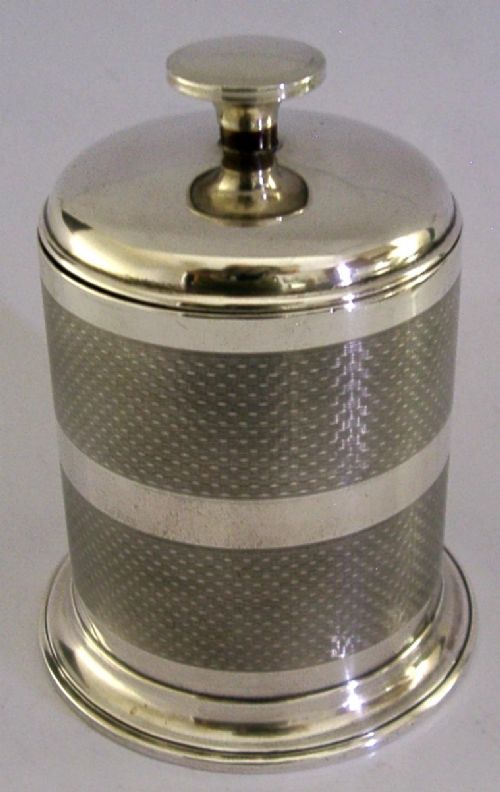
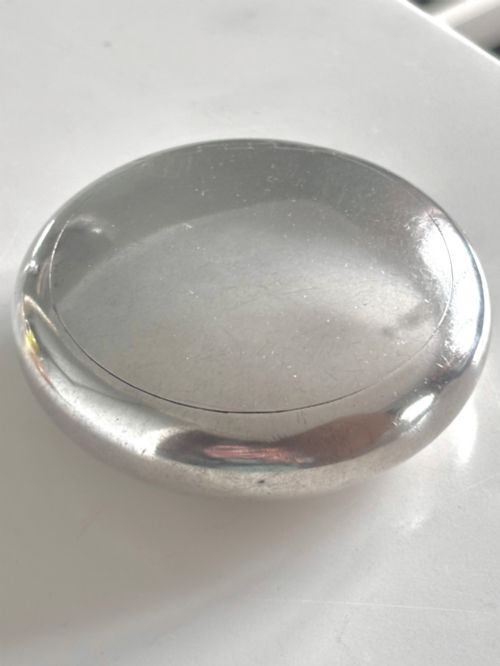
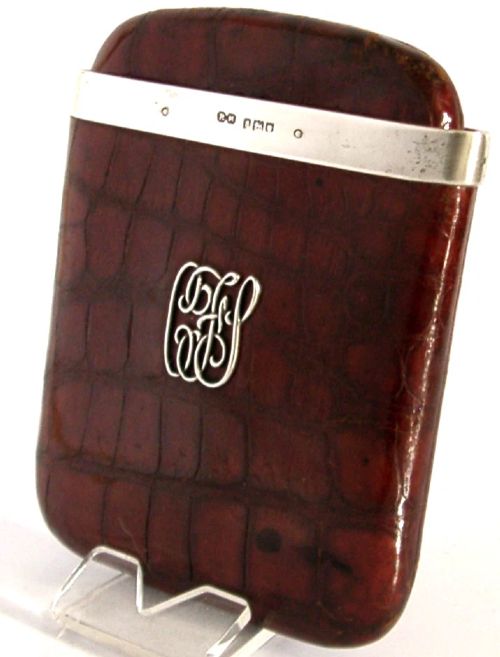
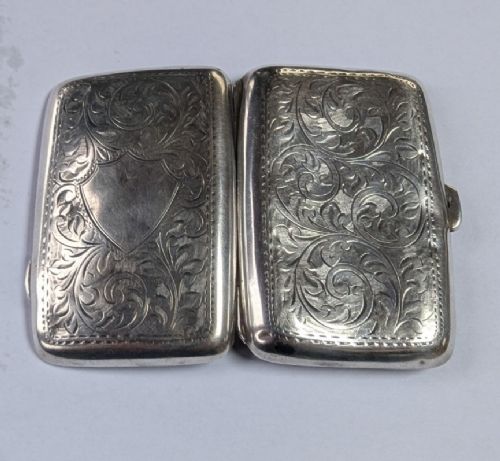
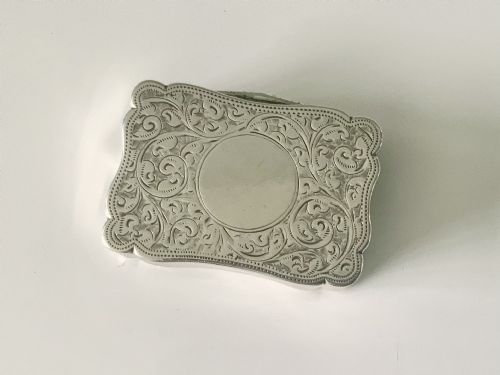
A vintage silver tobacco box encompasses pocket snuff boxes, desk humidors and slim cigarette cases from periods spanning the Georgian era to the mid-twentieth century. The version most commonly encountered on this page is the pocket-sized sterling silver or silver gilt box, often carrying hallmarks from English assay offices such as Birmingham and Sheffield.
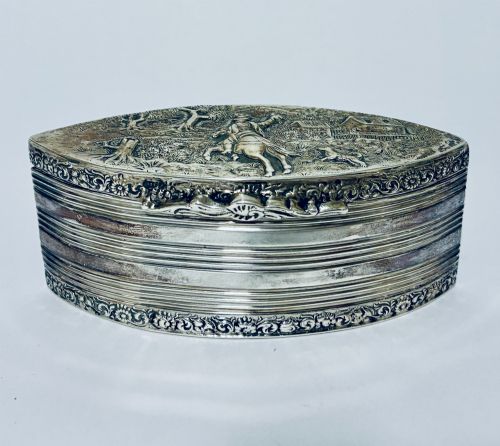
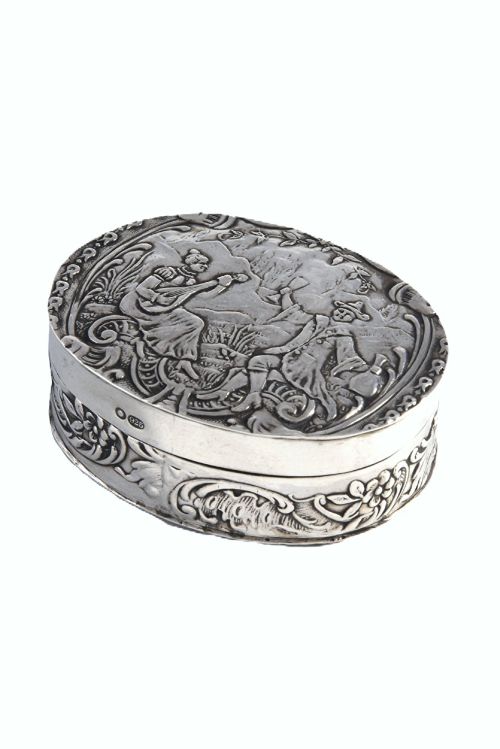
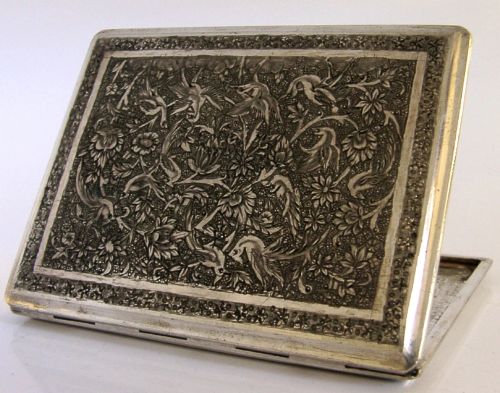
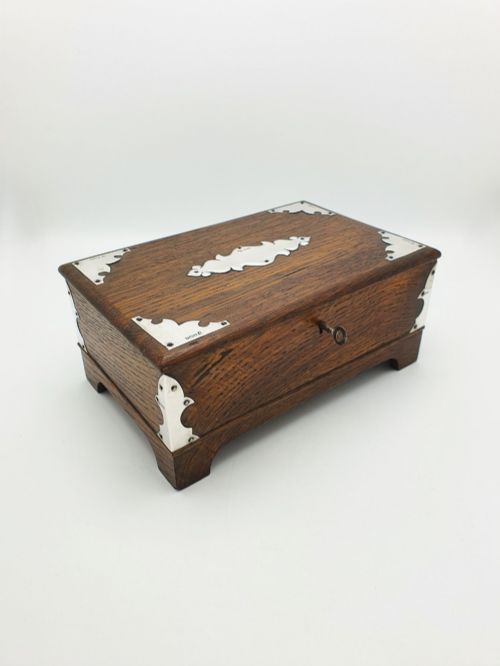
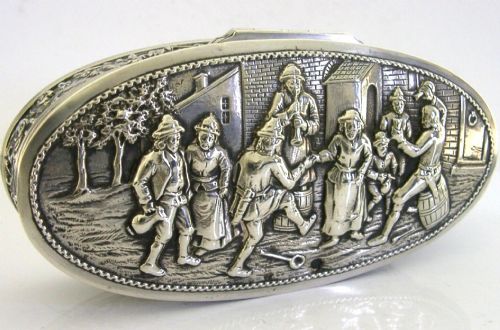
Makers fashioned these pieces not just for tobacco, but also for cigars and snuff, resulting in varied forms including rectangular pocket containers, cylindrical drum shapes and larger desk boxes mounted with wood or leather. Designs range from plain, functional utilitarian vessels to heavily embossed pieces adorned with floral scrolls, niello work or coin embellishments.
Geographic origins extend across British, European and Asian workshops, introducing regional techniques like French silver gilt, Dutch solid silver casting, Russian niello and Chinese enamel work. Buyers find both simple everyday containers and substantial presentation pieces designed for the gentleman's study or pocket.
Standards of Execution
Quality rests upon the crispness of the chasing and engraving, the weight of the silver, and the structural integrity of the hinge mechanism. Superior pieces display deep, sharp floral scrolls and tight closure without play in the lid pin.
The reputation of the workshop, indicated by clear maker's marks and town hallmarks, elevates a piece from a standard utility item to a collected work of metal art. Interior gilding that remains bright and unrubbed similarly distinguishes finer examples from heavily used counterparts.
Listings feature periods spanning the Georgian era, Victorian reign, Edwardian years, and Art Deco 1930s.
Mappin & Webb·A & J Zimmerman Ltd·Sampson Mordan·Joseph Wilmore·Edward Farrell·Nathaniel Mills
The Vintage Silver Tobacco Box Glossary
- Hallmark
- An official stamp applied to precious metals indicating the standard of purity, the assay office, and the date letter. These marks allow collectors to trace the exact year and origin of a piece.
- Silver Gilt
- Silver that has been coated with a thin layer of gold on its surface. This technique protected the interior metal from acidic tobacco and added a rich visual contrast.
- Niello
- A black metallic alloy used as an inlay on engraved metal surfaces. It creates stark, dark decorative patterns against bright silver.
- Humidor
- A moisture-controlled box designed to keep cigars or tobacco fresh. Antique versions frequently combined hardwoods like oak with interior metal linings.
- Assay Office
- An official body charged with testing the purity of precious metals and stamping them with hallmarks. Common English offices include London, Birmingham and Chester.
Vintage Silver Tobacco Box: Frequently Asked Questions
How were silver tobacco boxes used?
Owners carried pocket versions in waistcoats or jackets for daily access to tobacco, snuff, or cigarettes during the Georgian, Victorian, and Edwardian periods.
Larger variations remained on desks or smoking tables as part of a gentleman's smoking compendium alongside matching cigar cases and match safes.
How do I care for silver boxes?
Preserving silver boxes requires gentle cleaning with a soft microfiber cloth to remove dust and oils without wearing down crisp hand-engraved details or hallmarks.
Avoid abrasive chemical polishes, and keep wooden or leather-mounted combinations away from excessive moisture and direct sunlight to protect the organic materials.
How can I tell the age of a piece?
Dating relies on reading the assay office hallmarks, date letters, and maker's stamps struck directly into the silver surface.
Stylistic cues such as Art Deco geometric lines, Victorian floral scrolls, or Georgian hand-chased panels also help place a box within its historical period.