

Arts Crafts Silver
These arts crafts silver pieces unite hand-hammered metalwork with honest construction, offering collectors wearable enamel jewellery, decorative bowls and functional spoons from past decades.
Identifying Arts Crafts Silver
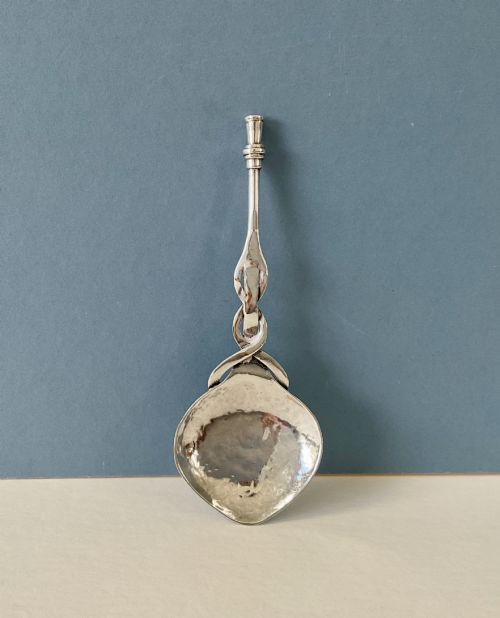
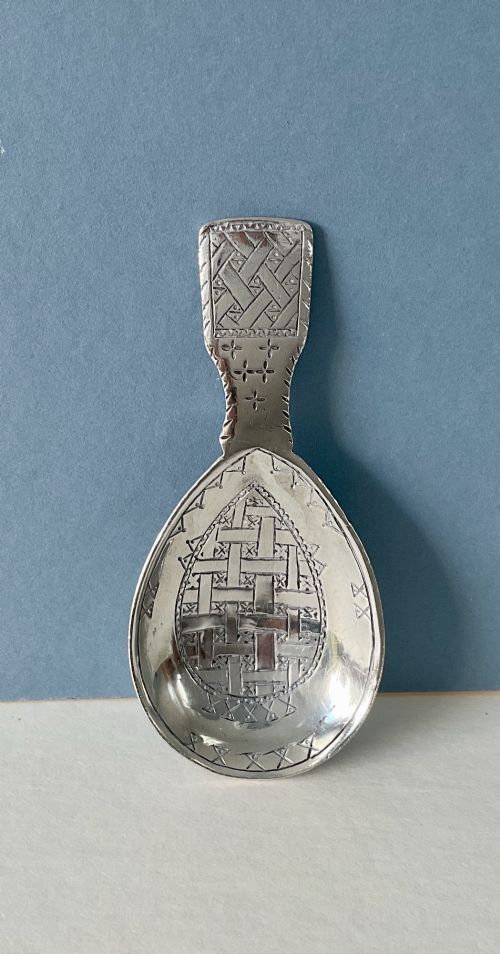
When buyers search for arts crafts silver, they look for handcrafted metalwork spanning the late nineteenth century through to the mid-twentieth century, including the Aesthetic Movement and later periods. The selection here brings together domestic silver objects like spoons, bowls, dishes and tureens alongside personal ornaments such as bracelets, pendants and earrings.
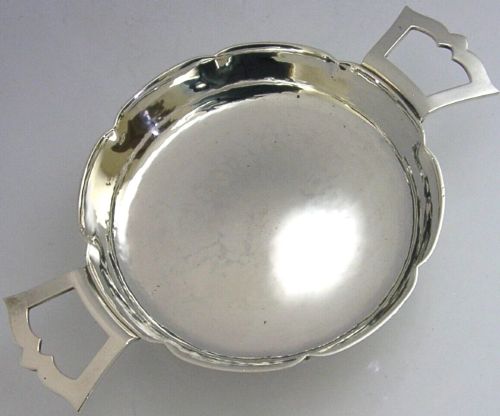
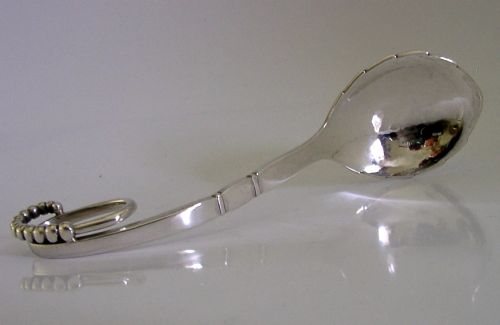
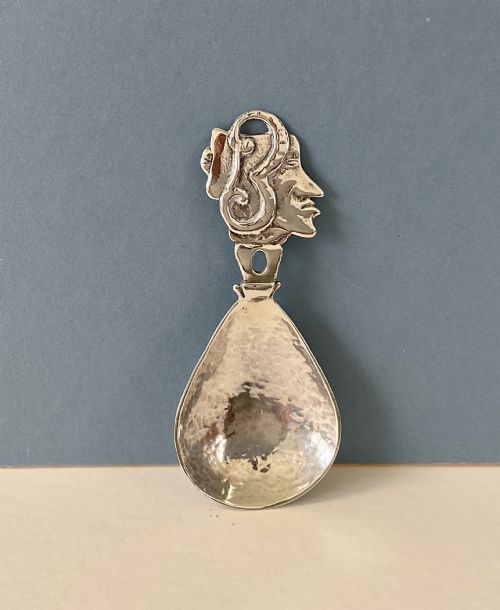
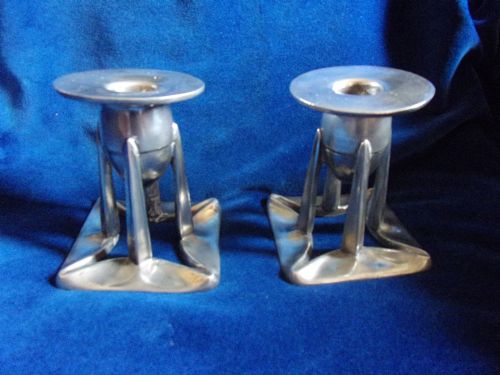
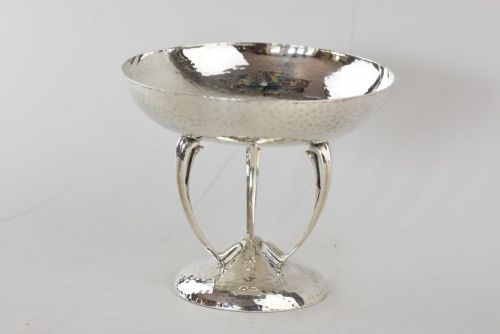
The objects most frequently met on this page include sterling silver spoons, tazzas, and bowls, alongside occasional silver plate items combined with ebonised wood. These pieces reflect the shift away from industrial mass production toward studio craftsmanship and traditional metalworking techniques.
Originating largely from British workshops and silversmiths, these items demonstrate regional stylistic variations, from Scottish Highland motifs to continental European designs and Scandinavian forms.
Materials and Craftsmanship
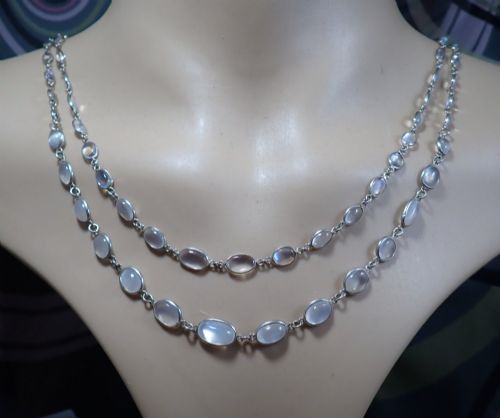
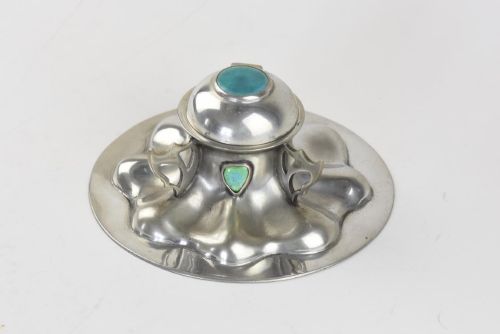
Makers utilised solid sterling silver, silver plate, and occasionally silvered brass and copper, frequently pairing the metal with natural cabochon gemstones like amethyst, moonstone, turquoise, opal, and enamel. Ebonised wood also appears as a contrasting material in serving pieces.
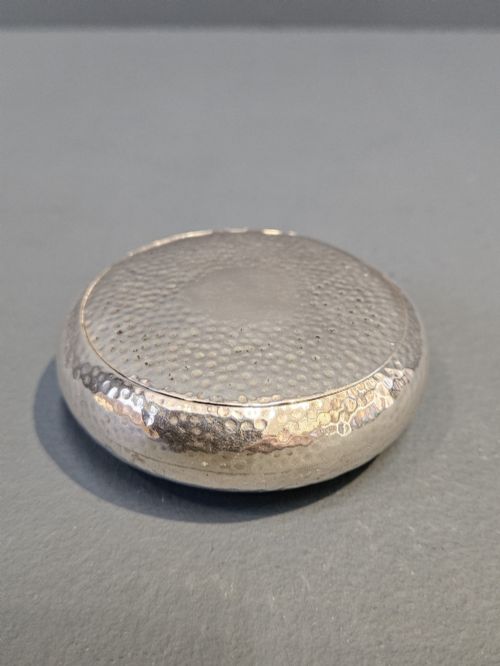
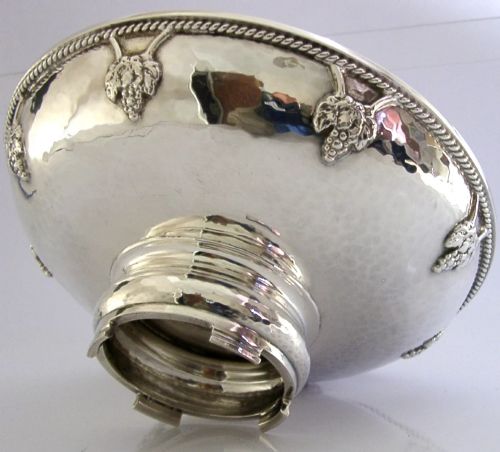
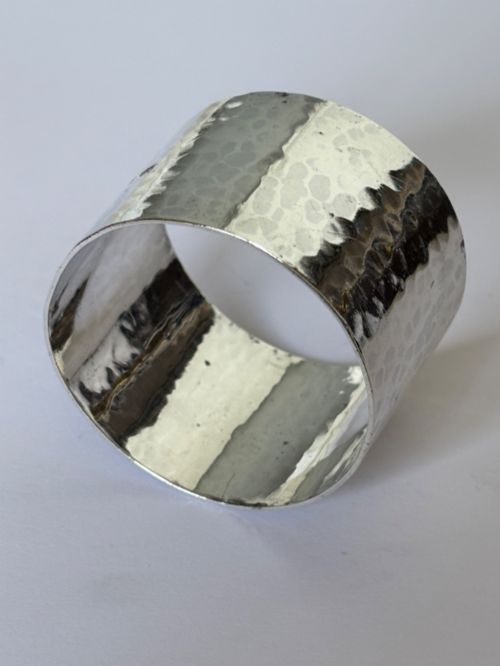
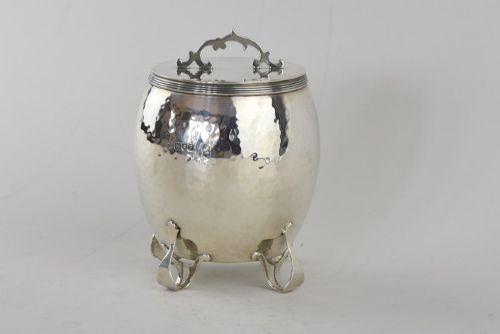
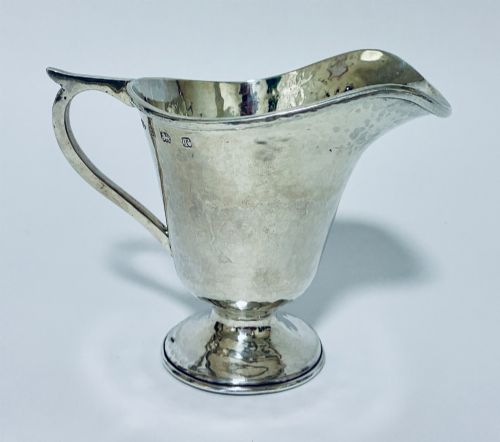
Silversmiths shaped these items using manual techniques, leaving visible tool marks on the surfaces. Planishing hammers created textured finishes, while decorative elements involved hand-set stones and vitreous enamel work.
Listings span periods from eighteen-eighty to nineteen-thirty-four, incorporating sterling silver, silver plate, and ebonised wood.
Assessing Quality and Design
The distinction between standard commercial output and the finest studio work rests on the clarity of the hand-hammered surface texture and the integration of decorative stones or enamel. Pieces by documented makers display a deliberate balance between structural form and ornament.
Proportion and weight dictate the standing of hollowware items like bowls, tureens and tazze, where metal gauge and structural integrity matter as much as surface decoration. Finer examples maintain crisp detailing in applied wirework and secure stone settings without excess adhesive.
Georg Jensen·Goldsmiths and Silversmiths Company·Hukin and Heath·Bernard Instone·Liberty and Co·Archibald Knox·Murrle Bennett·A E Jones·William Neale·Horton and Allday·Kate Allen·R E Stone·Guild of Handicrafts·Sybil Dunlop·Charles Horner
The Arts Crafts Silver Glossary
- Planishing
- The technique of hammering a metal surface with a small-faced hammer to smooth it while leaving subtle, rhythmic facets that catch the light. This process hardens the silver and shows the hand of the maker.
- Tazza
- A small, stemmed ornamental cup or shallow bowl raised on a foot, used for serving food or display. These objects highlight the sculptural ambitions of period silversmiths.
- Quaich
- A traditional Scottish two-handled drinking vessel, often adapted by period silversmiths into low, circular bowls with flat lugs. They combine simple domestic utility with distinctive regional form.
- Vitreous Enamel
- A material made by fusing powdered glass to a metallic substrate through firing, creating glossy, coloured decorations. It appears frequently in pendants, brooches and spoons from this movement.
- Sterling Silver
- An alloy of silver containing ninety-two point five percent silver and seven point five percent other metals, usually copper, chosen for durability in tableware and jewellery.
Frequently Asked Questions
How do I clean antique silver?
Clean sterling silver items gently using a soft cloth and a specialised silver polish, avoiding abrasive pads that destroy original surface textures.
Take care around enamel panels and set stones, keeping moisture away from stone settings and wooden components.
Can I wear vintage silver enamel jewellery daily?
Enamel jewellery survives regular wear when handled with care, but it remains susceptible to impact fractures and harsh chemicals.
Remove rings, bracelets and pendants before swimming, bathing, or engaging in physical tasks to protect the glasswork.
What defines the Aesthetic Movement style?
The Aesthetic Movement prioritised visual beauty over narrative meaning, incorporating clean lines and Japanese-inspired motifs into metalwork.
Objects from this design shift often feature minimalist forms alongside contrasting materials like ebonised wood.
How do I identify a silversmith mark?
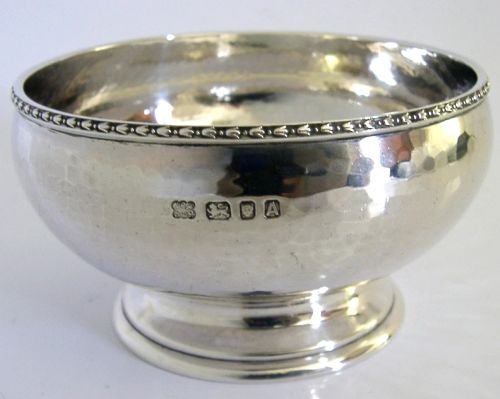
Makers stamp their initials or company symbols into the metal alongside assay office symbols and date letters.
Consulting hallmark reference guides helps connect these stamped initials to specific workshops and production years.