


British Silver
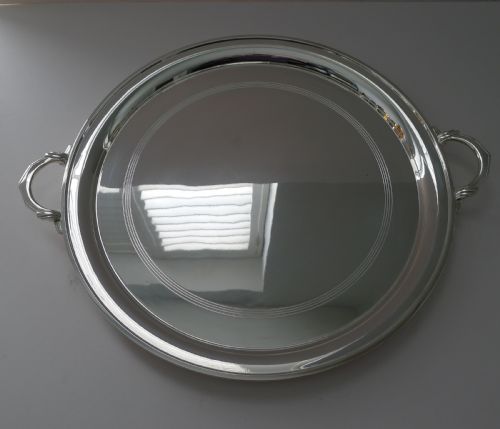
British antique silver unites centuries of domestic craft, ranging from Georgian and Victorian spoons to Art Deco cocktail trays and Edwardian baskets.
British Silver
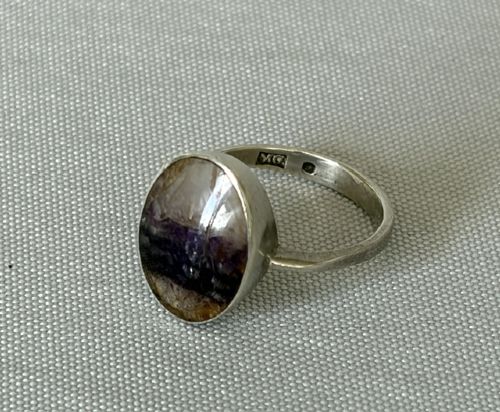
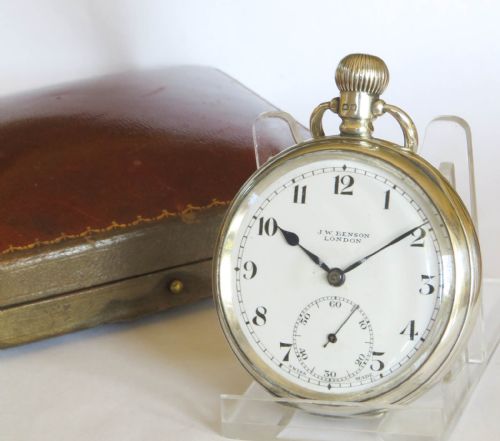
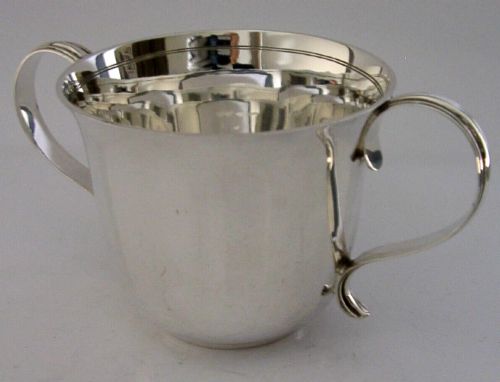
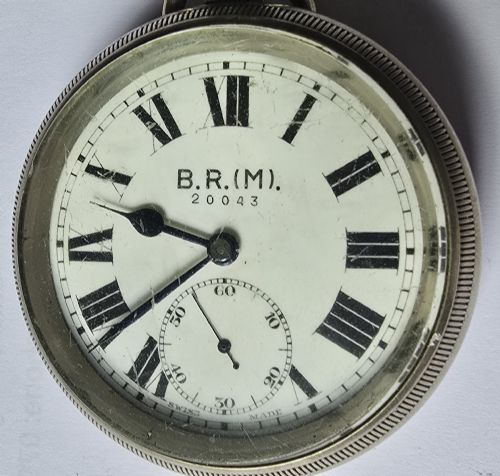
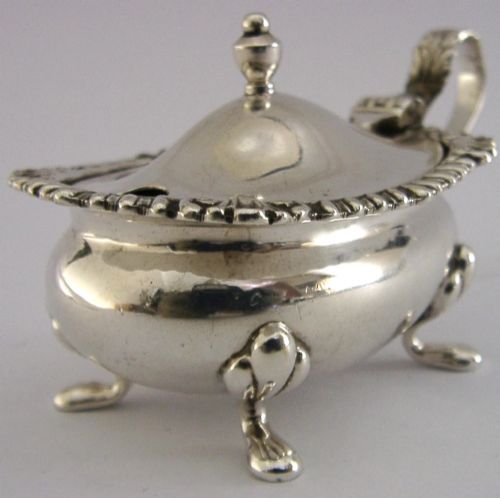
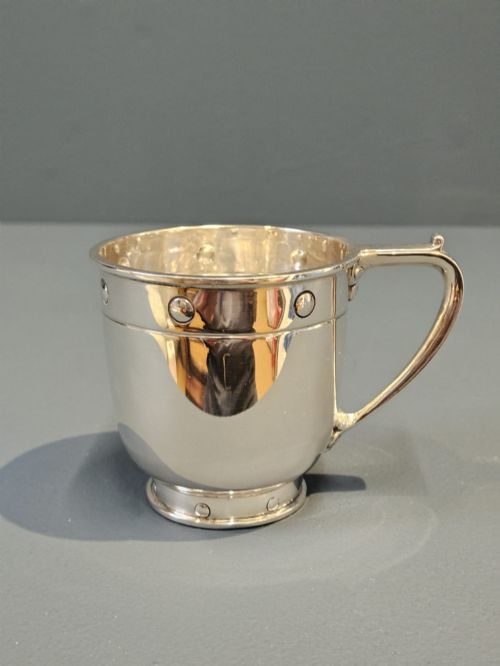
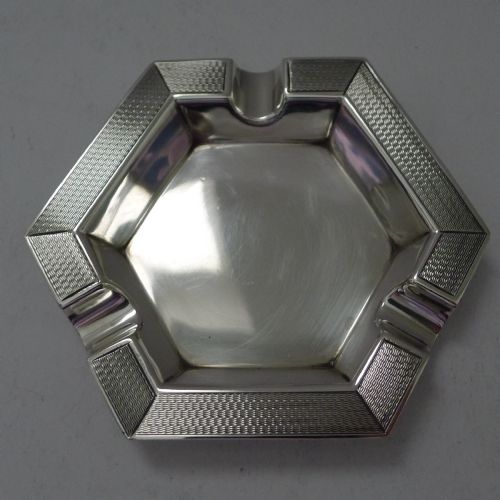
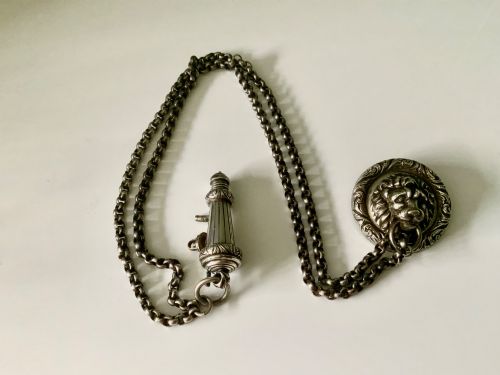
British antique silver comprises functional and decorative metalwork spanning the Victorian, Edwardian, and twentieth-century periods. When looking for british antique silver, buyers encounter items ranging from napkin rings and pocket watches to caddy spoons, ashtrays, sugar castors, and bowls.
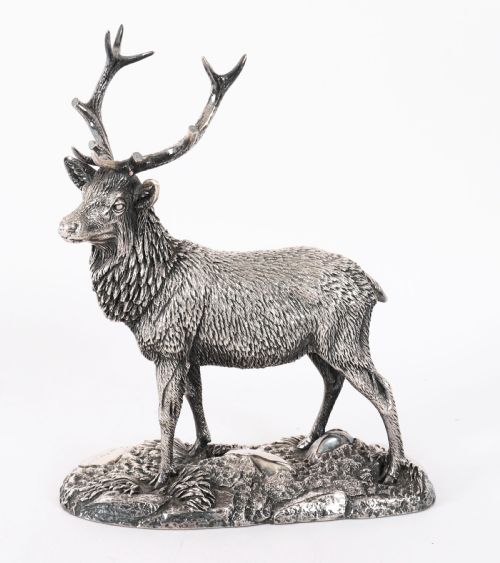
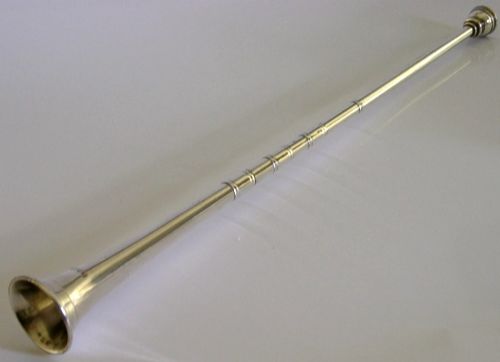
The selection on this page draws heavily from early twentieth-century decades like the 1920s and 1930s, alongside Victorian and Edwardian examples. Pieces vary from utilitarian objects like knife rests and photograph frames to decorative sculptures, brooches, and hunting horns.
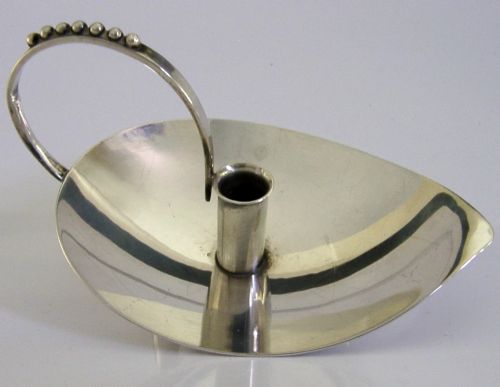
Makers and designers working across London, Birmingham, and Sheffield produced these domestic silver forms. The variety includes items shaped by the Arts and Crafts movement as well as streamlined Art Deco cocktail accessories.
Materials and technique
Sterling silver forms the primary material across the items, frequently supplemented by components of glass, enamel, wood, gold, and nickel. Silversmiths utilised hammering techniques, visible on Arts and Crafts pieces, alongside cast and chased ornamentation.
Makers applied hallmarks to sterling silver objects to indicate standard purity, origin city, and date of manufacture. Additional decorative treatments such as blue glass liners and polychrome enamel work appear across mustard pots, vesta cases, and brooches.
A carrier pigeon won a silver jubilee race before its portrait ended up preserved alongside household tea caddy spoons and hunting horns.
What varies in quality
Quality in british antique silver rests on the weight of the metal, the crispness of the chasing, and the reputation of the maker or retailer. Substantial gauge silver and heavier grams denote sturdier domestic objects, whereas thin gauge metal feels lighter in the hand.
The precision of enamelling, the integrity of fitted glass inserts, and distinct hallmark stamps elevate individual pieces. Designer association, such as work by Keith Murray or Sampson Mordan, separates standard production items from distinguished workshop output.
J W Benson·Mappin & Webb·Tom Mackie·Barker Bros·Sampson Mordan·Aaron Lufkin Dennison·A H Darby & Son·William Neale·R E Stone·Goldsmiths and Silversmiths Company
The British Silver Glossary
- Sterling silver
- An alloy consisting of 92.5 percent silver by mass, with the remainder composed of other metals like copper. This standard metal mixture appears across the majority of British domestic items.
- Hallmark
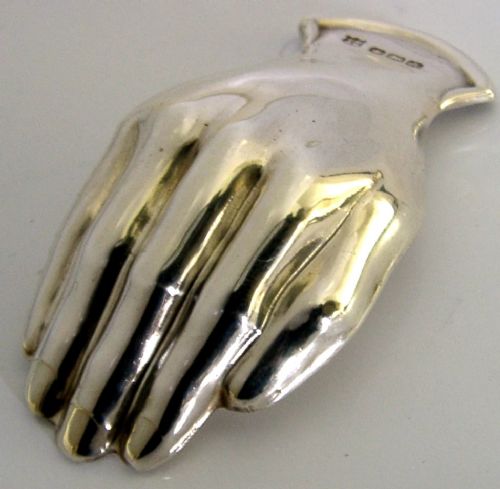
- An official stamp applied to precious metals indicating the standard of purity, the assay office, and the year of manufacture. These marks allow collectors to date pieces accurately.
- Caddy spoon
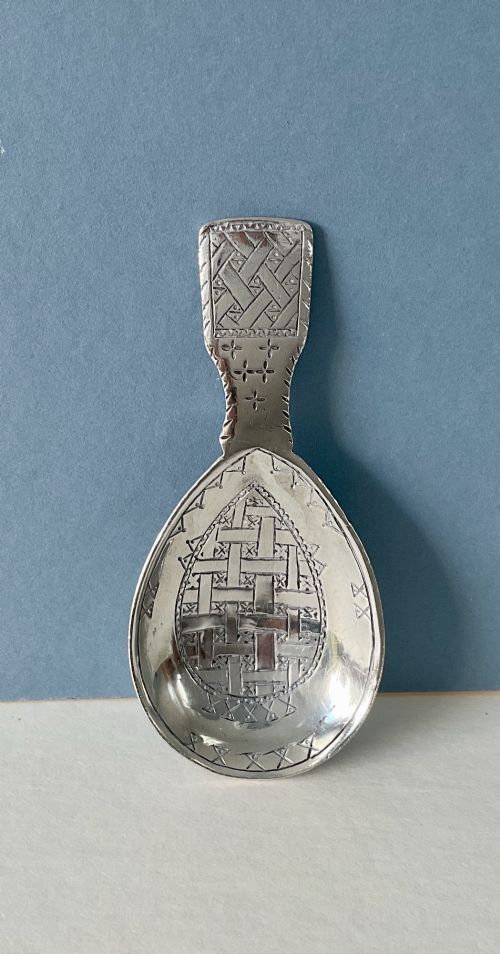
- A short-handled spoon specifically designed for measuring loose tea leaves from a caddy. These small functional items often feature novelty shapes.
- Tazza
- An ornate pedestal plate or shallow bowl raised on a foot, used for serving food or display. Arts and Crafts examples often show hand-hammered surfaces.
- Vesta case
- A small pocket container designed to hold matches, typically featuring a striking surface on the base. Enamel and engraved decoration frequently adorn the exterior.
British Silver: Frequently Asked Questions
How do I identify a sterling silver hallmark?
British sterling silver typically bears a lion passant mark indicating the 925 standard of purity. Additional symbols show the assay office city and a date letter corresponding to the year of assay.
Examining these stamped impressions with a magnifying glass helps determine the exact period of manufacture and the town where the maker registered.
What is the difference between silver plate and sterling silver?
Sterling silver contains a solid, regulated proportion of pure silver throughout the object. Silver plate involves a thin layer of silver bonded to a base metal core, such as copper or nickel.
Over decades of use, plated items can show wear where the base metal beneath becomes visible, while solid silver maintains its composition through the metal depth.
How should I clean antique silver items?
Cleaning requires a soft cloth and a gentle silver polish formulated to remove tarnish without stripping away fine detail or chasing. Harsh abrasive cleaners should be avoided because they scratch the surface metal and wear down hallmarks.
Storing pieces in dry conditions away from direct sunlight and humidity helps slow down the natural tarnishing process of the metal.
Can I use antique silver for daily dining?
Many items like spoons, napkin rings, and bowls were made precisely for regular household use. Hand washing them promptly after use prevents acidic foods from pitting the metal surface.
Dishwashers should be avoided entirely, as high heat and harsh detergents can damage organic components like enamel, wood, or glass liners.