

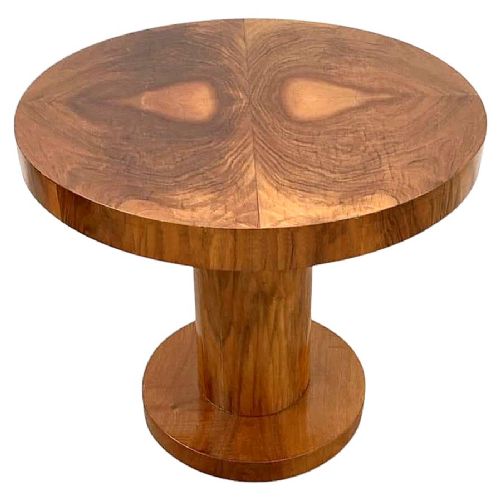
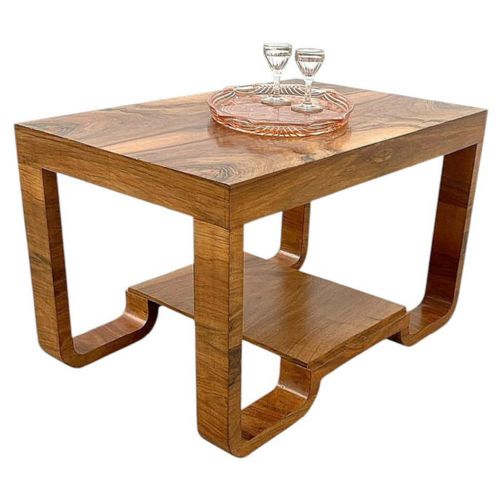
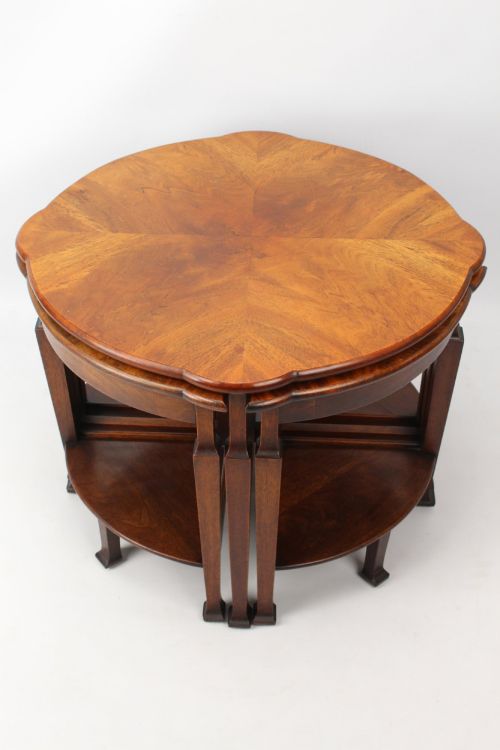
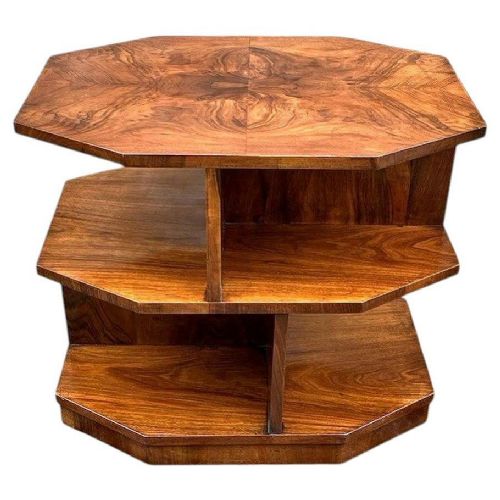
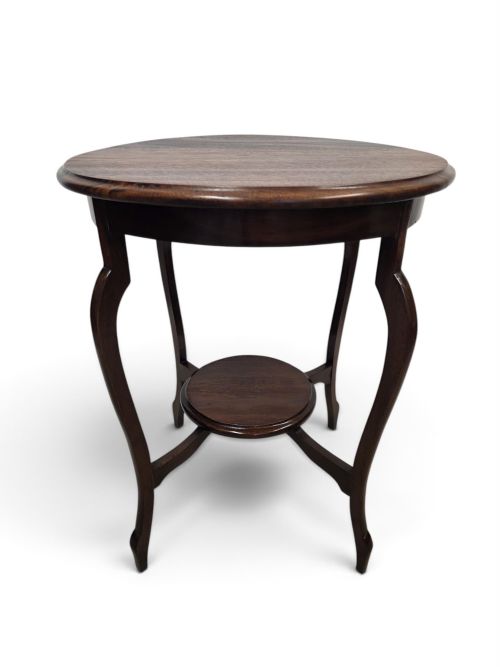
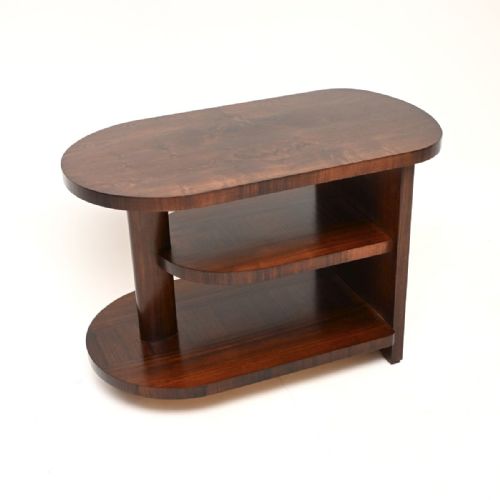
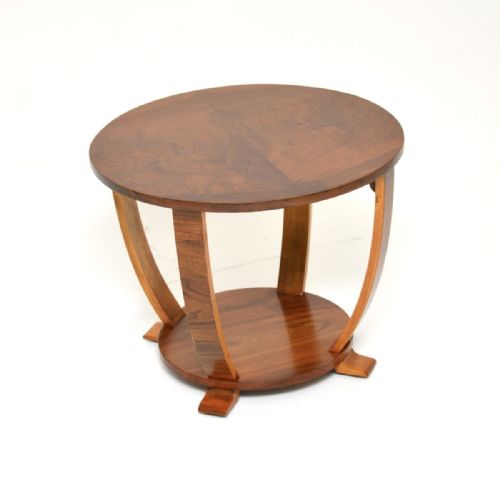
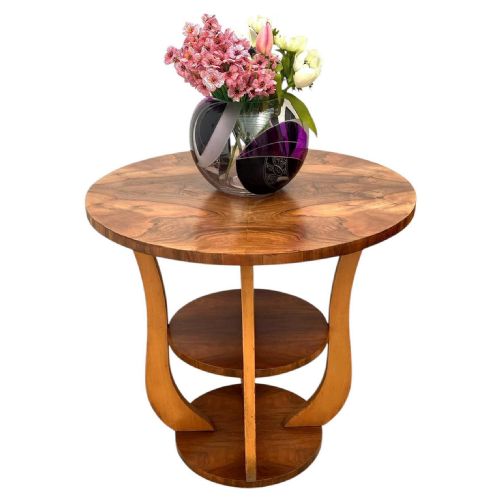
1930s Occasional Table
A 1930s occasional table brings practical surface space and distinct period character into a modern room.
1930s Occasional Table
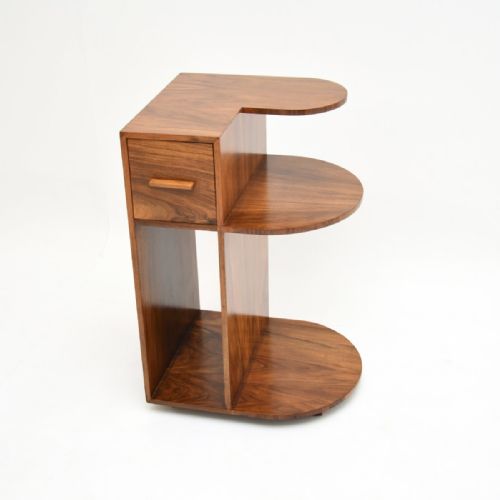
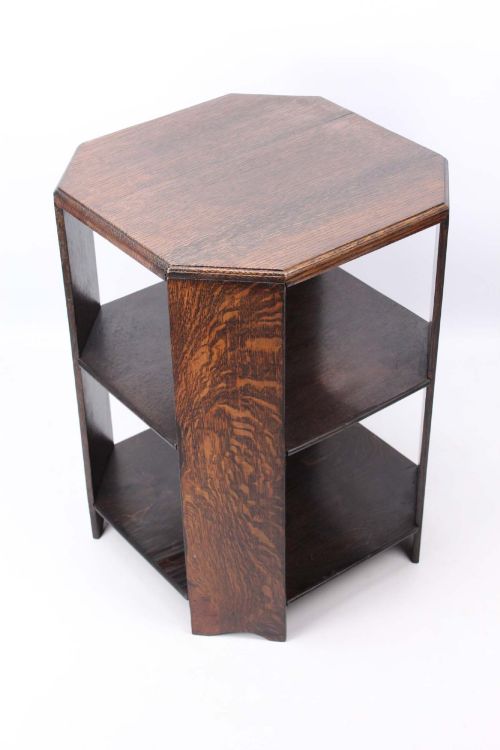
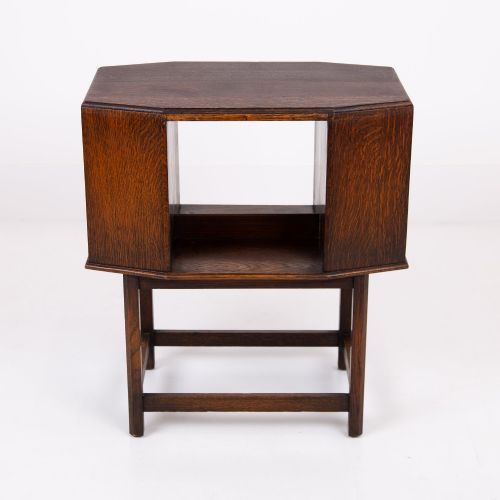
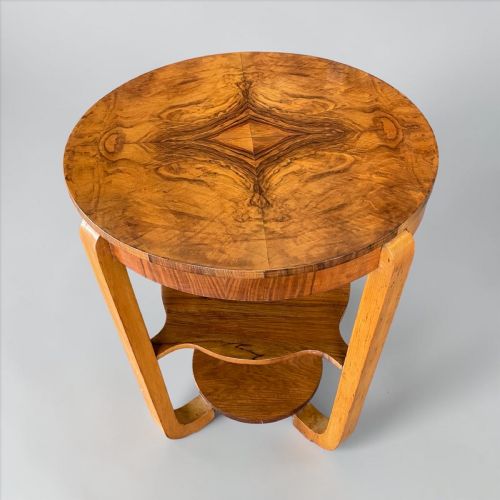
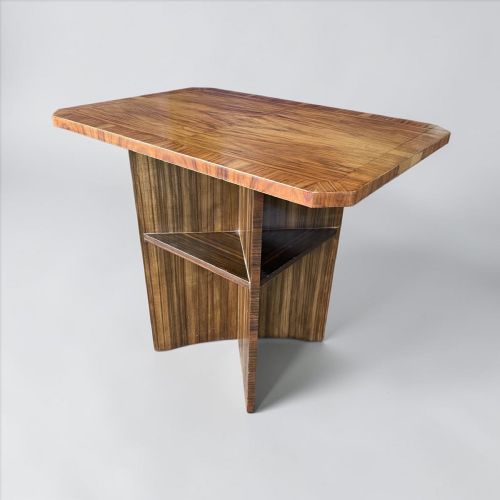
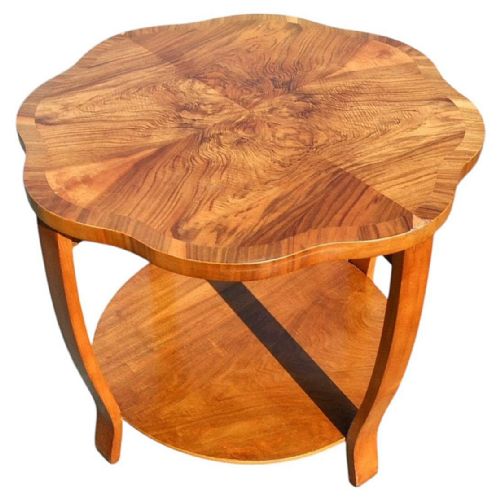
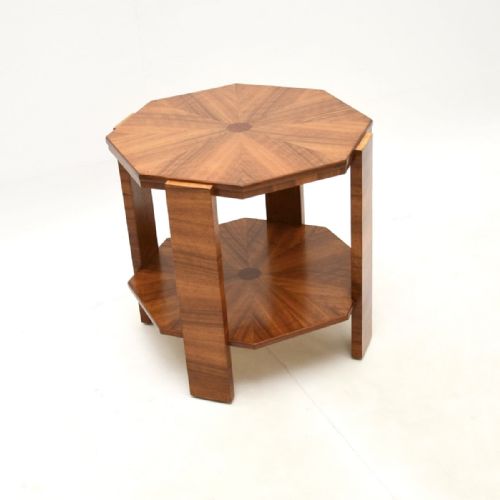
A 1930s occasional table encompasses compact side tables, coffee tables, multi-tiered surfaces, and nesting sets designed for flexible use in the home. Most examples encountered here align with the Art Deco style, alongside expressions of Jacobean Revival, Arts and Crafts, and Industrial design.
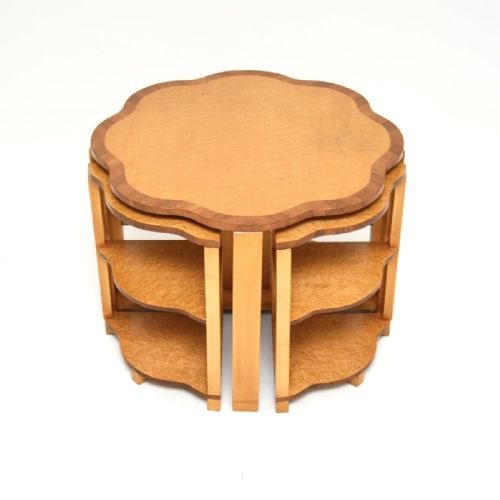
The form appears in various configurations, including two-tier designs, book tables, octagonal formats, and nests of tables. Walnut, oak, and diverse veneers dominate the selection, providing functional surfaces that also serve as decorative focal points.
How they were made
Cabinetmakers utilised solid timbers alongside decorative veneers such as figured walnut, burr walnut, birds eye maple, and karelian birch to create striking surface patterns. Wood was frequently combined with glass, chrome, and mirrored tops to achieve the characteristic modernist aesthetic of the period.
Construction techniques prioritised clean geometric lines and tiered structures, whether through traditional cabinet joinery or tubular metal framing. Surfaces were polished to highlight the natural grain and colour variations of the timber.
1930s Occasional Table Retail Price Guide 2026
Typical asking prices for 1930s occasional table among the pieces listed under this phrase on Sellingantiques today, from the lower quarter to the upper quarter. They describe what is for sale here now, not the wider market.
One exceptional model on record was designed by an architect who also created theatre interiors and military camouflage.
What varies in quality
The standard of a 1930s occasional table rests upon the choice of timber and the skill with which veneers are matched across the top surface. Superior examples demonstrate thoughtful grain selection, harmonious wood pairing, and robust internal construction that endures through decades of use.
Execution of detail also separates standard production from exceptional work, visible in the precision of edge banding, the integration of secondary materials like chrome or glass, and the overall balance of proportion in multi-tiered or nesting formats.
Heals·Harry and Lou Epstein·Hubert Simpson of Kendal·Oliver Percy Bernard
The 1930s Occasional Table Glossary
- Veneer
- A thin layer of figured wood applied over a stable secondary timber to create decorative surface patterns. This technique allowed makers to utilise expensive or highly marked grains economically.
- Art Deco
- A design style spanning the interwar period characterised by sleek geometric shapes, stylised motifs, and modern industrial materials. It remains the dominant aesthetic found across these tables.
- Nesting tables
- A set of graduated tables designed to fit neatly beneath one another to save floor space when not in use. They appear frequently in configurations ranging from three to five pieces.
- Tiered table
- A piece featuring multiple levels supported by columns or uprights, offering additional display or storage surface area without increasing the overall footprint.
1930s Occasional Table: Frequently Asked Questions
Where should I place an occasional table?
These tables suit placement beside seating areas, in hallways, or as central display surfaces in a living room. Their compact proportions allow them to fit easily into smaller spaces.
Nesting versions offer particular flexibility, as the smaller tables can be drawn out when needed for entertaining and stored away afterwards.
How do I identify a 1930s piece?
Look for characteristic design markers such as geometric silhouettes, waterfall edges, and the use of contrasting veneers like walnut and maple. Materials such as chrome and mirrored glass also point directly to the interwar period.
Construction methods and timber choices generally align with the cabinetmaking standards typical of the 1930s.
Are these tables practical for daily use?
Most designs serve well for everyday functions like holding books, lamps, or cups, provided the surface finish is treated with reasonable care. Solid wood and sturdy veneer construction make them durable household furnishings.
Care should be taken with mirrored or glass tops to avoid impact damage during regular use.