



Antique Low Tea Table
An antique low tea table brings intimate proportion and rich timber grain to a modern sitting room.
Antique Low Tea Table
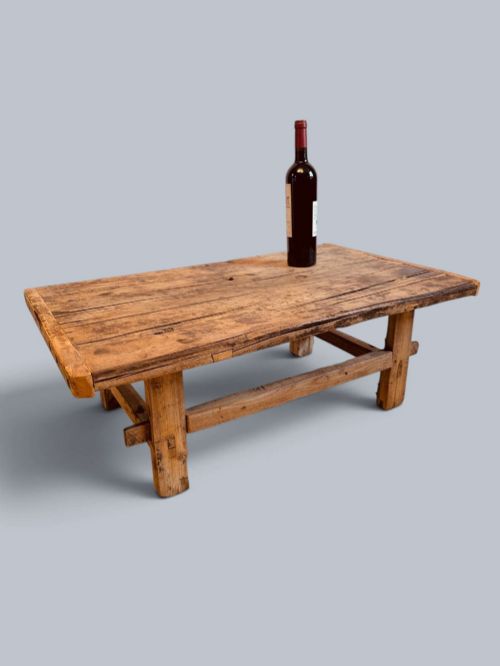
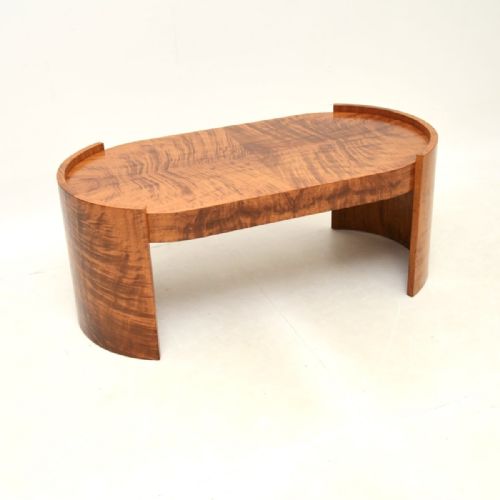
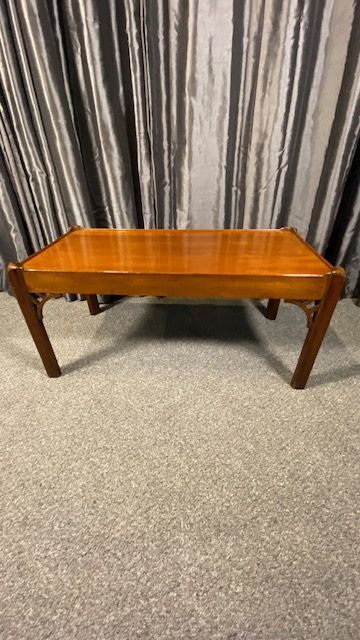
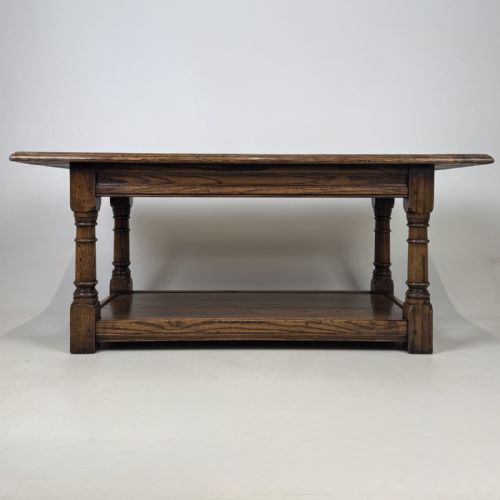
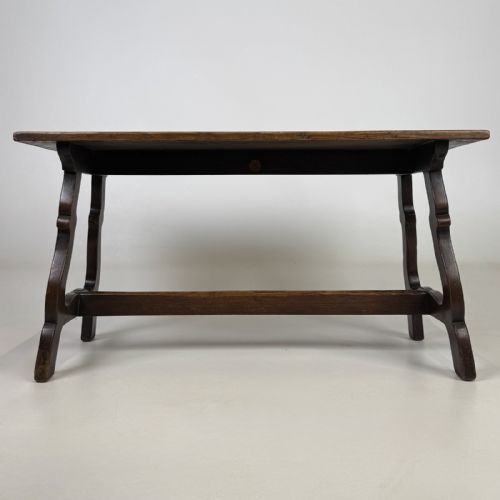
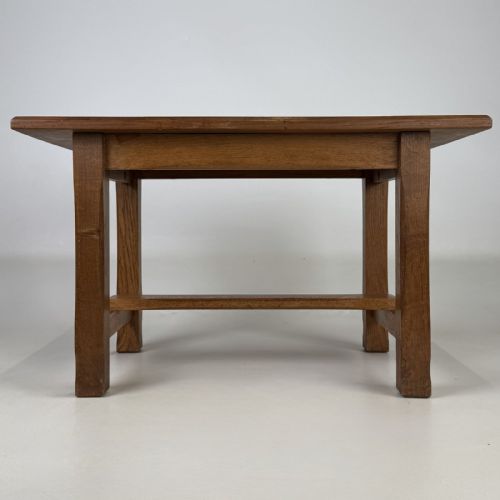
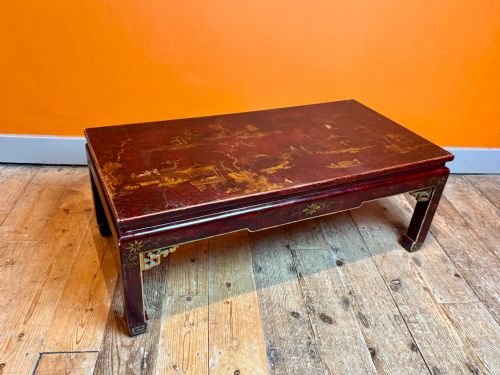
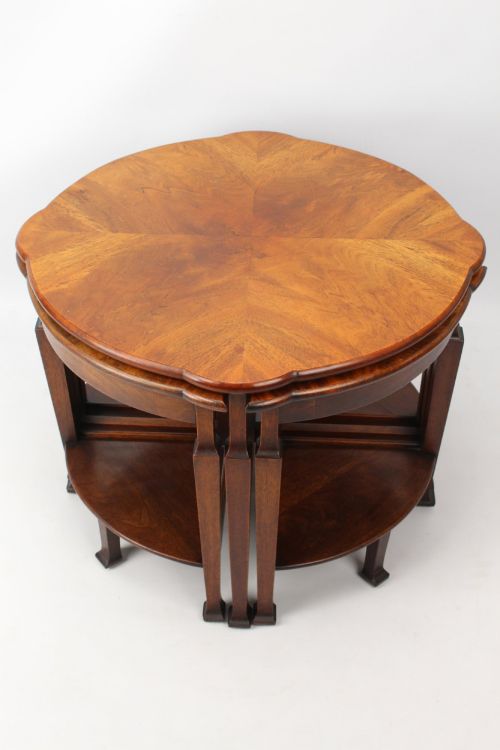
An antique low tea table bridges historical dining customs and contemporary living spaces by offering a surface scaled closer to the floor than standard furniture. When searching this phrase, buyers encounter forms ranging from nineteenth-century walnut and mahogany coffee tables to carved hardwood oriental tea tables and occasional designs. These pieces often originate from Victorian, Edwardian, and later twentieth-century workshops, encompassing styles from plain rustic farmhouse tables to ornate Chinoiserie and French marquetry.
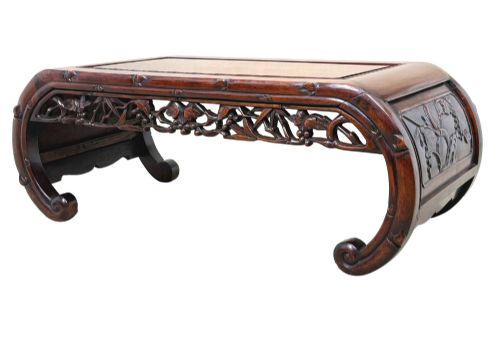
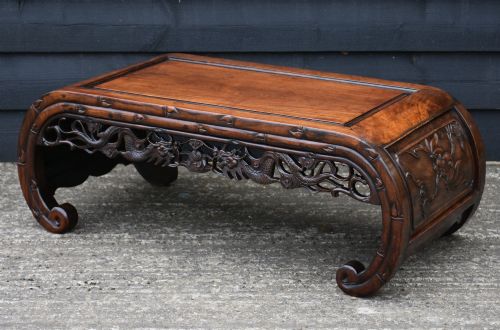
The selection frequently includes examples adapted over time alongside tables made specifically with low profiles, such as Chinese opium tables and Indian brass trays on folding bases. Walnut and burr walnut dominate the refined end of the selection, while oak, pine, and chestnut appear in domestic farmhouse and rustic country iterations. Side tables, occasional tables, and lowboys originally built for other domestic duties now function primarily as coffee tables in modern homes.
How they were made
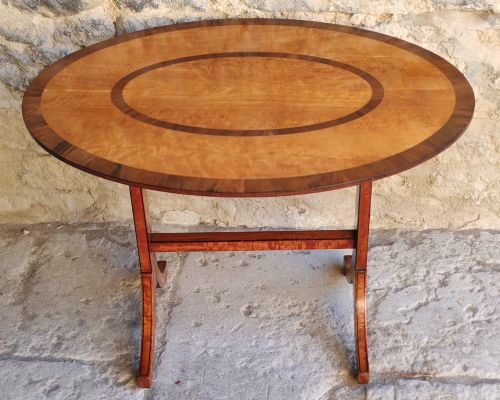
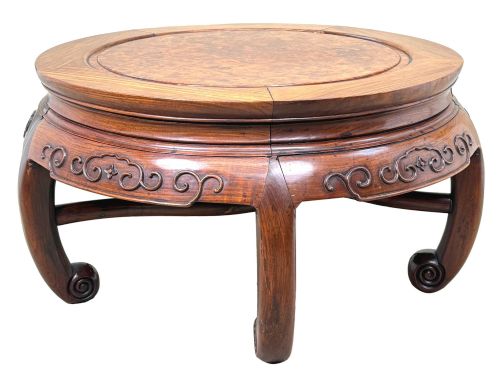
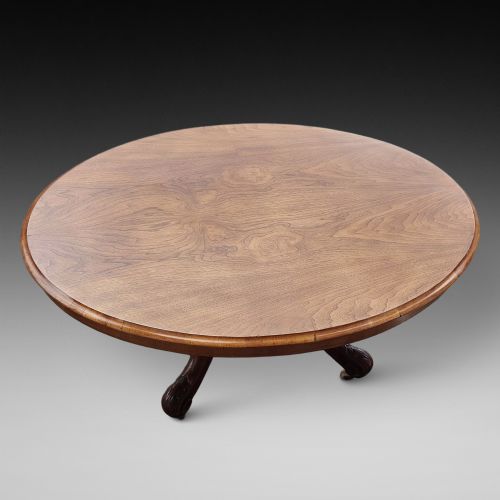
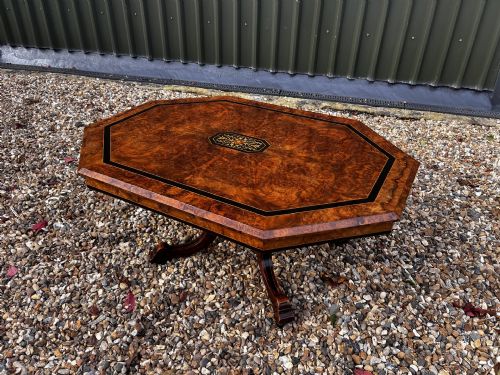
Cabinetmakers constructed these tables using a variety of dense hardwoods and softwoods, notably mahogany, walnut, oak, rosewood, and padouk. Finer examples display intricate parquetry, marquetry, and inlaid brass or exotic timbers, while others rely on carved dragon details, turned legs, or pie crust edges to create visual interest. French polishing and traditional wax finishes protected the timber surfaces while accentuating natural grain figures like burr walnut and yew.
Structural joinery relied on traditional techniques suited to the period, with sturdy frames supporting marble, wood, or brass tray tops. Many oriental and folding examples utilised pegged or hinged joints designed for portability or compact storage. The integration of materials such as inset marble slabs or hand-beaten brass demonstrates the eclectic influences absorbed by British and continental workshops during the Victorian and Edwardian eras.
Antique Low Tea Table Retail Price Guide 2026
Typical asking prices for low tea table among the pieces listed under this phrase on Sellingantiques today, from the lower quarter to the upper quarter. They describe what is for sale here now, not the wider market.
Several tables retain dragon details carved by distant hands, watching silently over modern coffee cups.
What varies in quality
Quality in an antique low tea table is determined by the selection of timber, the crispness of carved or inlaid detail, and the integrity of the original construction. Superior pieces utilise highly figured burr walnut, rich rosewood, or finely matched veneers rather than plain secondary timbers. The presence of hand-carved ornamentation, such as deep floral motifs or dragon carvings, distinguishes bespoke workshop production from simpler utility furniture.
Proportion and balance also separate standard items from exceptional survivals. Tables with harmonious dimensions, well-executed turned or cabriole legs, and tight, stable joinery represent the top tier of craftsmanship. Alterations to height or surface finish alter the original character, whereas pieces retaining their authentic surface patination and structural cohesion command greater appreciation.
Holland & Sons Of London·Gillows
The Antique Low Tea Table Glossary
- Burr walnut
- A veneer taken from the knotted growth of a walnut tree, prized for its swirling, highly decorative grain patterns. It frequently appears on elite Victorian and Edwardian tables.
- Marquetry
- The art of applying pieces of veneer to a structure to form decorative patterns and pictures. Craftsmen used various tinted woods to create elaborate floral or geometric table tops.
- Opium table
- A low wooden table originating from China, traditionally used for resting while reclining. These pieces feature simple frames or carved apron details in rosewood or padouk.
- Tray top
- A table surface featuring a raised moulded edge designed to prevent items from sliding off. This form often relates to French or Anglo-Indian export pieces meant for serving.
- Parquetry
- A geometric mosaic of wood pieces used for decorative floors and table tops. It relies on contrasting timber tones to create angular, repeating patterns.
Antique Low Tea Table: Frequently Asked Questions
What is an antique low tea table?
An antique low tea table is a short surface originally used for serving beverages or repurposed from historical dining, occasional, and oriental forms. These pieces now serve predominantly as coffee tables in contemporary sitting rooms.
They encompass a wide variety of regional styles, ranging from British mahogany and walnut designs to carved Chinese rosewood and Indian brass-topped tables.
How do I style a low tea table?
Pairing a low antique table with contemporary seating creates a striking contrast in height and texture. Keep surfaces uncluttered to allow the timber grain or inlaid decoration to remain visible.
Consider the surrounding room proportions so that the table acts as a focal point without obstructing movement. Placing books, ceramics, or small trays on the surface enhances its practical function.
What woods were used for these tables?
Cabinetmakers utilised a broad spectrum of native and exotic timbers depending on the period and origin. Walnut, mahogany, and oak appear frequently in British and European pieces.
More specialised or export tables incorporate dense hardwoods such as rosewood, padouk, teak, and yew. Inlaid surfaces often feature contrasting decorative veneers and brass elements.
Are these tables sturdy enough for daily use?
Most antique low tea tables possess robust traditional joinery designed to withstand daily domestic demands. Solid hardwood frames and sturdy turned legs provide reliable structural support.
Care should be taken with delicate inlaid surfaces, marble tops, or antique finishes by using coasters and avoiding excessive moisture. Regular gentle waxing helps preserve the timber against everyday wear.
How can I tell the period of a table?
Dating relies on observing stylistic markers, timber choices, and construction methods associated with specific eras like the Victorian or Edwardian periods. Architectural details, leg styles such as cabriole or turned supports, and specific types of inlay offer clues to the decade of manufacture.
Comparing the piece against documented examples helps confirm whether a table belongs to the nineteenth or early twentieth century.