


Tiered Coffee Table
A tiered coffee table brings multi-level surface space to a room, most often found in walnut from the Art Deco period.
Tiered Coffee Table
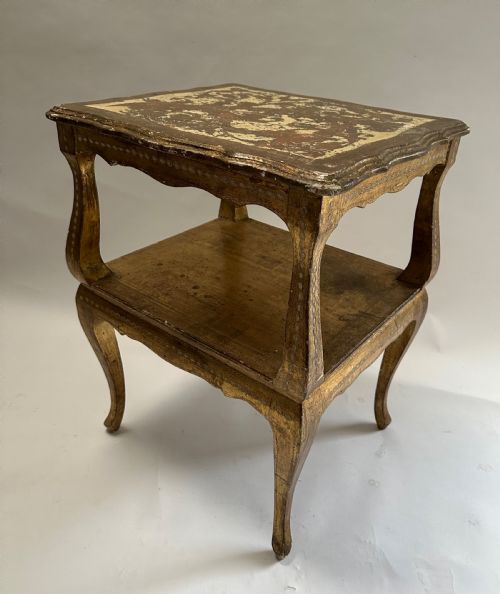
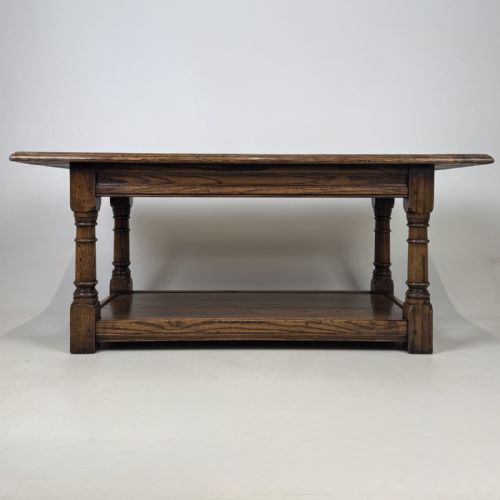
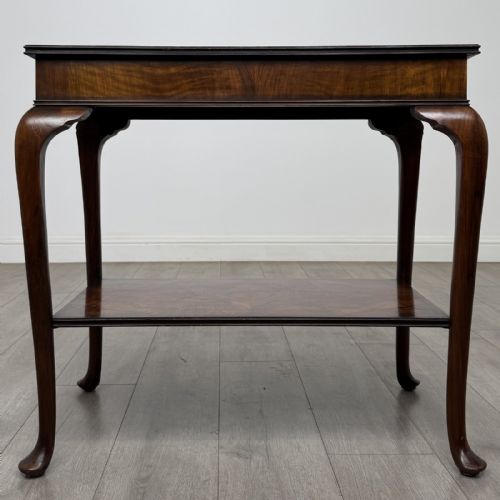
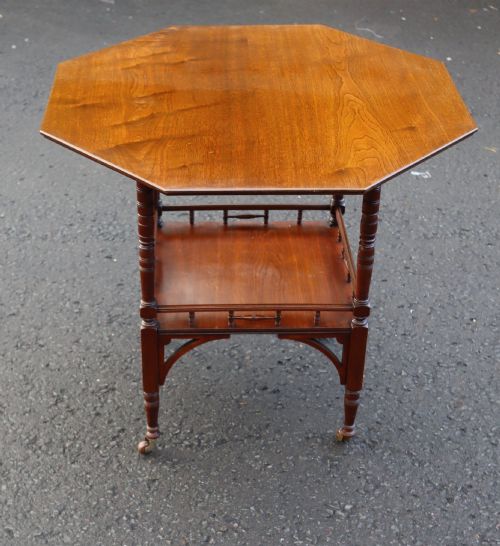
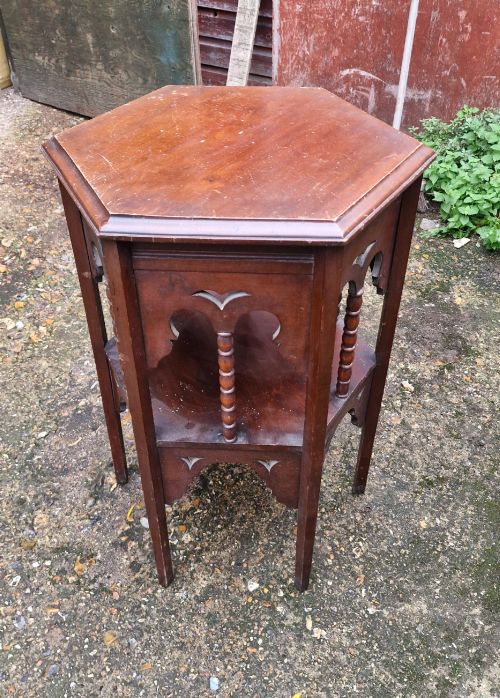
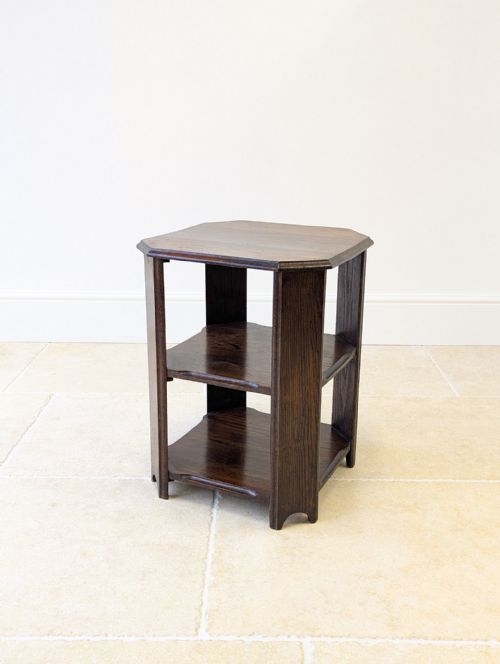
A tiered coffee table provides extra levels for display and storage within a domestic setting. These tables appear in various forms, from simple occasional pieces to multi-tier designs.
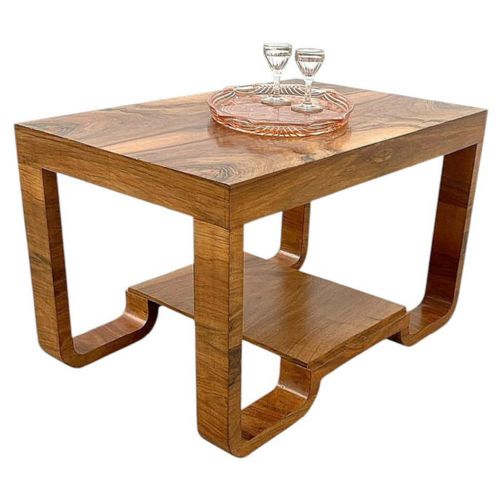
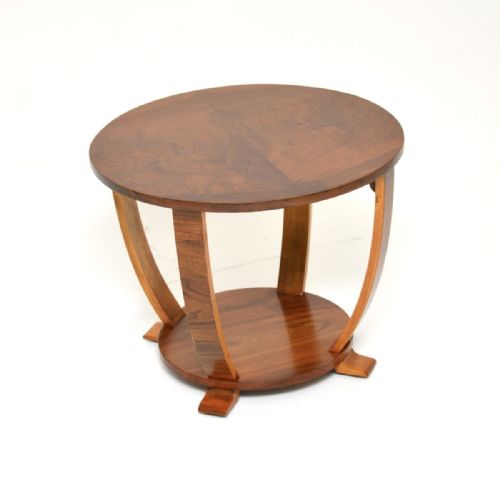
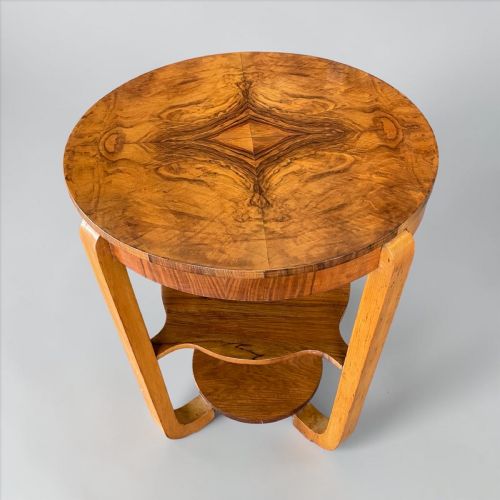
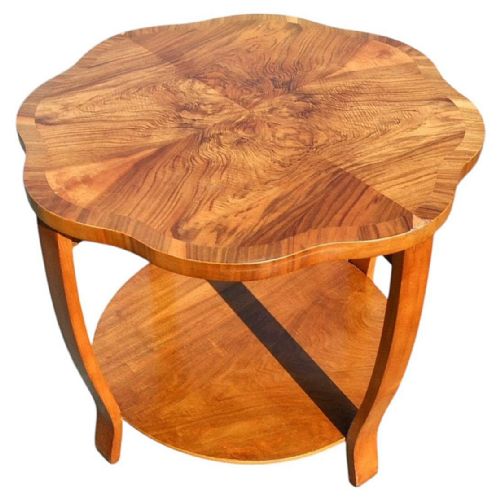
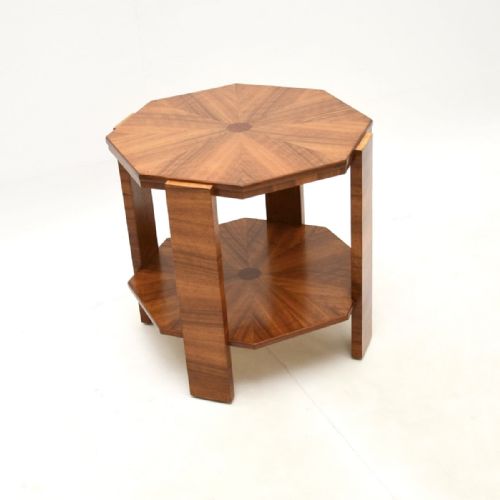
The version most likely to meet a buyer on this page is the Art Deco walnut table from the 1920 or 1930 decades. Walnut veneer and figured grain define the primary appearance of these pieces.
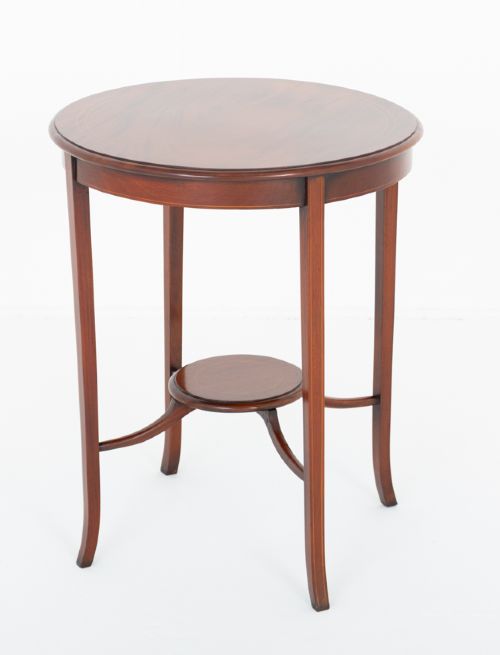
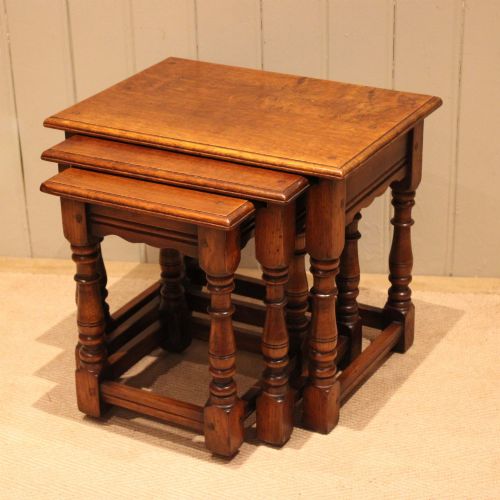
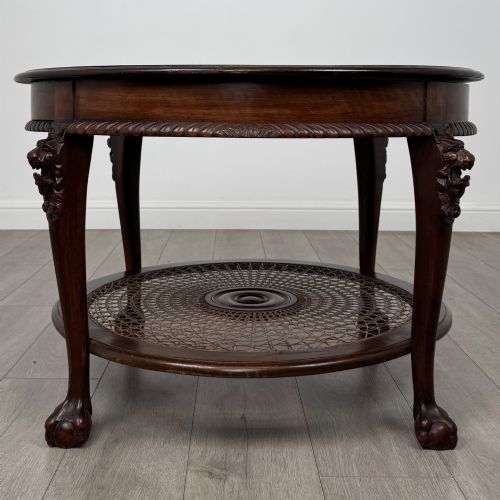
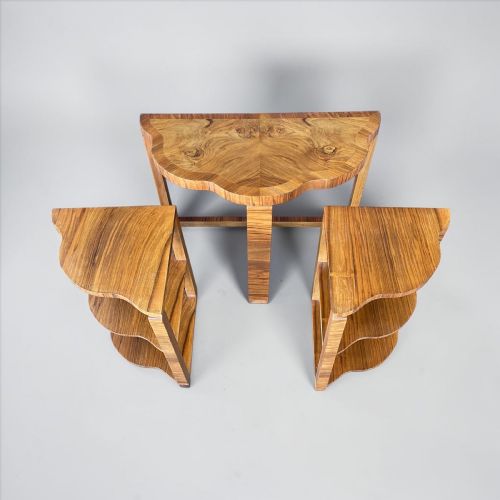
Beyond Art Deco examples, the selection includes Edwardian mahogany designs and nineteenth-century occasional tables. Formats span from two-tier coffee tables to nests of tables and étagères.
Materials and construction
Makers utilised timber solids and veneers, predominantly walnut, mahogany, and oak, often laid over a secondary core. Figured walnut and bird's eye maple introduce decorative grain patterns across the primary surfaces.
Metal elements such as brass and chrome appear on later twentieth-century interpretations to support glass or wooden tiers. Ebonised wood and bamboo provide alternative structural frameworks in specific aesthetic styles.
Tiered Coffee Table Retail Price Guide 2026
Typical asking prices for tiered coffee table among the pieces listed under this phrase on Sellingantiques today, from the lower quarter to the upper quarter. They describe what is for sale here now, not the wider market.
Materials range from traditional walnut and mahogany to bamboo, brass, chrome, and ebonised wood.
Determining quality
The sophistication of the veneer work dictates the visual distinction of a tiered coffee table. Highly figured woods and precise matching across multiple tiers elevate the status of an occasional piece.
Construction methods and timber selection separate standard production from high-end workshop output. Integrated metal fittings or secondary exotic woods like rosewood and satinwood indicate elevated craftsmanship.
Romeo Rega·Maison Jansen
The Tiered Coffee Table Glossary
- Tiered table
- A piece featuring two or more distinct horizontal surfaces arranged vertically. This configuration maximises surface area whilst maintaining a compact footprint.
- Veneer
- A thin layer of decorative timber applied over a base wood structure. Highly figured veneers create striking patterns on table tops.
- Occasional table
- A small table intended for light, flexible use around a room rather than a single fixed purpose. These often include multiple levels or nesting capabilities.
- Étagère
- A piece of furniture consisting of a set of open shelves or tiers for displaying small objects. French examples often incorporate decorative japanning.
- Nesting tables
- A set of several tables of graduated sizes designed to fit neatly beneath one another. They offer space-saving versatility in sitting rooms.
Tiered Coffee Table: Frequently Asked Questions
What is a tiered coffee table used for?
A tiered coffee table provides multiple levels for placing books, drinks, and decorative items. The secondary shelves keep surfaces tidy by holding smaller objects out of the main usable area.
These pieces suit living rooms where surface space is valuable. The vertical arrangement adds height and visual interest compared to a single-level table.
How do I identify an Art Deco tiered table?
Art Deco tiered tables rely on geometric forms, stepped profiles, and highly figured walnut or maple veneers. They date predominantly from the nineteen-twenties and thirties.
Smooth surfaces and rich grain patterns replace ornate carving on these pieces. Chrome or contrasting wood inlays frequently accent the structure.
Are Edwardian tiered tables different?
Edwardian tiered tables generally utilise solid mahogany or oak rather than exotic veneers. Their design draws on earlier traditional styles with turned legs and shaped tops.
These earlier pieces often take the form of nests of tables or occasional tables with delicate upright supports. The timber finish tends to be a warm, polished brown.
How do I care for a walnut veneer table?
Walnut veneer requires protection from direct sunlight and excessive moisture to prevent fading and lifting. A soft, dry cloth removes dust without damaging the polished finish.
Coasters and placemats prevent heat and liquid marks on the delicate wood surfaces. Wax polish applied occasionally maintains the natural lustre of the timber.