
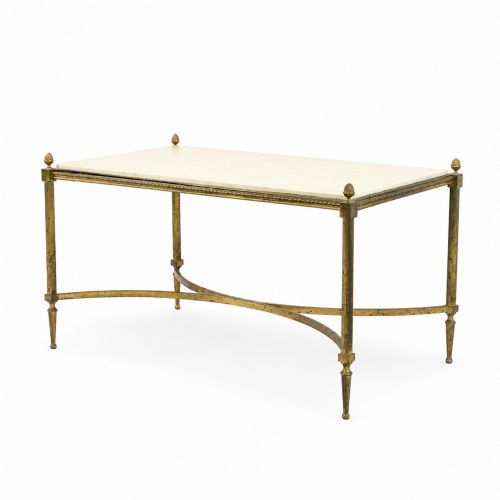


Mid Century Low Table
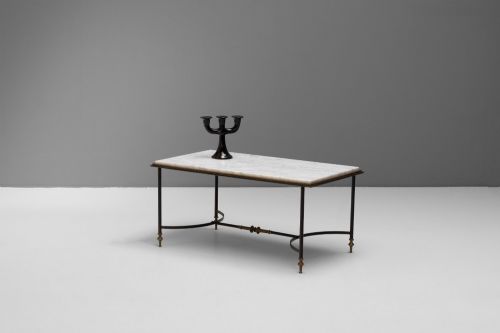
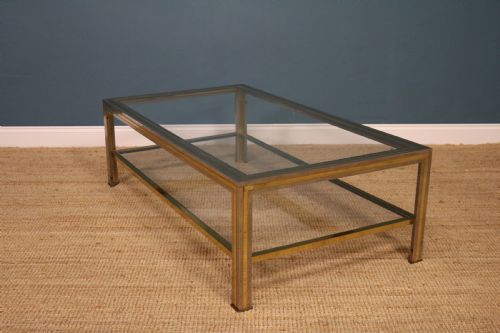
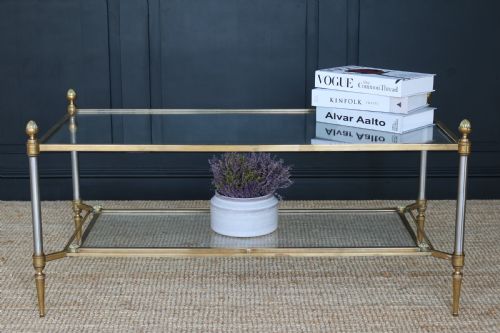
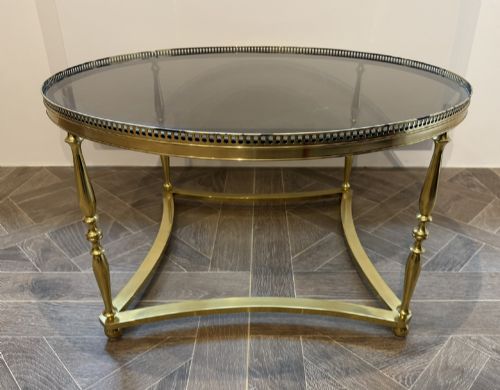
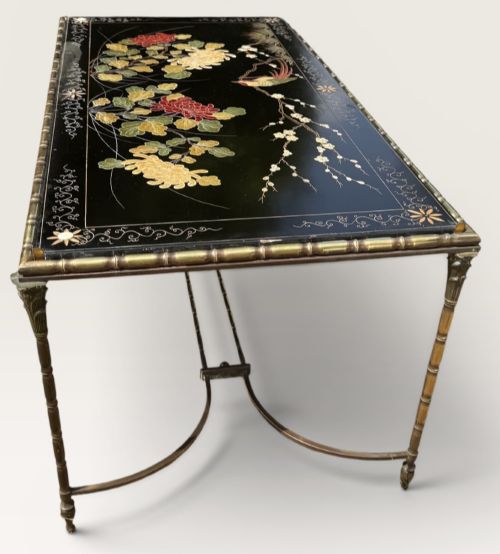
A mid century low table anchors a room with understated height, bringing varied materials from glass to marble into a relaxed seating arrangement.
Mid Century Low Table
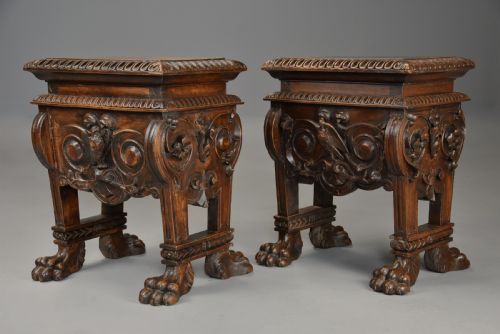
A mid century low table takes several forms across the inventory, appearing most frequently as a coffee table or occasional table alongside stools and pedestals. These pieces draw on diverse styles such as Mid-Century Modern, Hollywood Regency, and French Provincial, reflecting a broad historical range from the eighteenth century to the modern era.
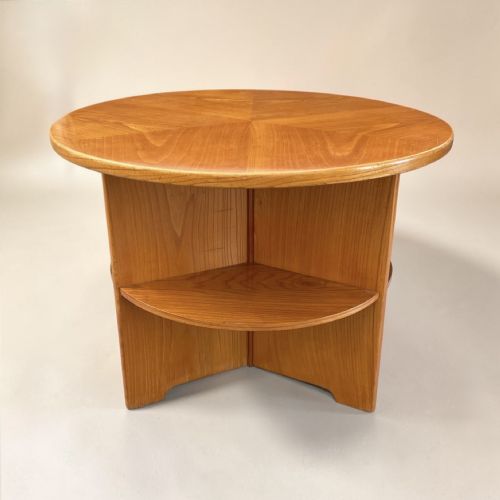
The selection includes specialised low forms like Chinese kang tables, lowboys, and mirrored surfaces alongside circular and rectangular coffee tables. Walnut, oak, and mahogany provide traditional wooden frames, while glass tops, marble inserts, and metal structures introduce lighter textures.
Materials and construction
Wood construction relies on solid timbers such as oak, walnut, cherry, and rosewood, often enhanced by burr walnut veneers, marquetry, or raised lacquer relief. Artisans also utilised wrought iron, brass, bronze, and chrome to build durable support frames.
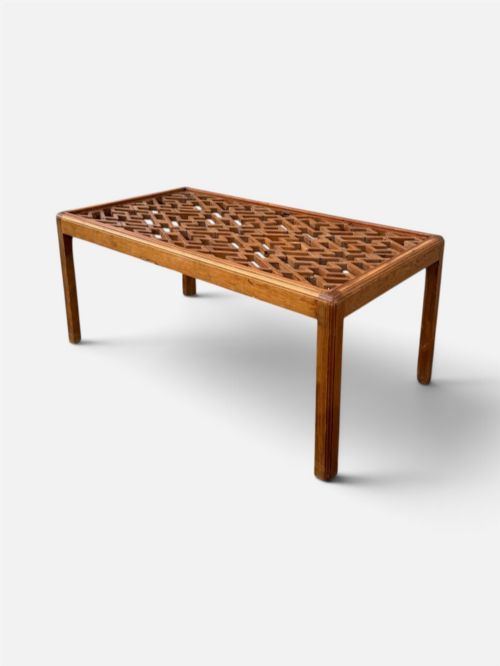
Surfaces frequently incorporate inset materials, featuring glass panels, veined marble, tiled tops, antique Chinese fretwork, and specimen stones. Joinery techniques and metal casting secure these varied elements into stable, functional low furniture.
Object types include coffee tables, occasional tables, stools, pedestals, and plant stands.
Assessing quality and execution
Quality rests in the precision of the joinery and the selection of materials, whether dealing with finely carved walnut, heavy cast brass, or genuine marble slabs. Finer pieces demonstrate careful attention to surface detail, such as intricate marquetry, crisp metal chasing, or hand-applied lacquer.
Design coherence distinguishes superior examples, where the proportions of the frame harmonize with the chosen top material. Pieces linked to known makers or specific design traditions often display a higher standard of craftsmanship in their finishing.
Romeo Rega·Maison Jansen·Maison Bagues·Maison Ramsay·Ernest Hemingway·B Battioli
The Mid Century Low Table Glossary
- Kang table
- A low domestic platform table originating in China, traditionally used for sitting or serving tea. These pieces sit low to the ground and often feature recessed legs.
- Lowboy
- An eighteenth-century English side table with a low profile, typically fitted with one or more rows of drawers beneath the top. They are constructed from timbers like oak and walnut.
- Specimen top
- A tabletop composed of various coloured marbles or hardstones arranged in geometric or pictorial patterns. This Italian technique highlights natural variations in mineral colours.
- Chinoiserie
- European decorative style reflecting Chinese artistic motifs, popular in lacquerwork and fretwork panels. It combines Western furniture forms with Asian-inspired ornamentation.
- Marquetry
- The art of applying small pieces of veneer to a structure to form decorative patterns or pictures. Craftsmen utilise different coloured woods to create contrast.
Mid Century Low Table: Frequently Asked Questions
What is a mid century low table used for?
These low surfaces serve primarily as coffee tables or occasional tables in living spaces, holding books, drinks, and decorative objects near seating. Their modest height keeps sightlines open across a room.
Historically, forms like the Chinese kang table and the English lowboy fulfilled specific domestic functions for sitting, storage, and display. Today, they adapt easily to modern interior layouts.
How do I style a low table?
Balance the surface by combining flat items like art books with taller vertical objects such as small sculptures or plants. Leave some space clear to showcase the tabletop material.
Consider the surrounding seating height so guests can reach the table comfortably. The varied materials of the table top will guide your choice of accessories.
How can I tell periods apart?
Eighteenth-century examples often feature carved solid walnut, oak, or mahogany with traditional joinery and classic silhouettes. Nineteenth-century pieces frequently introduce burr walnut veneers, marquetry, and heavier classical revival styles.
Mid-century items bring in industrial metals like chrome and brass alongside glass, clean lines, and distinct stylistic revivals like Hollywood Regency. Examining the construction methods and wood types helps clarify the date.