

Pair 18th Century Candlesticks
When choosing a pair 18th century candlesticks, collectors seek lighting that brings genuine Georgian proportion and period weight to a mantel or dining table.

Pair 18th Century Candlesticks
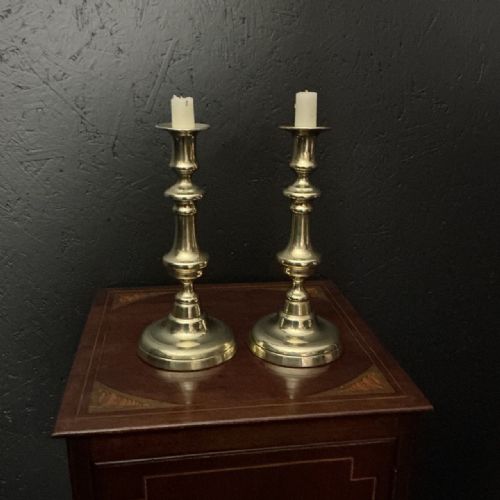
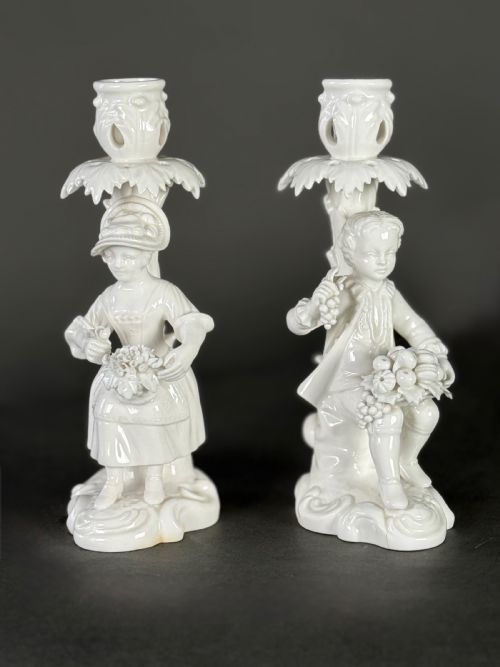
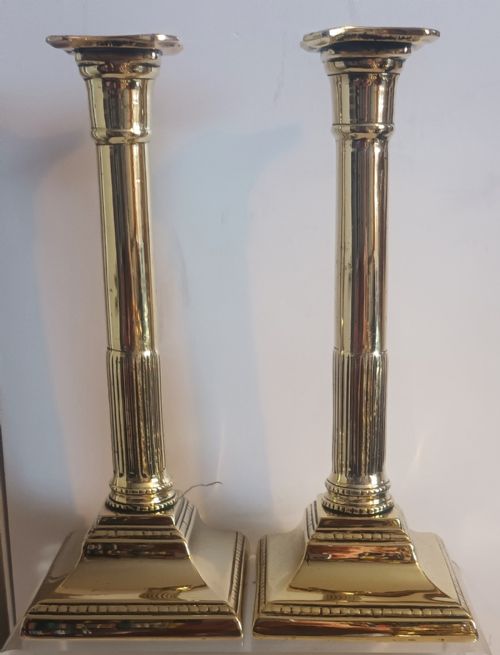
A pair 18th century candlesticks encompasses functional brass lighting, porcelain figures, and carved wooden altar pieces made during the Georgian era. Buyers encounter brass most frequently, alongside silver plate, hardwoods, and hard-paste porcelain from factories such as Derby.
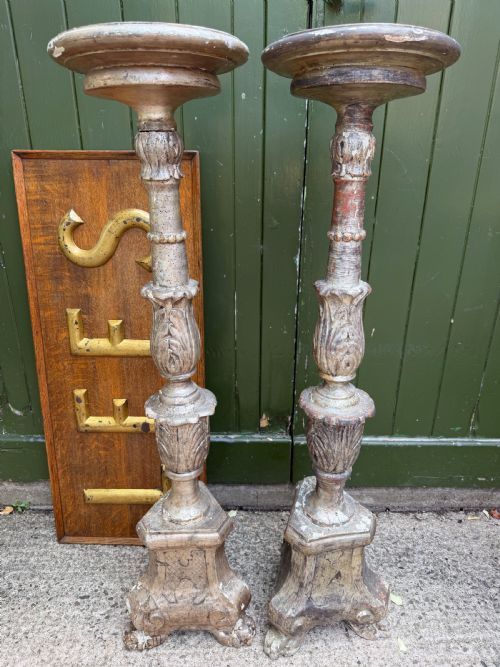
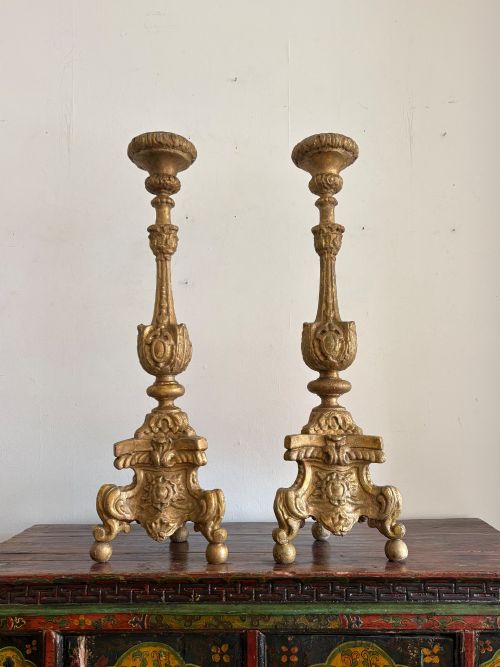
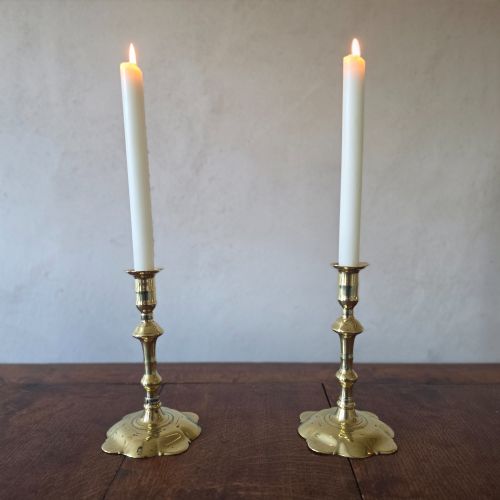
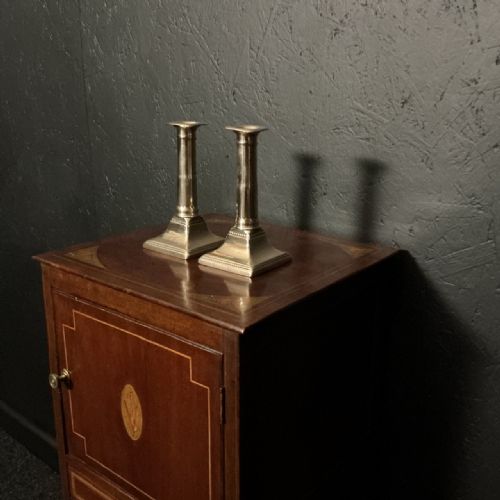
Forms range from simple domestic petal-base and column sticks to elaborate figural candelabra and tall Italian church torcheres. The selection spans the reigns of George II and George III, reaching into the early nineteenth century.
How they were made
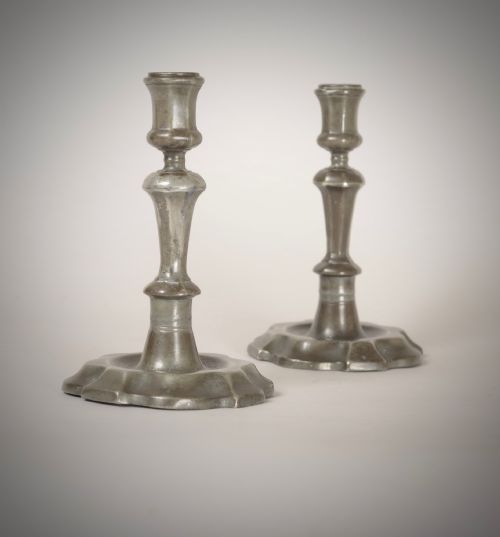
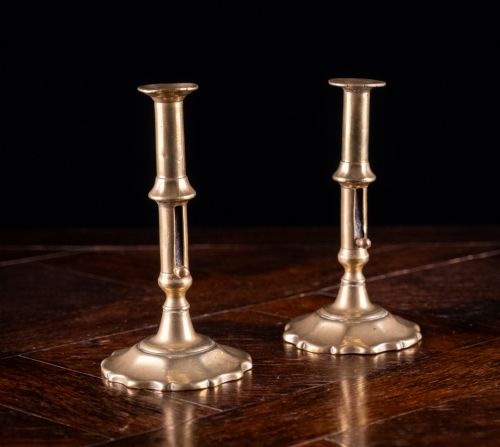
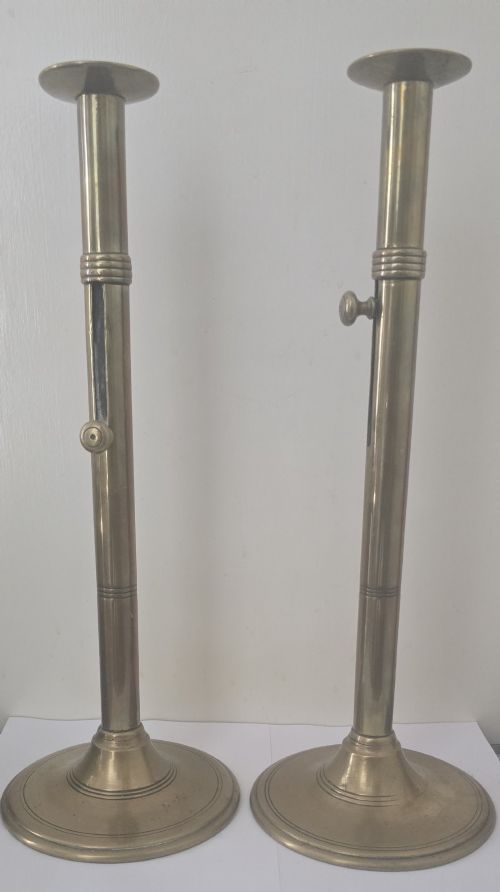
Metal examples involve casting brass or gunmetal in pieces, often utilising seamed construction and turning on a lathe to refine the profile. Makers incorporated ejector mechanisms inside the stem to push out stubborn wax stubs.
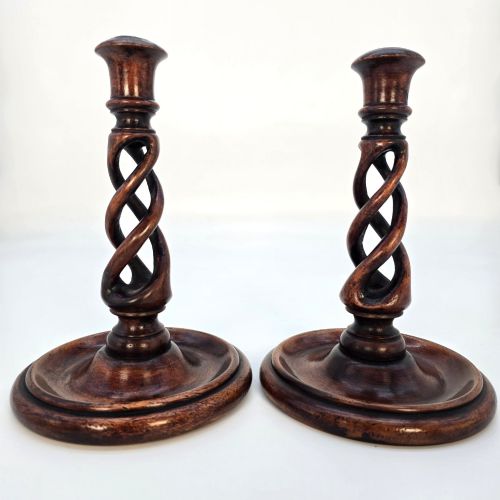
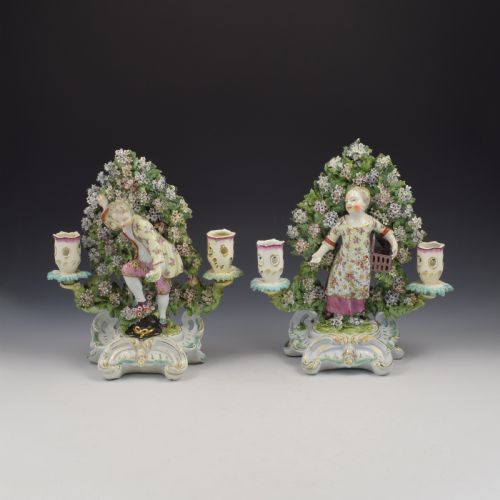
Porcelain versions demand high-temperature firing of clay bodies decorated with polychrome enamel and applied bocage foliage. Wooden items rely on hand-carved fruitwood, mahogany, or lignum vitae, sometimes finished with gesso and gold leaf.
Early Derby porcelain dancers hold still forever, forever trapped mid-step among delicate clay flowers.
What varies in quality
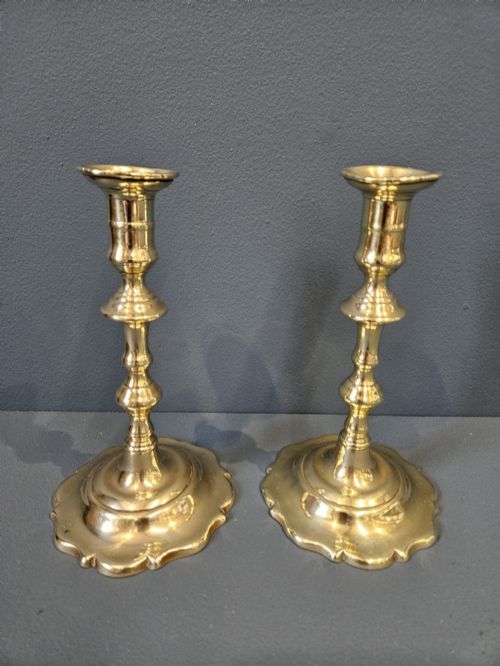
Quality rests upon the crispness of the casting and the integrity of the original components rather than mere survival of the piece. Finer brass items retain sharp architectural mouldings on the foot and well-fitted stems without excessive later polishing.
Matthew Boulton·J. Miller·John Cafe
The Pair 18th Century Candlesticks Glossary
- Ejector
- A concealed internal mechanism with a small side button used to push spent wax candles out of the socket. This innovation became common in mid Georgian brass production.
- Bocage
- Applied decorative foliage made of porcelain, often forming a leafy backdrop behind figures on eighteenth-century candle holders. It requires careful firing to prevent warping.
- Pricket
- A sharp metal spike set in the centre of a drip pan to hold a candle, typical of ecclesiastical and altar pieces rather than domestic table lighting.
- Petal base
- A foot shaped like overlapping flower petals, frequently seen on brass candlesticks from the first half of the eighteenth century. The form provides a stable circular footprint.
- Old Sheffield plate
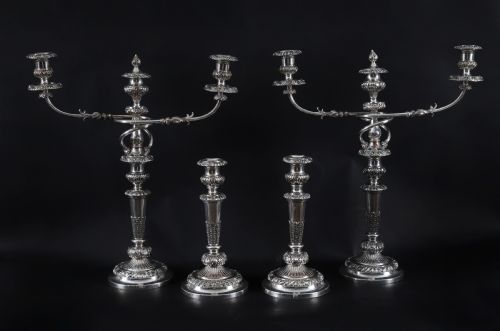
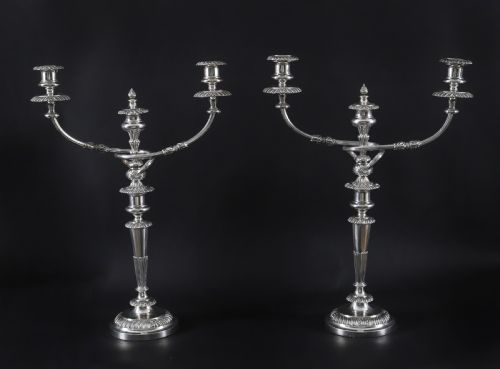
- A composite material made by fusing a thin sheet of silver to a thicker copper base under heat. Eighteenth-century makers used this technique for luxury candelabra.
Pair 18th Century Candlesticks: Frequently Asked Questions
How do I date an antique brass candlestick?
Examine the base construction, foot shape, and manufacturing marks. Early examples often feature multi-part cast assemblies with octagonal or petal feet.
Later Georgian items introduce heavier turned columns and integrated side ejector mechanisms for practical domestic use.
Were these candlesticks used for dining tables?
Domestic pairs served primarily on sideboards, mantelpieces, and dining tables to provide evening illumination before gas and electric lighting.
Larger ecclesiastical examples remained in churches, while heavy silver-plated suites lit grand Georgian dining rooms.
How should I clean antique brass candlesticks?
Remove surface dust gently with a soft cloth without harsh commercial abrasives. Preserving the mellow dark oxidation enhances historical character.
Avoid aggressive polishing that strips away centuries of handling wear and softens crisp casting details.
What is the difference between candlesticks and candelabra?
Candlesticks hold a single candle in an upright sconce attached to a vertical stem and a weighted base. Candelabra branch out into multiple arms to support several lights from one central shaft.