


Georgian Petal Base Candlesticks
Georgian petal base candlesticks are classic lighting pieces in brass and bell metal, offering authentic period character for any interior.
Georgian Petal Base Candlesticks
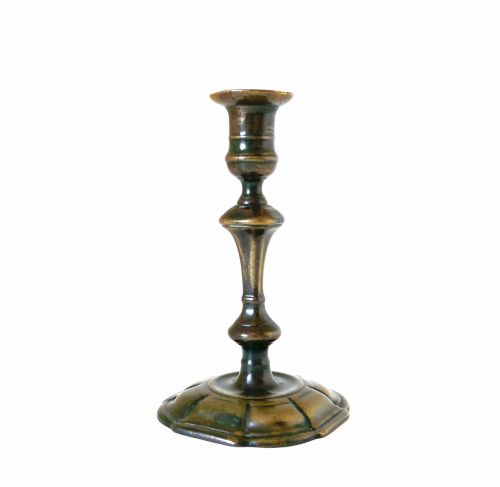
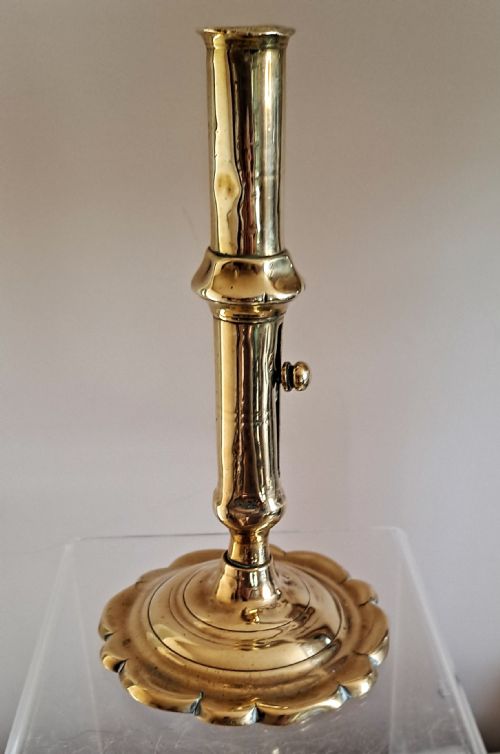
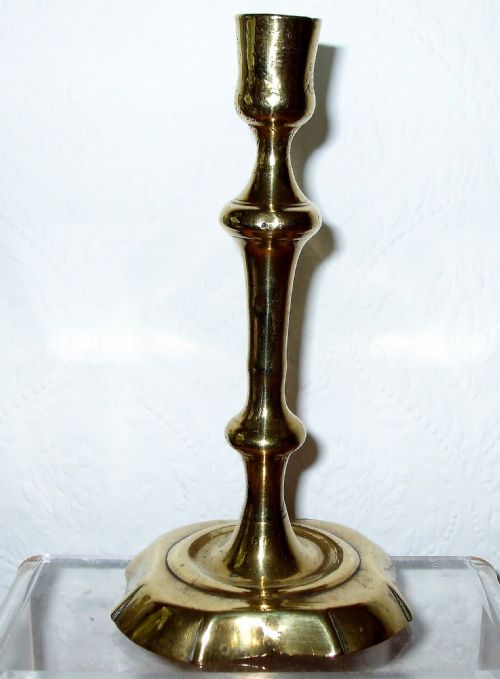
Georgian petal base candlesticks combine functional early lighting with distinct decorative bases shaped like unfolding flower petals. The listings and archives show these examples originating from the eighteenth century, particularly around the seventeen-forties and seventeen-fifties under George the Third.
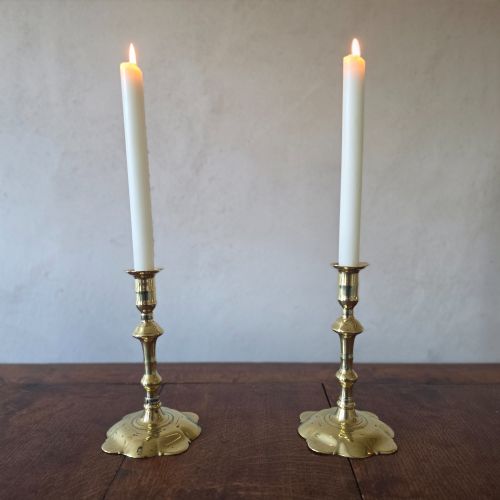
Most items appearing on this page are formed as pairs or single candlesticks displaying multi-knopped stems above the characteristic lobed foot. English provenance dominates the evidence, with items dating from the seventeen-forties through to approximately eighteen hundred.
Buyers seeking authentic period illumination will find these pieces bridge the gap between utility and display. The distinctive foot shape provides a stable foundation while introducing sculptural curves typical of the mid-eighteenth century.
Materials and construction methods
Brass and bell metal form the core materials recorded across the evidence for these eighteenth-century lighting pieces. Smiths utilised casting techniques to shape the substantial metal components into multi-knopped stems and lobed feet.
Seamed construction appears frequently in the manufacturing records, joining shaped metal sections together to create the finished candlestick body. Surface patination develops naturally over centuries of handling and age.
Several examples retain centuries of old candle wax deep within their sockets, offering a direct tactile link to Georgian dinner parties.
Assessing quality in period lighting
Quality differences rest upon the crispness of the petal moulding on the base and the complexity of the stem turnings. Finer examples display sharp definition in the lobed feet and well-proportioned multi-knopped sections.
The integrity of the original casting and the presence of a pleasing, untouched surface patination separate standard examples from finer specimens. Pairs matching in height and metal composition hold greater significance than assembled groupings.
The Georgian Petal Base Candlesticks Glossary
- Petal base
- A candlestick foot shaped with lobed lobes resembling flower petals. This design provides both visual weight and stability.
- Bell metal
- An alloy of copper and tin traditionally used for bells, producing a resonant tone and heavy handle. It appears in several early lighting items.
- Knoop
- A decorative swelling or knob on the stem of a candlestick. Multi-knopped stems feature several of these ornamental interruptions.
- Sconce
- The socket at the top of a candlestick that holds the candle in place. It catches melting wax during use.
- Seamed
- Describes metal objects constructed from joined sheets or cast sections. Visible seams indicate traditional manufacturing methods.
Georgian Petal Base Candlesticks: Frequently Asked Questions
How do I date these candlesticks?
Dating relies on stylistic clues such as the multi-knopped stem profile and the specific configuration of the petal base.
Comparison with documented eighteenth-century examples helps narrow down the production period between seventeen-forty and eighteen hundred.
Are these candlesticks safe to use?
These items were designed to hold tallow or wax candles in domestic settings during the Georgian era. Modern users often place standard tapers in them for ambient lighting.
Careful measurement of the socket diameter ensures proper fit for contemporary candles without damaging the metal.
Why do some candlesticks come in pairs?
Pairs were produced to flank mirrors, mantelpieces or dining tables symmetrically in eighteenth-century rooms.
Finding matched pairs from the period remains desirable for display purposes.
What is patination on brass?
Patination is the natural surface alteration and darkening that occurs on brass and bell metal over generations.
This accumulated layer reflects the age and history of the piece rather than modern polishing.