





Gothic Revival Candle Holders
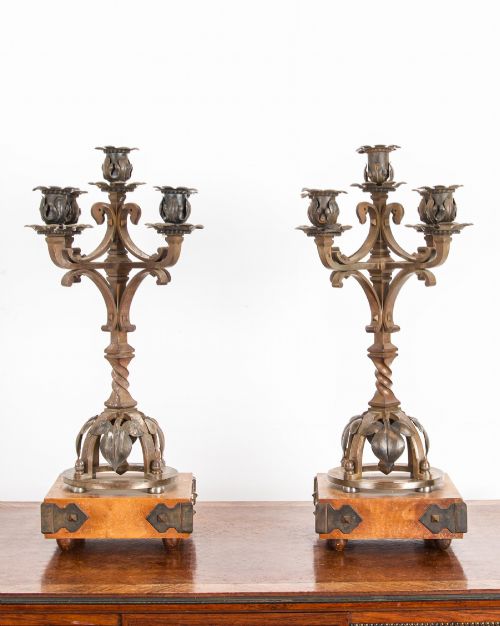
These gothic revival candle holders bring medieval ecclesiastical form into nineteenth and twentieth-century interiors through robust metalwork.
Gothic Revival Candle Holders
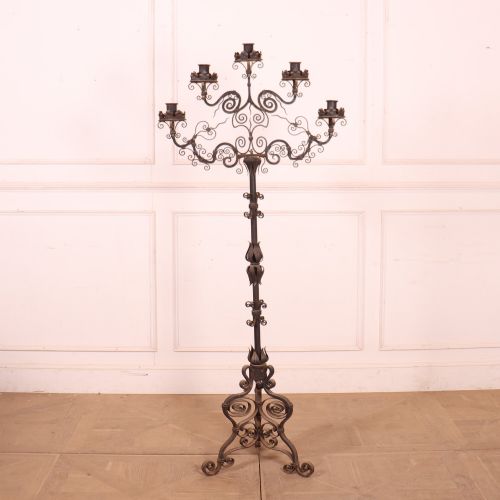
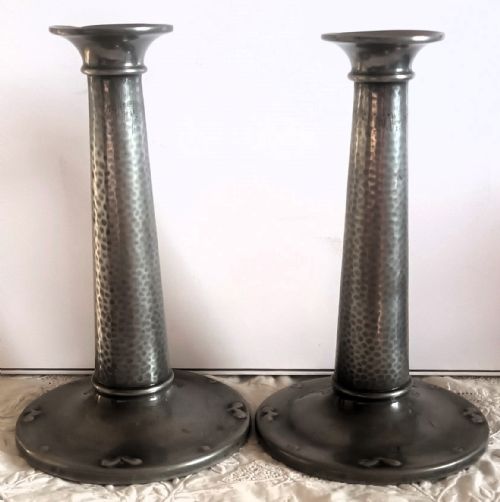
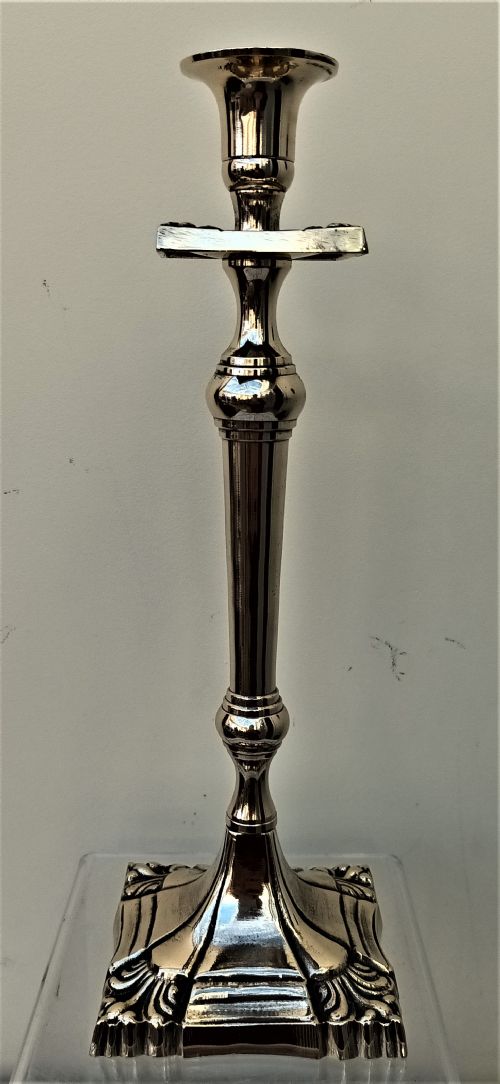
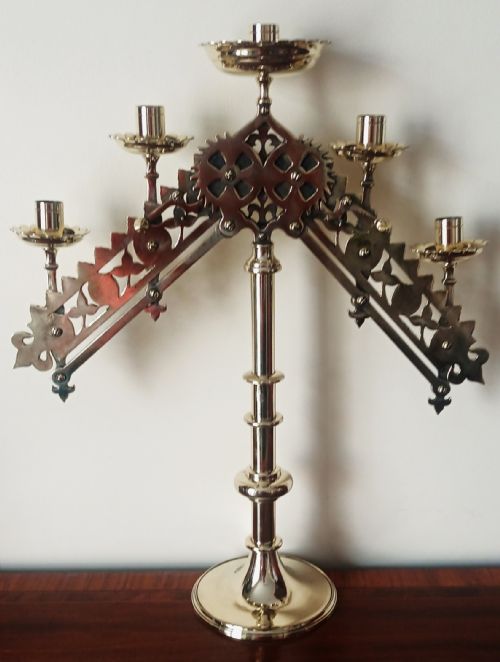
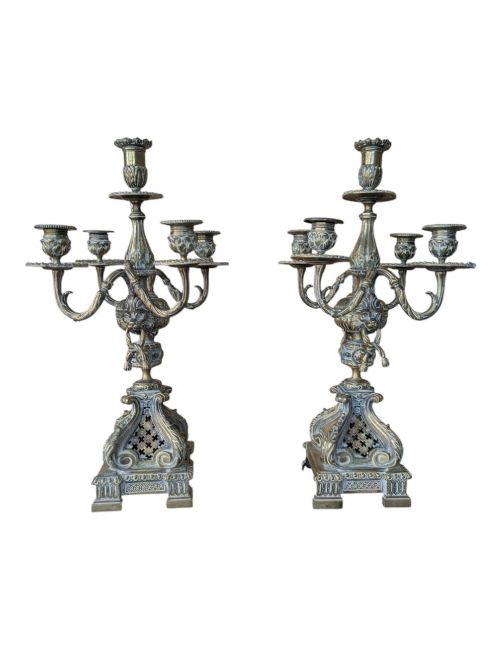
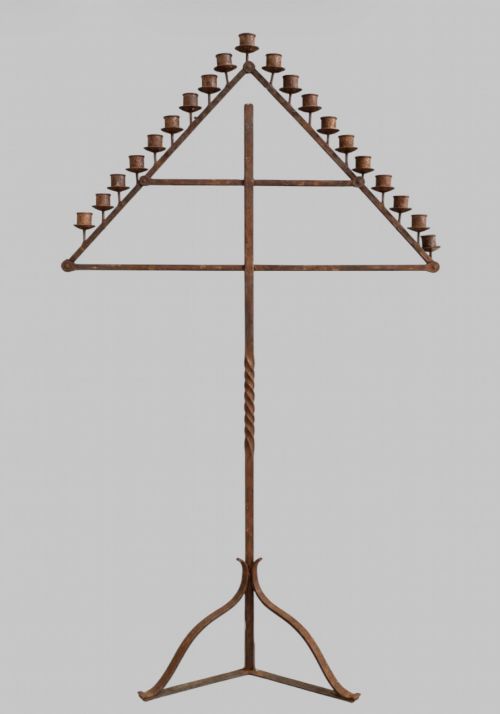
Gothic revival candle holders span domestic table items and large architectural altar pieces designed for ecclesiastical or secular spaces. You will most frequently encounter pairs of brass or bronze candlesticks and multi-branch candelabra dating from the nineteenth century.
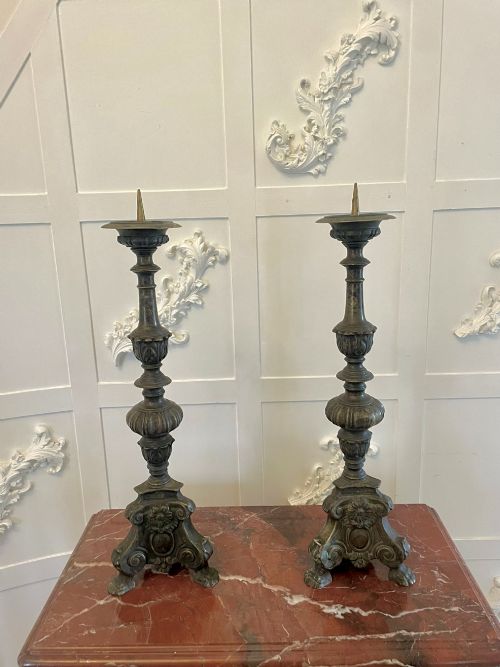
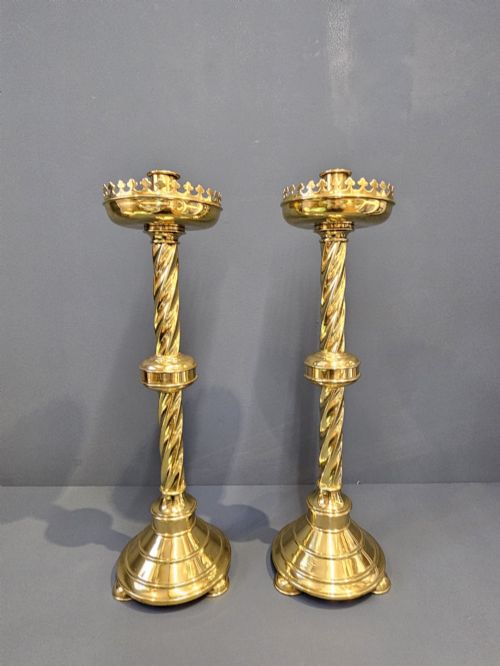
The inventory includes heavy pricket candlesticks, floor-standing church candle holders, and chamber sticks utilising styles from Victorian gothic to Arts and Crafts. Forms range from simple shaft designs to articulated branches and figural medievalist castings.
What varies in quality
Quality rests in the crispness of the casting detail and the architectural integrity of the gothic ornament. Heavier metal gauge and substantial proportions distinguish monumental church and altar pieces from lighter domestic items.
Refinement in the chasing of bronze surfaces and the proportional balance of multi-branch candelabra separate standard production items from those attributable to specific design movements or known makers.
Gothic Revival Candle Holders Retail Price Guide 2026
Typical asking prices for gothic revival candle holders among the pieces listed under this phrase on Sellingantiques today, from the lower quarter to the upper quarter. They describe what is for sale here now, not the wider market.
Medieval characters on stilts occasionally support the candles.
Wm. Tonks & Sons·Dr Christopher Dresser
The Gothic Revival Candle Holders Glossary
- Pricket
- A sharp spike on a candlestick designed to secure a candle by its base rather than holding it in a socket. This form is common on ecclesiastical altar candlesticks.
- Candelabra
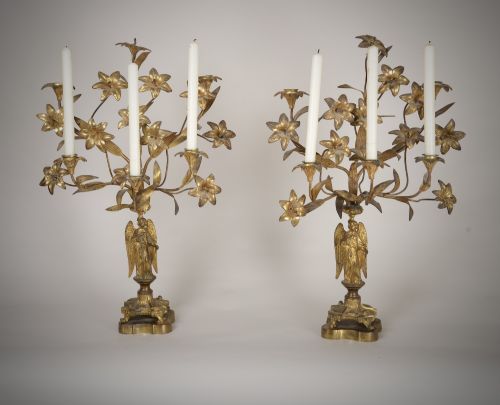
- A branched lighting fixture holding multiple candles upon a single central stem. These often feature articulated arms for adjustable light spread.
- Ecclesiastical
- Design style originating from church furnishings and architecture. Pieces of this type typically display heavy gothic tracery, trefoils, and heraldic motifs.
- Ormolu
- Finely ground high-carat gold applied to a bronze or brass base using mercury amalgamation. The technique produces a rich golden surface finish on decorative metalwork.
- Chamber stick
- A low portable candle holder fitted with a shallow drip pan and a loop handle. They were utilised for carrying light through domestic corridors before widespread electrification.
Gothic Revival Candle Holders: Frequently Asked Questions
What is a pricket candle holder?
A pricket candle holder uses a metal spike to impale the base of a candle instead of a traditional socket. This design derives directly from medieval church altar furnishings.
Such pieces are typically heavier and taller than domestic examples, built to support large wax candles during services.
How do I date a brass candlestick?
Dating relies on manufacturing marks, assembly methods, and stylistic cues such as the shift from Georgian-style casting to Victorian gothic revival ornament. Heavy brass gauge and specific patination styles help narrow down the period.
Component construction also changes over time, moving from hand-finished turned sections to machine-threaded commercial production.
Where were these pieces used originally?
Many examples originated in churches and chapels as altar lighting, while others served in domestic Victorian and Edwardian interiors. Floor-standing and multi-branch versions provided significant illumination for large architectural spaces.
Smaller chamber sticks and table candlesticks were made for moving through rooms in private homes.
Are these items made of solid brass?
The listings include solid cast brass, cast bronze, wrought iron, and copper, alongside gilt metal and ormolu finishes. Weight is usually a reliable indicator of solid metal casting versus plated alternatives.
Materials range across different workshops, incorporating treen and walnut components in specific domestic items.