

Antique Silver Candle Stands
When you search for antique silver candle stands, you seek solid metal work designed to hold light upon a dining table or desk.
Antique Silver Candle Stands
Antique silver candle stands encompass tall floor torcheres, multi-branch candelabra, and table candlesticks. The examples found here span the eighteenth, nineteenth, and twentieth centuries, reflecting changing domestic lighting needs.
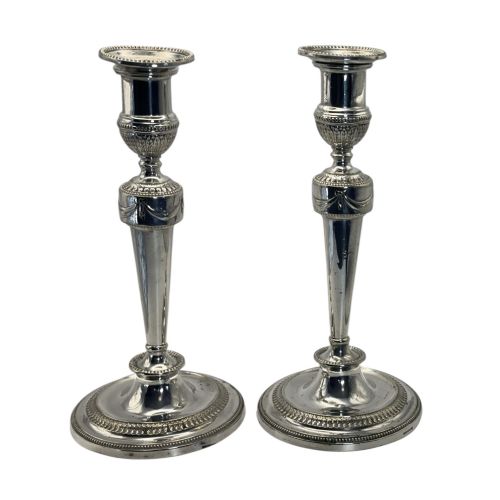
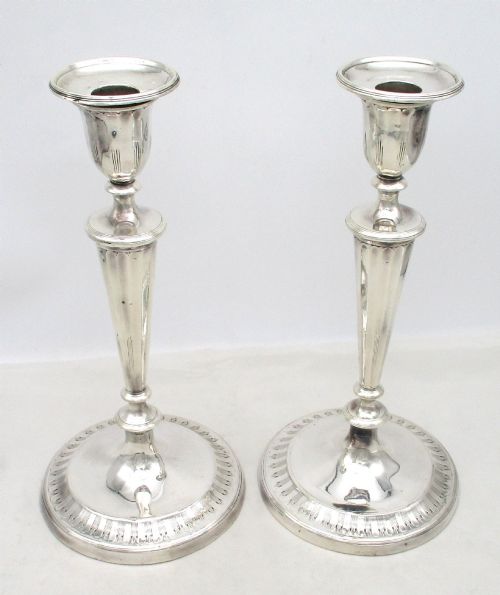
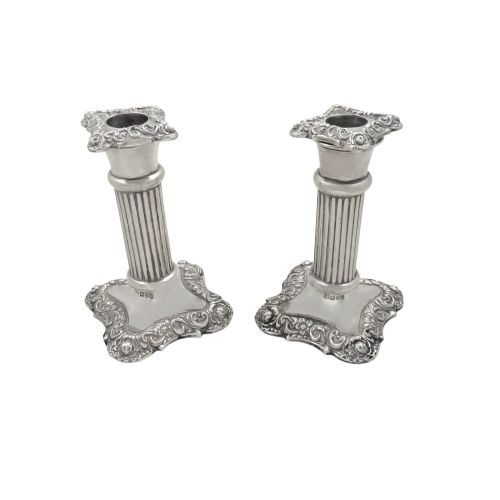
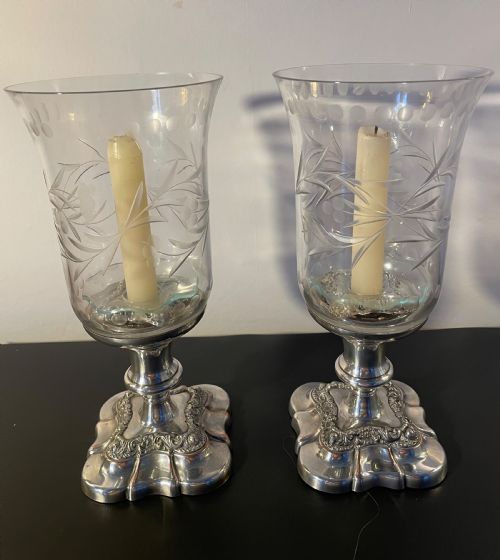
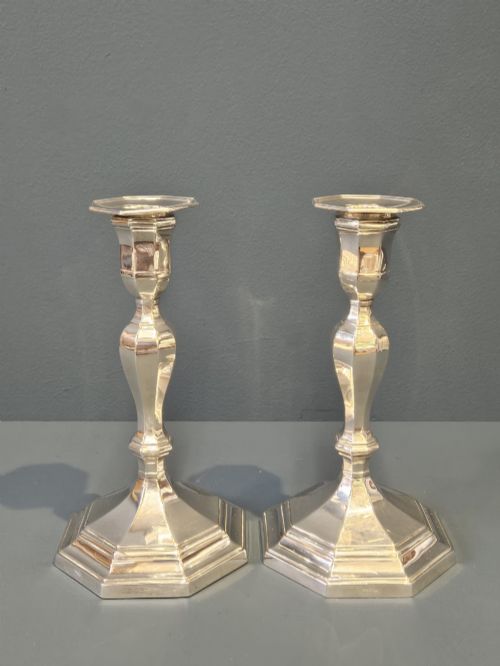
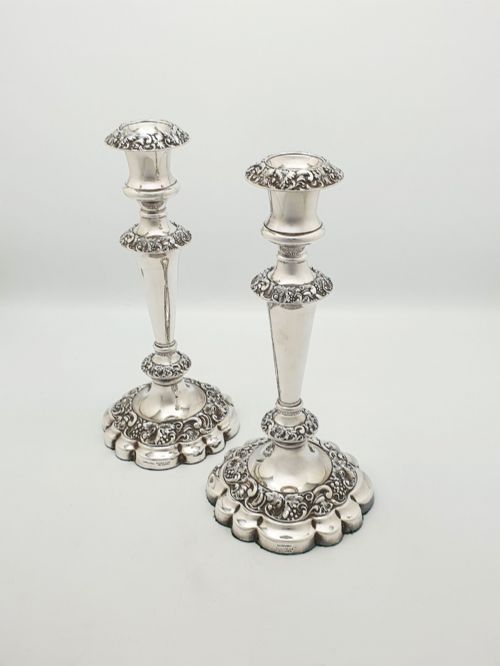
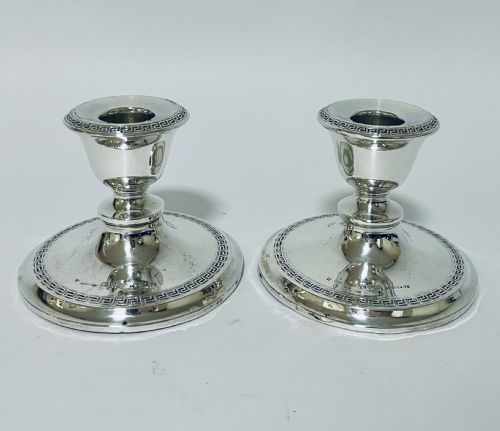
Most pieces encountered on this page are matched pairs intended for symmetry on a sideboard or mantelpiece. They appear in sterling silver, silver plate, and pewter, often following historic Georgian or Neoclassical design principles.
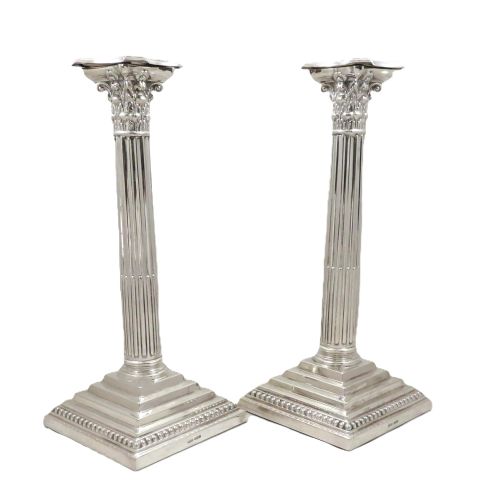
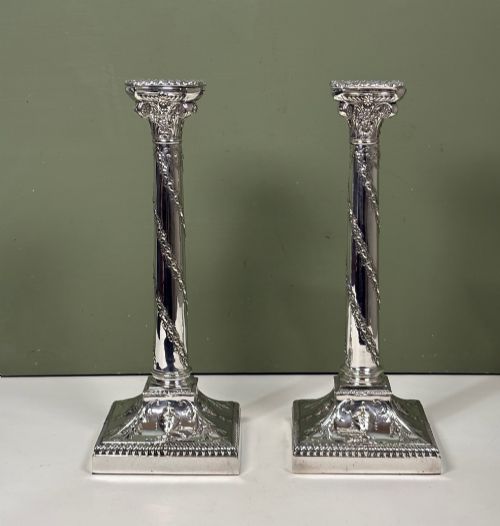
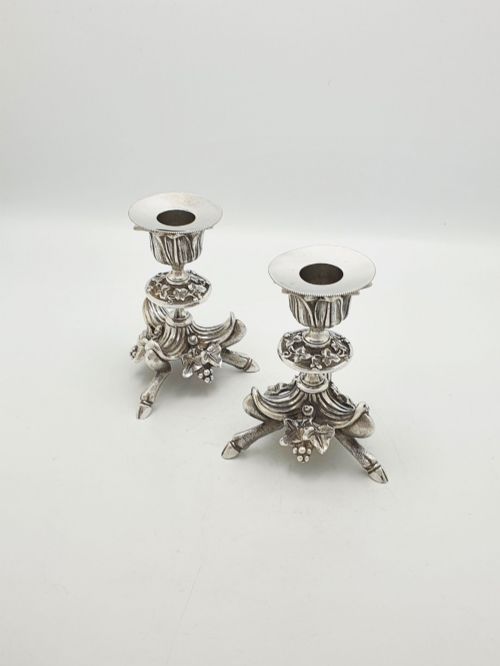
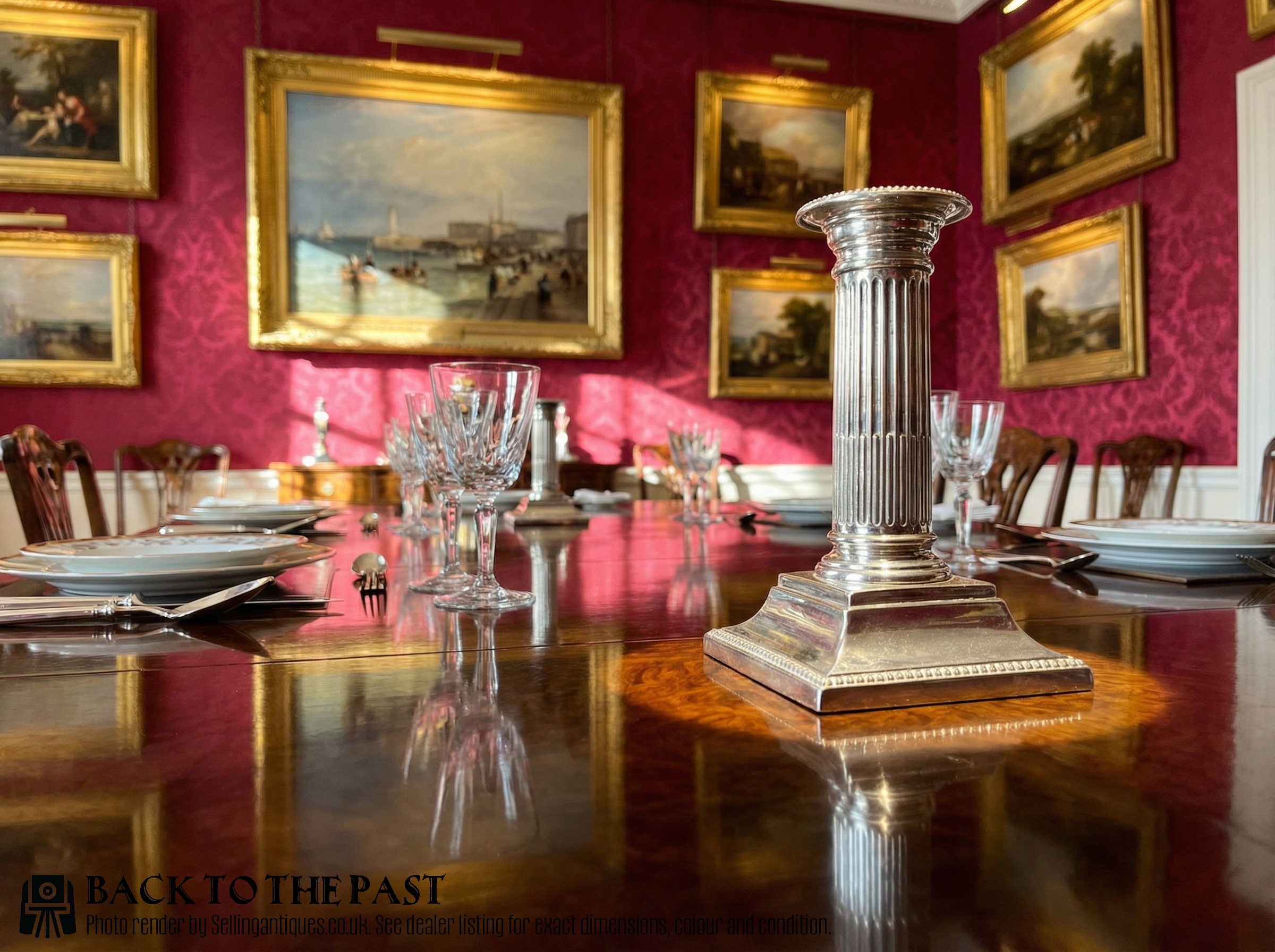
Forms range from simple domestic desk models to large architectural Corinthian column designs and figural groups. Makers utilised traditional casting and spinning methods to achieve these sturdy structural shapes.
Materials and construction
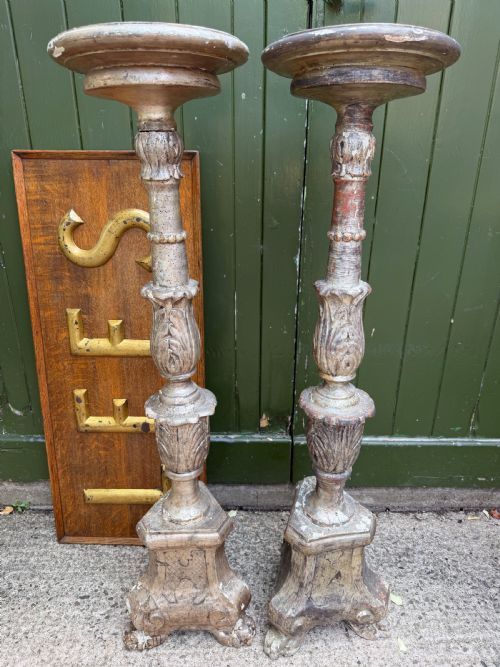
Makers shaped sterling silver and silver plate over copper or base metal cores to create durable forms. Silver leaf and silvered finishes likewise coated carved wooden altar-style pieces and torcheres.
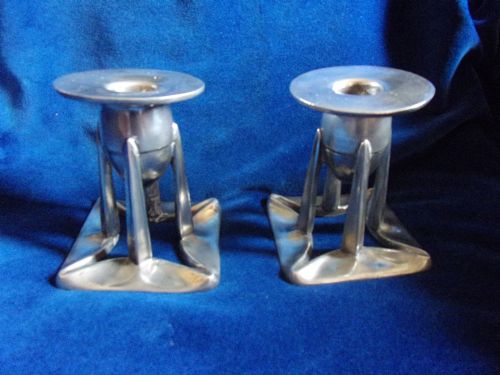
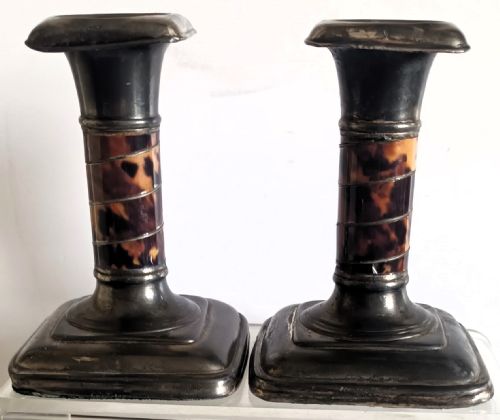
Pewter and copper appeared frequently during the Arts and Crafts era, sometimes combined with enamel work. Workers cast, spun, or hammered these metals into weighted bases that provided stability for heavy candle sockets.
Antique Silver Candle Stands Retail Price Guide 2026
Typical asking prices for silver candle stands among the pieces listed under this phrase on Sellingantiques today, from the lower quarter to the upper quarter. They describe what is for sale here now, not the wider market.
Some Victorian pewter candlesticks wear the likenesses of cavaliers and ladies, standing guard over your melting wax.
Quality differences
The weight of the metal and the crispness of the chased or cast ornament distinguish standard domestic items from finer productions. Heavier gauges of silver or plate resist dents and maintain structural integrity at the joints.
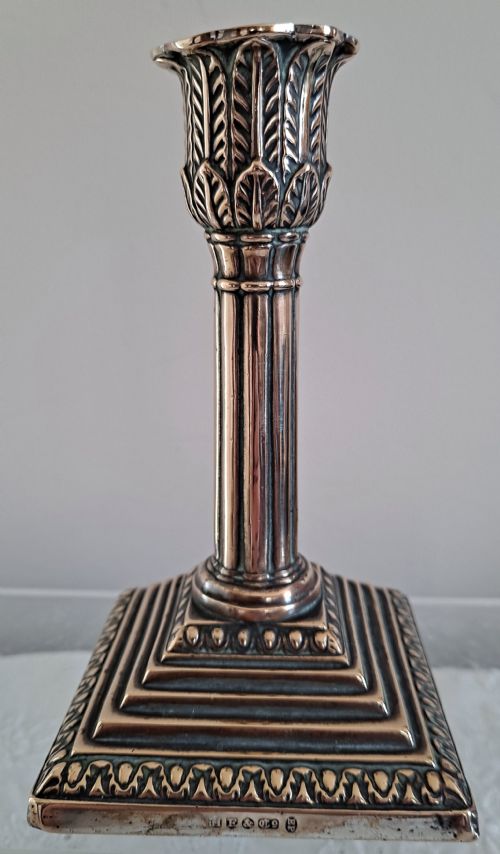
Design execution determines the visual success of a pair, from well-proportioned Corinthian capitals to detailed figural castings. Original weighted bases and intact hallmarks or maker stamps elevate the standing of a piece.
Archibald Knox·Mappin & Webb·Liberty & Co·Smith & Sissons & Co·Peter and Anne Bateman
The Antique Silver Candle Stands Glossary
- Candelabra
- A branched candlestick holding multiple lights on separate arms. These large table centrepieces often feature two to five branches.
- Torcheres
- Tall ornamental stands originally designed to carry torches or large candles. Wooden examples feature carved and silvered surfaces.
- Old Sheffield Plate
- An early fusing technique where a thin sheet of silver was fused to a thick copper base. This method produced durable wares before electroplating became common.
- Electroplated Nickel Silver
- A base metal alloy of copper, nickel, and zinc coated with a thin layer of silver through electrolysis. This process became widespread during the Victorian period.
Antique Silver Candle Stands: Frequently Asked Questions
How can I tell sterling silver from silver plate?
Sterling silver items carry hallmarks indicating the specific purity of the metal and the assay office. Silver plate lacks these standard official hallmarks and may reveal base metal underneath where wear occurs.
Older plated items like Old Sheffield Plate often show faint traces of copper showing through the silver layer.
How were these stands used historically?
People placed them on dining tables, desks, and sideboards to provide illumination before electric lighting became common. Tall torcheres stood independently on the floor to light corners of large rooms.
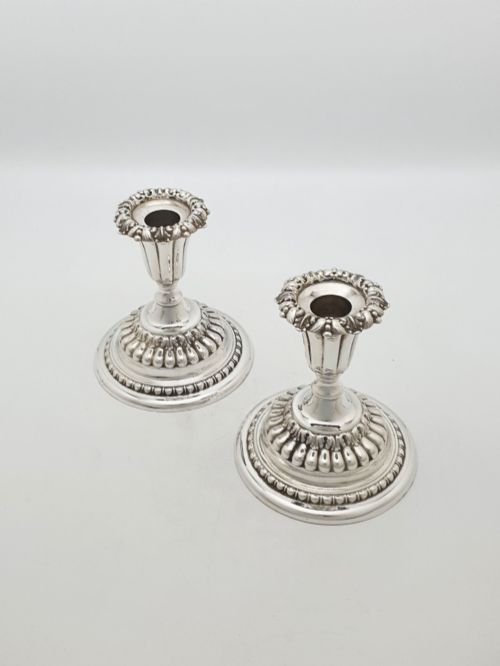
Desk candlesticks were made lower and more compact for close-up writing tasks and correspondence.
What periods do these pieces come from?
The listings span from the late eighteenth century through the Victorian and Edwardian eras into the twentieth century. Earlier items often show Georgian or Neoclassical styling, while later pieces reflect Arts and Crafts or Art Deco movements.
Design revivals mean that a Victorian piece might mimic earlier Georgian forms.