
Vintage Silver Candlesticks
These vintage silver candlesticks bring distinct period weight and bright metalwork to a room, offering both functional light and strong decorative presence.
What vintage silver candlesticks are
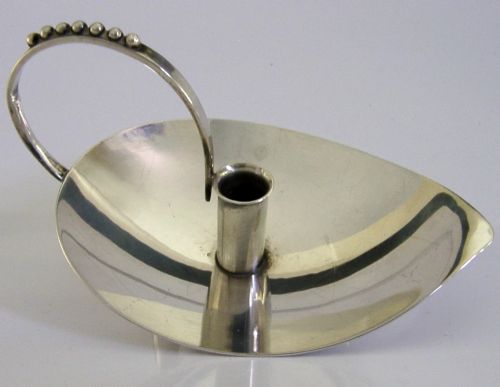
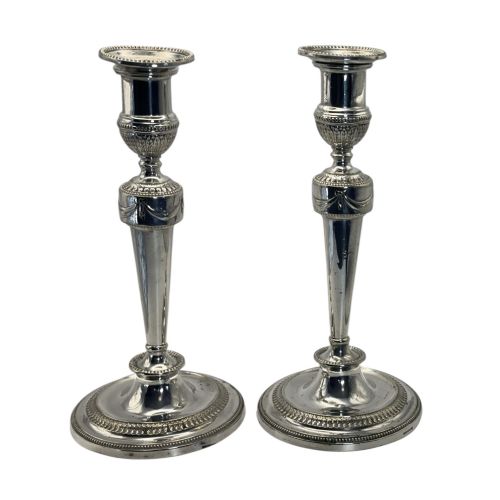
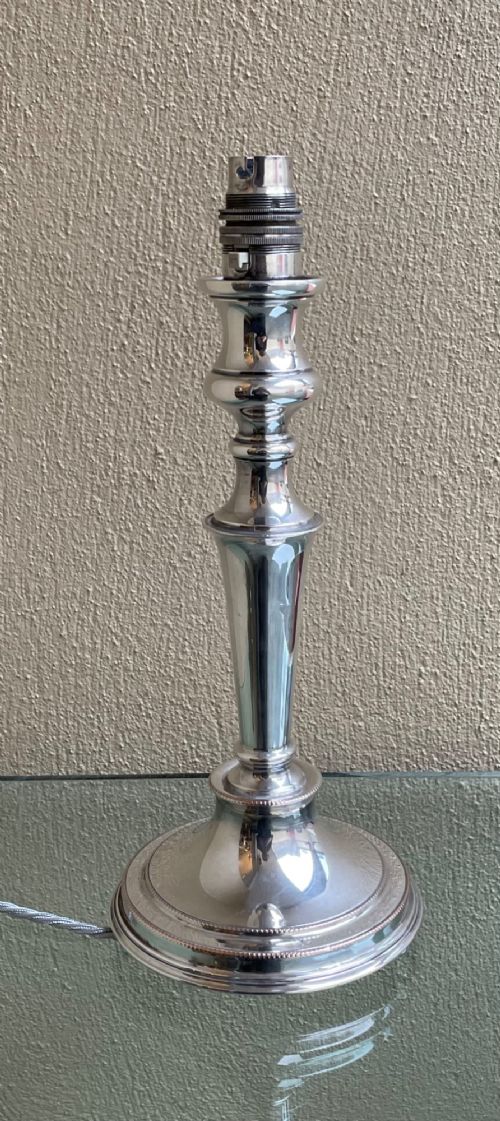
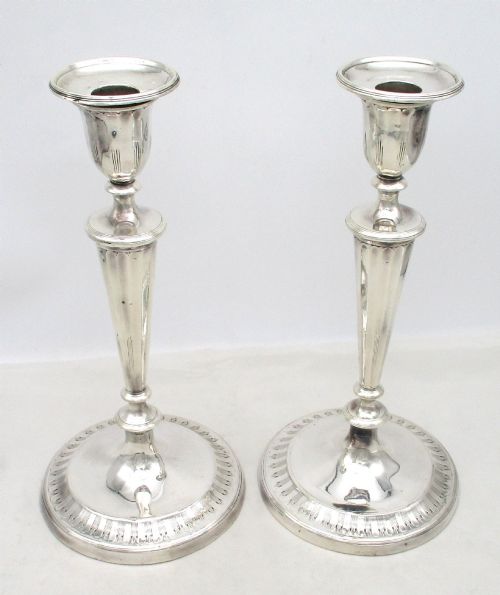
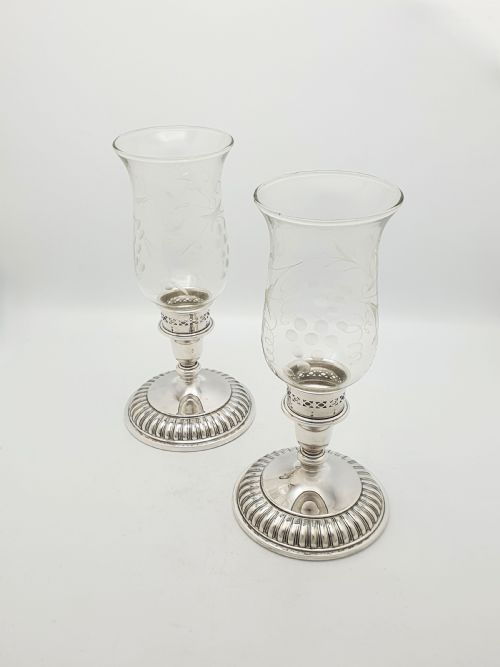
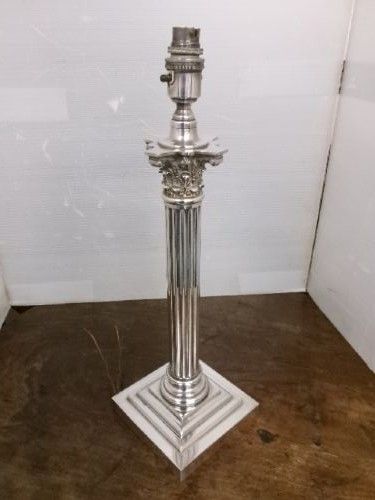
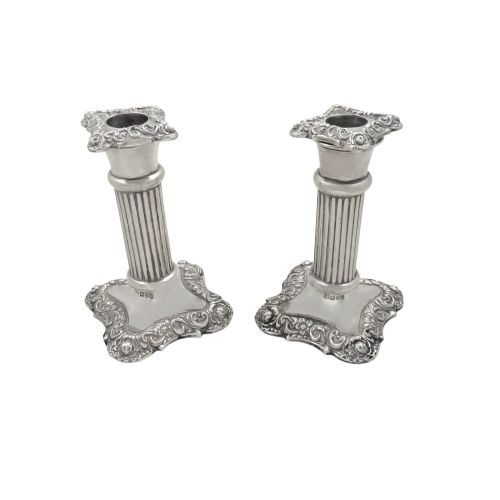
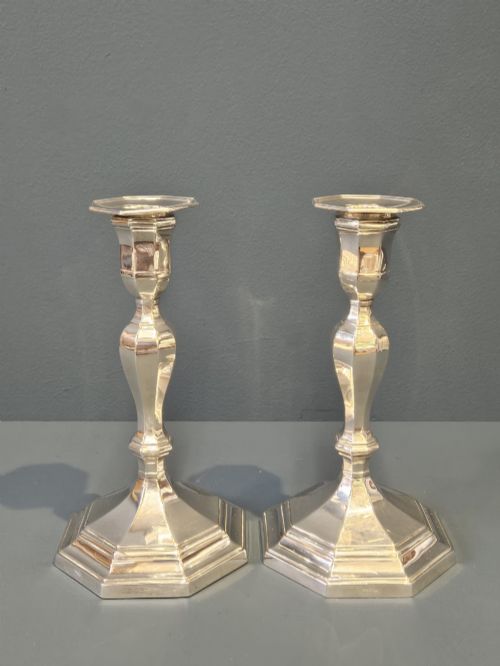
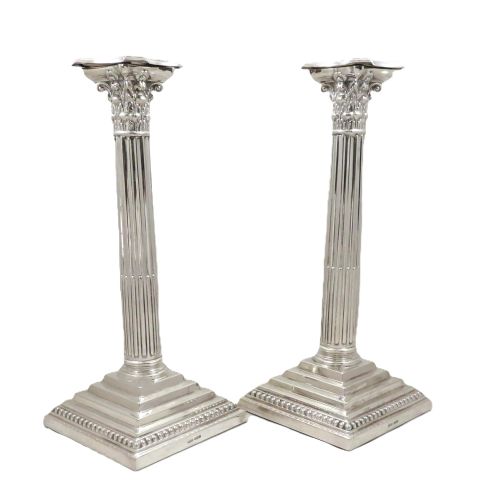
Vintage silver candlesticks encompass paired and single lighting supports formed in sterling silver, silver plate, and electroplated nickel silver. These pieces appear across multiple historical periods, ranging from the Georgian era and Victorian times through to the early twentieth century and later decades.
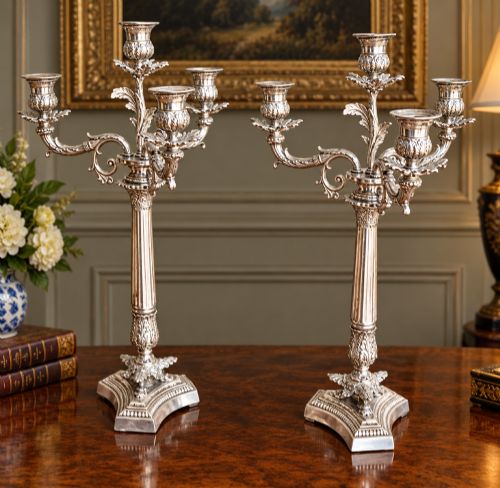
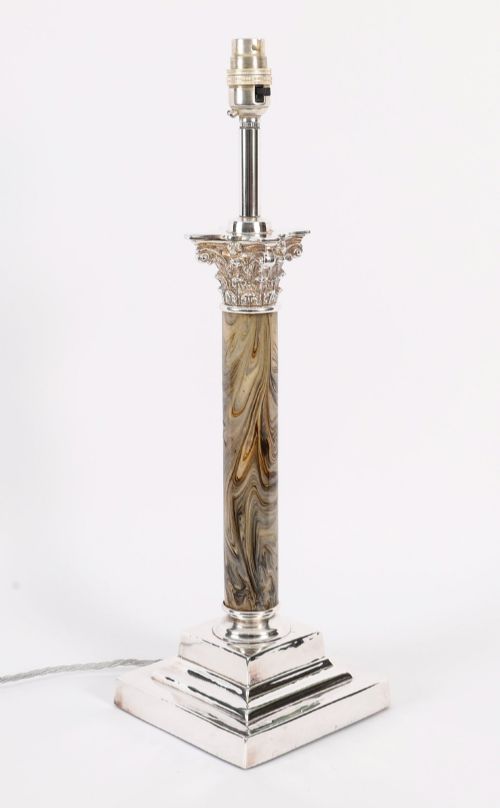
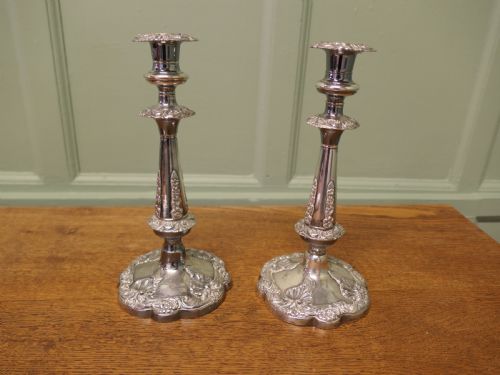
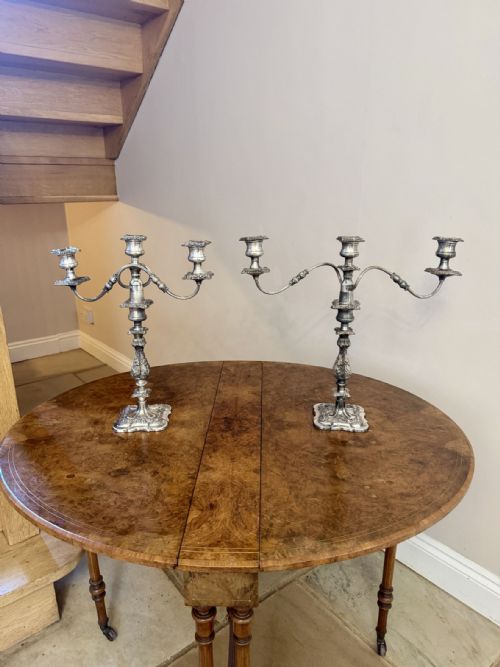
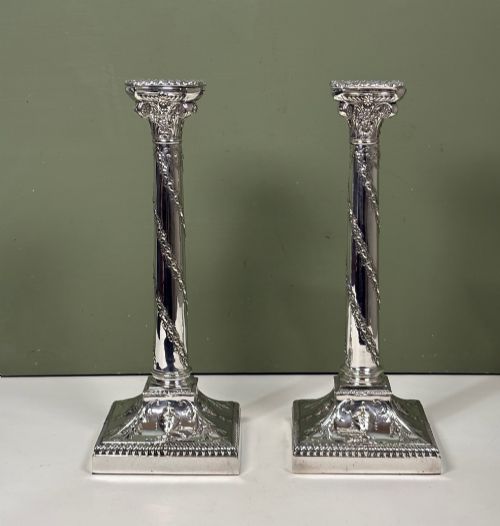
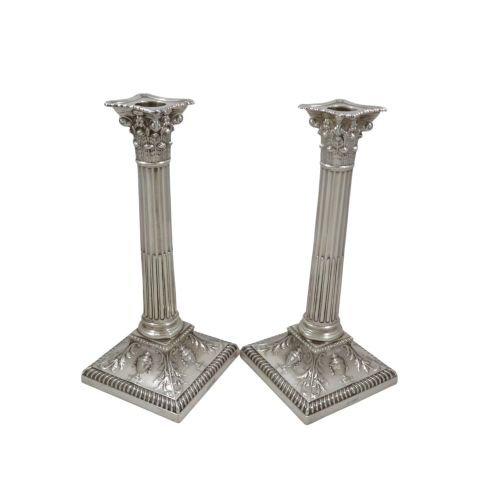
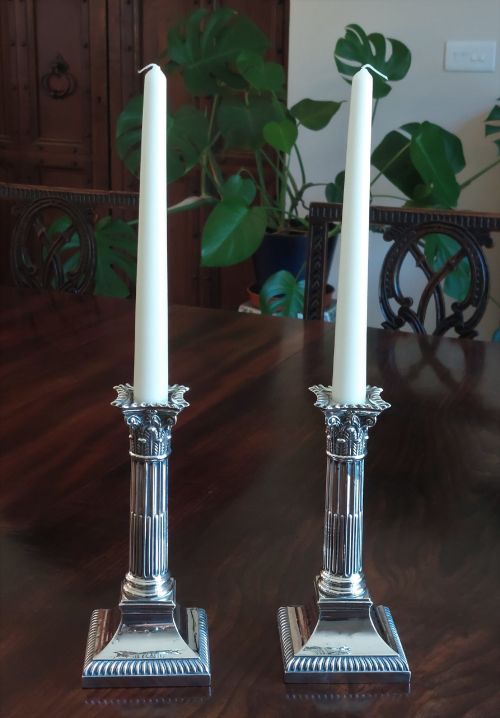
The selections on this page most commonly present as matched pairs designed to hold standard taper candles. Forms range from simple column designs to more elaborate multi-light candelabras and pieces displaying distinct revival ornamentation.
Origin points span domestic British makers and continental workshops, incorporating both hallmarked sterling pieces and plated alternatives. Buyers encounter varied stylistic influences, including Neoclassical Revival and Rococo Revival interpretations executed in solid metal or plated substrates.
How they were made
Construction methods rely heavily on the working properties of sterling silver, silver plate, and EPNS. Metal is shaped through casting, spinning, and soldering, often incorporating weighted bases to provide stability for upright display.
Surface decoration is achieved through chasing, embossing, and applied cast details such as rams' heads or rococo scrolls. Plated items utilise a base of nickel silver or other metals that receive an electrochemically bonded coating of silver.
Retail Price Guide 2026
Typical UK retail prices for vintage silver candlesticks, calculated from the Sellingantiques database of over a million retail prices indexed since 2003. This retail price guide relies exclusively on Sellingantiques data; no external sources or auction records are used, so the figures do not describe the wider market.
Rams' heads peer out from some designs, keeping a watchful gaze over the dinner table.
What varies in quality
Quality differences rest primarily in the gauge of the metal and the crispness of the cast ornamentation. Heavy cast pieces display sharper relief in decorative motifs and greater structural integrity than thinner, spun metal examples.
The integrity of the surface plating and the clarity of maker marks or hallmarks further separate standard production items from finer workshop output. Original weighted bases and well-preserved structural joins distinguish the better survivors.
Mappin & Webb·Garrard & Co Ltd·Harrods
The Vintage Silver Candlesticks Glossary
- Sterling Silver
- A standard alloy consisting of 92.5 percent silver by weight, combined with other metals to increase durability. This material receives official hallmarks when tested at an assay office.
- Silver Plate
- A base metal substrate coated with a thin layer of pure silver. This method offered a brighter appearance at a lower cost than solid metal alternatives.
- EPNS
- Electroplated Nickel Silver forms a common base for plated wares. The nickel-copper-zinc alloy receives an electrolytic silver coating.
- Rococo Revival
- A nineteenth-century design style drawing on mid-eighteenth-century French aesthetics. Pieces feature asymmetrical scrolls, shell motifs, and naturalistic floral detailing.
- Neoclassical Revival
- A style inspired by classical Greek and Roman architecture and art. Characteristics include clean vertical columns, urn shapes, and symmetrical geometric friezes.
Frequently Asked Questions
How do I clean vintage silver candlesticks?
Maintenance requires a soft cloth and a gentle, non-abrasive silver cleaner formulated to remove tarnish without stripping thin plating layers. Regular dusting helps prevent heavy oxidation from forming in detailed crevices.
Avoid harsh dips or abrasive scrubbing pads, particularly on plated items where the underlying base metal might become exposed through aggressive polishing.
Are these pieces made of solid silver?
Material composition varies between sterling silver and silver-plated options such as EPNS or standard silver plate. Hallmarks stamped into the metal usually indicate solid sterling standard, while other pieces rely on plated base metals.
Many examples also incorporate weighted interior bases filled with resin or plaster to ensure stability while holding candles upright.
How can I tell the period of a candlestick?
Dating relies on a combination of stylistic markers, manufacturing techniques, and official assay hallmarks where present. Georgian and Victorian pieces show distinct hand-finished details and specific structural proportions.
Twentieth-century items often reflect revival movements like Rococo or Neoclassical styles while employing twentieth-century machine fabrication methods.
Can I use standard candles in these?
Most vintage candlesticks accommodate standard taper candles, though variations in nozzle diameters occur across different periods and origins. Slight trimming of the candle base may be necessary for a secure vertical fit.
Using fitted drip protectors prevents melted wax from contacting the silver surface, which simplifies subsequent cleaning and protects the metal.