
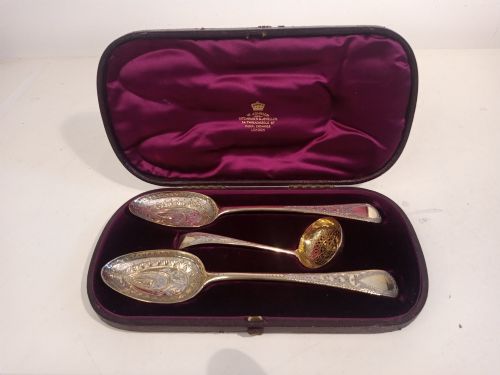


Silver Sugar Ladle
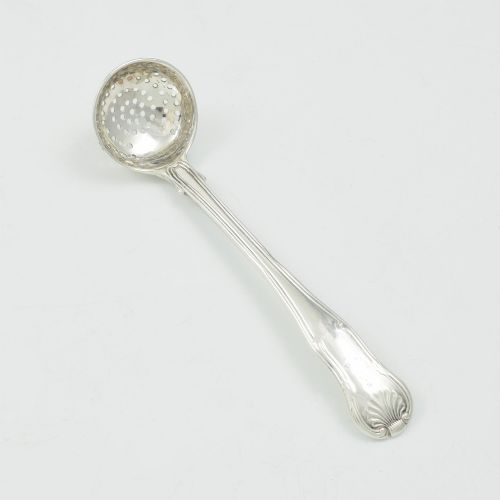
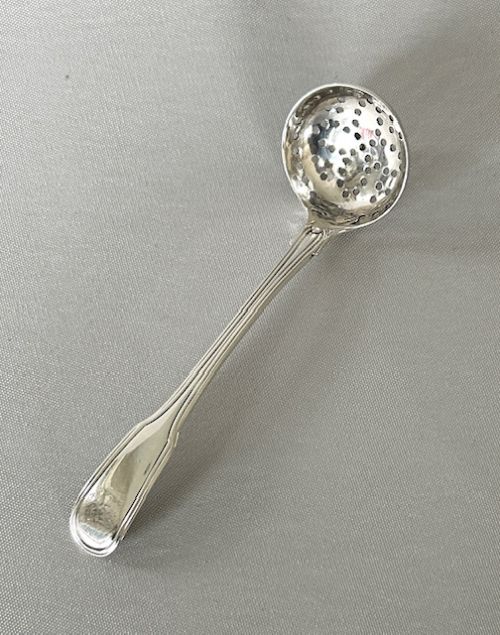
A silver sugar ladle is a small, pierced spoon designed for casting sugar, and you want one for its fine handwork and period elegance.
Silver Sugar Ladle
When you search for a silver sugar ladle, you encounter a specialised form of serveware intended for dispensing loose sugar over fruit or desserts. These pieces appear frequently as sugar sifter spoons, spice sifter spoons, and strainer ladles across various historical eras.
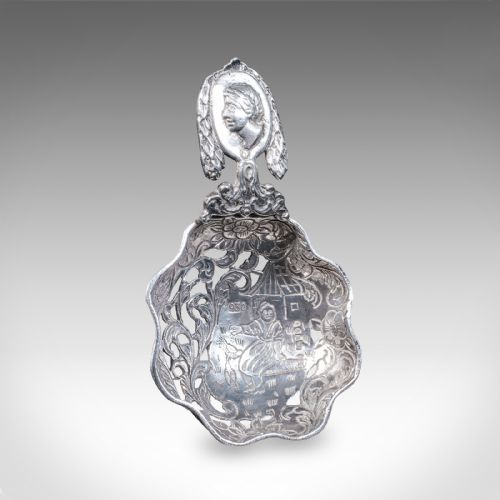
The selections on this page span the Georgian, Victorian, and 1900 periods, alongside earlier 18th century examples. Forms range from Onslow pattern scallop shell designs and King's Hourglass styles to Swedish Art Nouveau and French Restoration pieces.
You also discover matched sets, such as a Victorian silver sugar bowl paired with a sifter spoon, or boxed cream and sugar sifter ladle sets. These objects represent both domestic utility and refined dining traditions from past centuries.
Materials and construction techniques
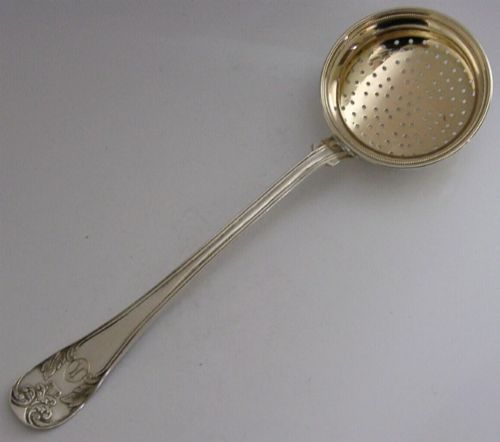
Makers shaped these items primarily from sterling silver, solid silver, and silver-gilt, utilising metalworking methods suited to detailed flatware and hollowware. Selected examples feature gilt finishes or delicate piercing work across the bowl to form the sifter pattern.
Production methods involved traditional silversmithing techniques, including casting and hand-engraving, evident in pieces like fully cast Victorian ladles and feather edge designs. Presentation boxes sometimes incorporated interior linings of velvet and silk to house the spoons securely.
Differentiating quality across the range
Quality in a silver sugar ladle rests upon the crispness of the piercing, the weight of the metal, and the preservation of original hallmarks and engraving. Pieces featuring fully cast bowls or distinctive decorative motifs such as shell shapes and import hallmarks display greater artistic ambition.
Condition and completeness also define the upper tier, particularly when items survive within their original velvet and silk lined presentation boxes or as part of documented sets alongside sugar bowls and cream stands.
The Silver Sugar Ladle Glossary
- Sterling silver
- A standard alloy consisting of a high proportion of pure silver combined with other metals for durability. This material forms the primary body of most listed flatware and serving spoons.
- Silver-gilt
- Silver that has been coated with a thin layer of gold on its surface. This technique provides a rich two-tone appearance, seen on specific Arts & Crafts sifter spoons.
- Sifter spoon
- A ladle featuring a pierced or slotted bowl designed to sprinkle powdered sugar or spices while leaving larger lumps behind. These utensils were essential components of formal tea and dessert services.
- Onslow pattern
- A specific historical handle design characterised by a distinct scroll and shell terminal end. This decorative motif appears on early George III examples.
- Import hallmarks
- Official stamp marks applied to foreign items brought into the country to certify metal purity. These marks help identify pieces originating from makers abroad.
Silver Sugar Ladle: Frequently Asked Questions
What is a silver sugar ladle used for?
A silver sugar ladle was utilised at the dining table or tea service to transfer loose sugar from a bowl to a cup or plate. The pierced bowl allowed excess granules to fall back into the container.
Over time, these spoons adapted to serve fine spices and castor sugar, becoming central items in silver flatware collections.
How do I identify a Georgian silver sifter spoon?
Georgian silver sifter spoons date from the reigns of the Kings George, spanning the eighteenth and early nineteenth centuries. They frequently exhibit classic motifs like feather edges, shell bowls, or the Onslow pattern.
Examining the stamped hallmarks on the reverse of the handle reveals the specific assay office and year of production.
What is the difference between silver and silver plate?
Solid silver or sterling silver items consist of precious metal all the way through their structure. Silver-plated pieces feature a thin layer of silver bonded over a base metal core.
Hallmarks on solid silver indicate metal purity, whereas plated items often carry different manufacturer marks.
How should I clean my antique silver ladle?
Antique silver requires gentle maintenance using a specialist silver cloth or mild, non-abrasive polish to preserve the original patina. Avoid harsh chemical dips that strip away historical detail and aged depth from the engraved decoration.
Regular, careful dusting helps maintain the surface without wearing down delicate pierced work on the bowl.