
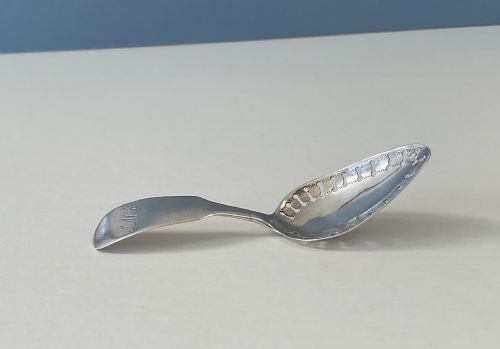


Georgian Pierced Spoon
These georgian pierced spoon examples bring delicate silverwork and careful craftsmanship to the table.
Georgian Pierced Spoon
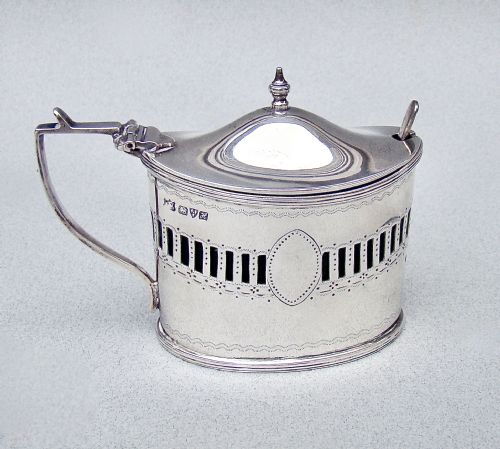
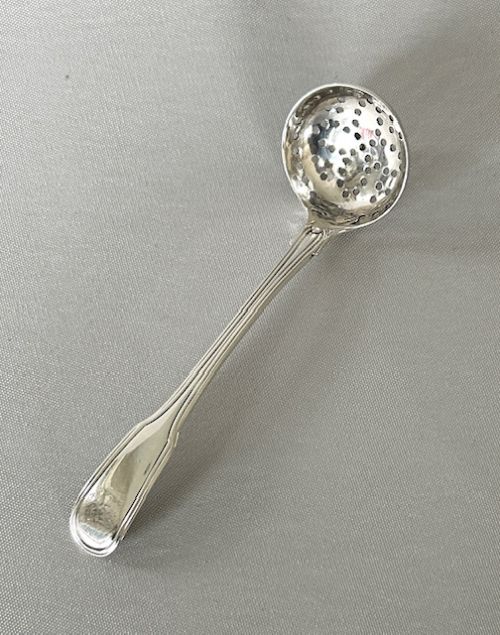
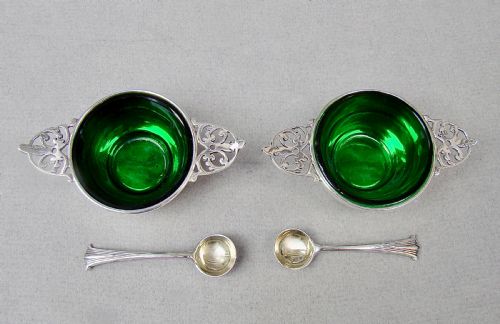
The versions most frequently met on this page include sterling silver caddy spoons and spice sifters dating from the georgian period alongside later revival pieces. Collectors encounter various regional marks and specialised forms, from boat-shaped salt cellars to tea caddy spoons with finely pierced hearts and geometric bowls.
What varies in quality
The fineness of the pierced work sets superior examples apart, where the metalcutter executed intricate patterns with absolute precision and symmetry. Crispness in the hallmarks and the preservation of original engraving depth indicate an untouched piece of high execution.
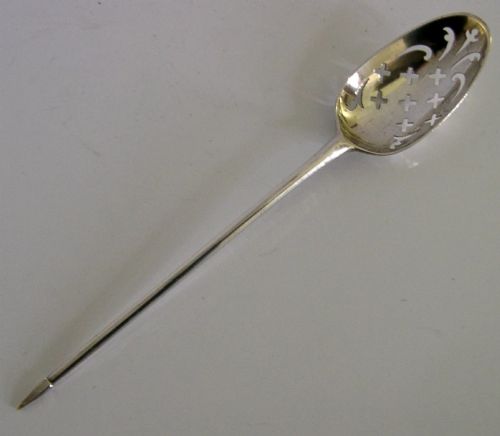
The weight of the sterling silver and the balance in the hand distinguish better workshop output from standard utility wares. Subtle details, such as fancy backs on mote spoons or unusual heart-shaped piercings, elevate the distinction of individual items.
Tiny pierced hearts peek out from eighteenth-century tea caddy spoons designed to sweeten afternoon gatherings.
Alfred Marston·Josiah Williams And Co·Jeremiah Lee·Charles Stuart Harris·Wallis
The Georgian Pierced Spoon Glossary
- Mote spoon
- A narrow utensil used in the eighteenth century to skim stray tea leaves from the surface of brewed tea, featuring a pierced bowl and a pointed tail.
- Caddy spoon
- A short-handled scoop designed for measuring dry tea leaves from a caddy into the teapot.
- Sifter spoon
- A flatware piece with a perforated bowl intended for dusting sugar or spices over food and beverages.
- Hallmark
- A series of official stamps applied to precious metals indicating the standard of purity, the assay office, the maker, and the year of manufacture.
- Treen
- Small handmade wooden household objects fashioned by turning on a lathe or through hand-carving.
Georgian Pierced Spoon: Frequently Asked Questions
What was a georgian pierced spoon used for?
These spoons served specific culinary duties, primarily measuring tea from caddies or sifting fine sugar and spices onto dishes. The pierced bowls allowed liquids or excess powders to drain away effectively during use.
Smaller examples belonged to tea service equipment, while larger straining spoons managed gravies and liquids at the dining table.
How do I identify a georgian piece?
Examination of the hallmarks stamped on the silver provides the most reliable date and origin, indicating the assay office and year cycle. Stylistic markers such as old english pattern handles and hand-pierced bowl designs also point to the period.
Matching the maker's mark against historical records confirms the exact timeframe of production.
How should I display a caddy spoon?
Caddy spoons suit shallow cabinet displays or specialised flatware trays where their detailed bowls remain visible. Keeping them away from direct heat and moisture preserves the finish of the sterling silver.
Handling them gently prevents undue wear on the delicate pierced metalwork.