

Antique Silver Utensil
An antique silver utensil handles everything from asparagus to soup, bringing historic craft and functional weight to the modern table.
Antique Silver Utensil
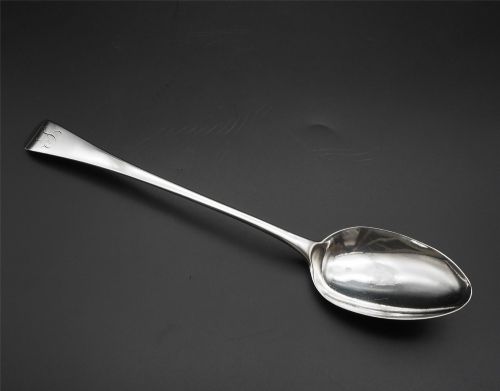
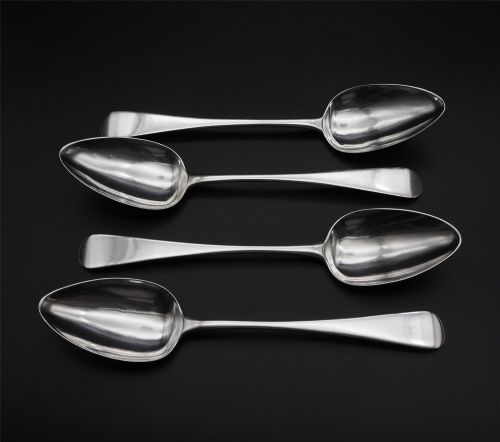
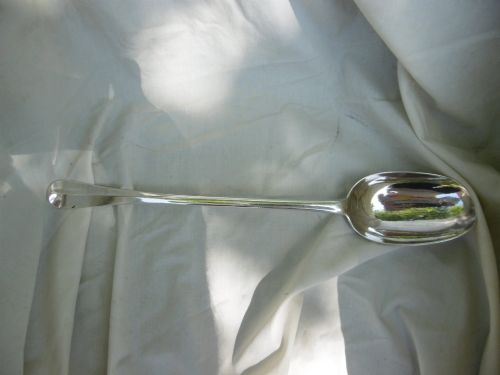
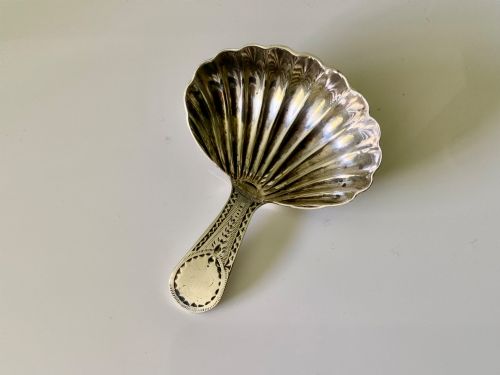
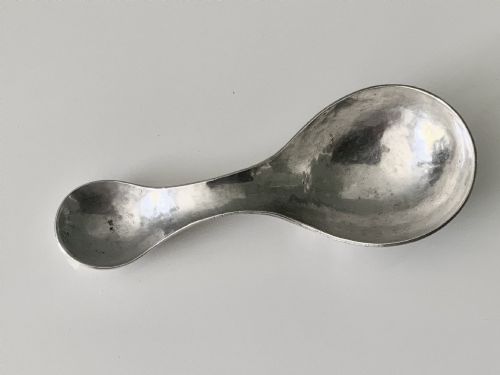
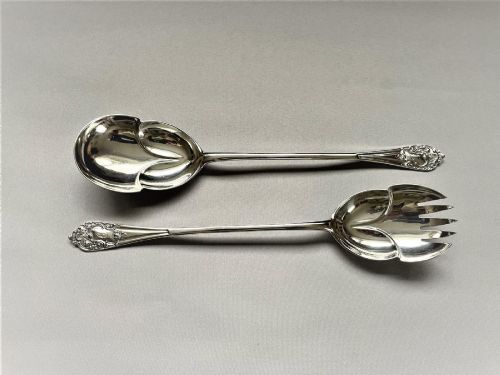
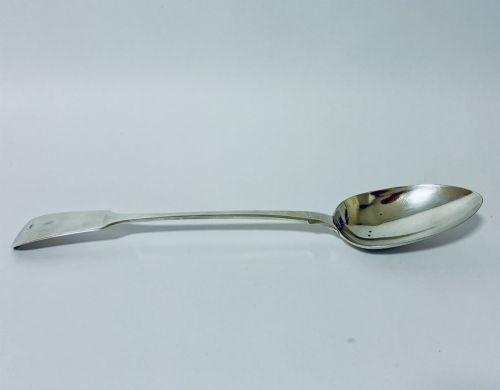
An antique silver utensil encompasses serving spoons, fish slices, grape shears, and marrow scoops spanning from the eighteenth century through the twentieth century.
The material record includes sterling silver alongside silver plate, with specific designs appearing across Georgian, Victorian, and Edwardian periods.
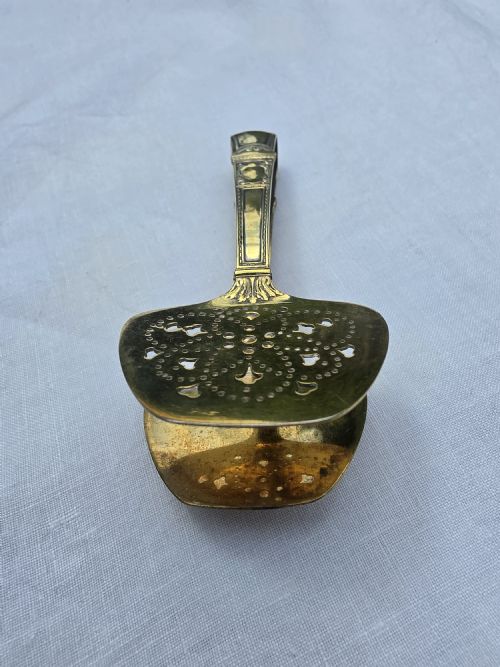
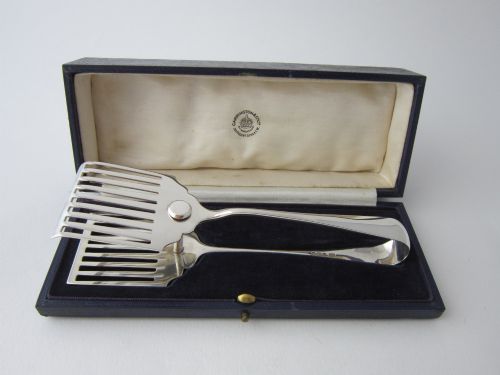
Buyers encounter specialised implements like caddy spoons, lobster picks, and asparagus tongs alongside broader flatware and cutlery sets.
Materials and Technique
Makers utilised sterling silver and silver plate, frequently combining the metal with steel for cutting edges or pairing handles with mother of pearl.
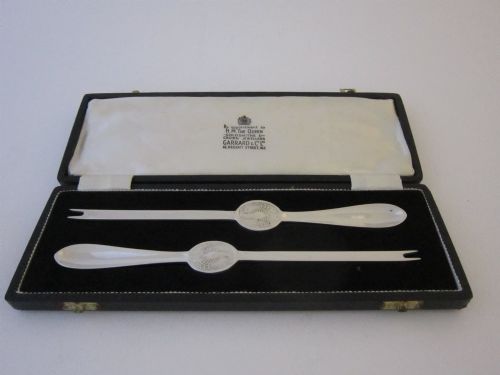
Presentation pieces often incorporate fitted cases lined with materials such as velvet, leather, and silk to protect the metalwork.
Construction methods range from cast and chased sterling elements to soldered assemblies and fitted handles.
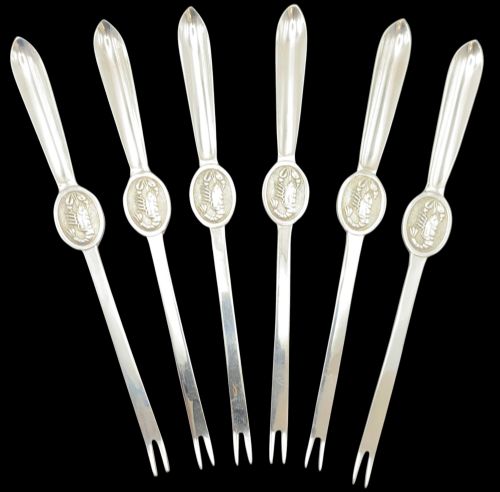
Victorian diners required dedicated silver picks just to extract every last morsel from a lobster claw.
Judging Quality
Quality rests upon the crispness of chased decoration, the balance of the weight in the hand, and the integrity of any applied crests or engraving.
Pces showing substantial gauge metal and intact original cases demonstrate superior execution compared to lighter, thinner examples.
The precision of the maker's mark and the clarity of hallmarks anchor the standard of execution across different centuries.
Henry Wilkinson·Andrew Archer·Tiffany and Company·Hamilton and Inches·William Devenport·Georg Jensen·Hester Bateman·Jonathan Hayne·Garrard
The Antique Silver Utensil Glossary
- Sterling silver
- A silver alloy containing 92.5 percent pure silver by mass, forming the primary metal standard for these pieces. British pieces carry hallmarks confirming this standard.
- Silver plate
- A base metal substrate covered with a thin layer of silver, offering an alternative finish seen in various twentieth-century items.
- Marrow scoop
- A narrow, elongated utensil designed originally for extracting bone marrow, featuring shallow troughs at each end. These double-ended implements appear frequently in Georgian periods.
- Grape shears
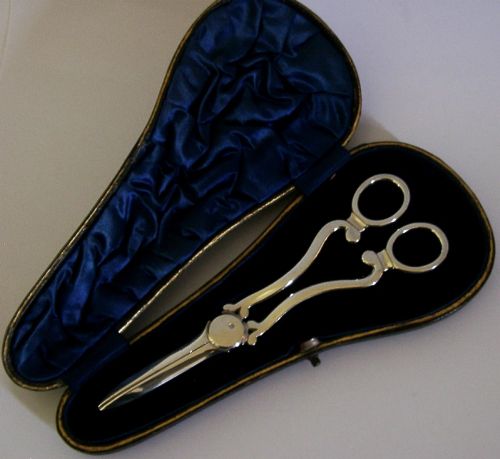
- Specialised scissors intended for cutting fruit at the table, often featuring decorated handles and sturdy blades. Edwardian examples frequently survive in fitted cases.
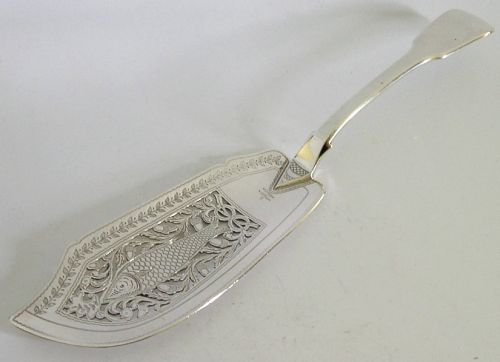
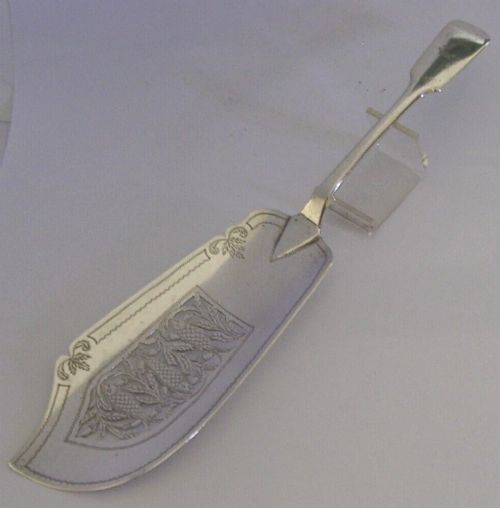
- Fish slice
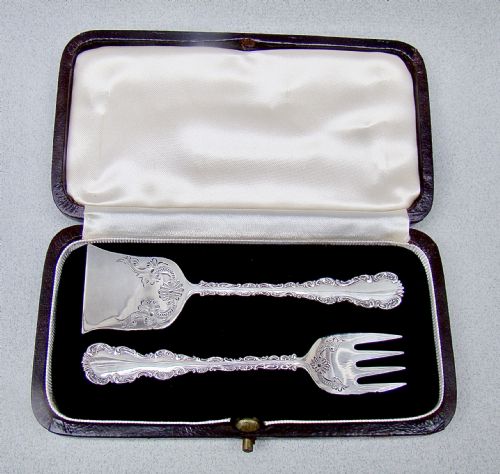
- A broad, flat utensil used for serving fish, frequently pierced or engraved with floral and aquatic motifs. These blades demonstrate the decorative capacity of nineteenth-century silversmiths.
Antique Silver Utensil: Frequently Asked Questions
How do I clean an antique silver utensil?
Wash the piece gently in warm soapy water using a soft cloth, avoiding harsh abrasives that damage the historic surface.
Dry the metal thoroughly with a lint-free towel to prevent water spots and preserve the natural finish.
Can I use these utensils for dining today?
Many solid sterling silver items remain entirely functional for modern meals, from serving spoons to cheese scoops.
Pieces with delicate handles or silver plate benefit from careful hand washing rather than automated dishwashers.
What is a marrow scoop used for?
Historical dining involved extracting marrow from bones using the narrow dual-trough design of these specific implements.
Today they function as collectors' items or specialised serving pieces for butter and soft condiments.
How do I identify the date of a piece?
British hallmarks stamped directly into the silver provide assay office symbols, date letters, and maker marks.
Matching these punch marks to official records reveals the exact year and city of manufacture.