







Early Georgian Silver
Early georgian silver carries the heavy weight and crisp hand-hammered surfaces of the early eighteenth century, made for serious dining and tea.
Identifying early georgian silver
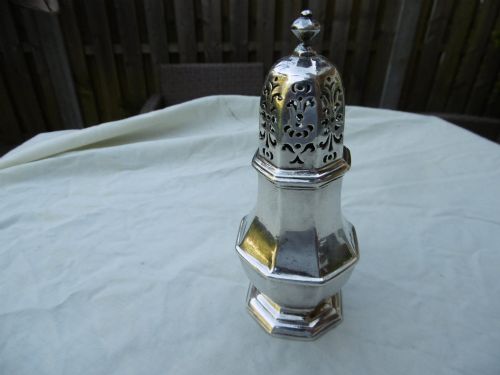
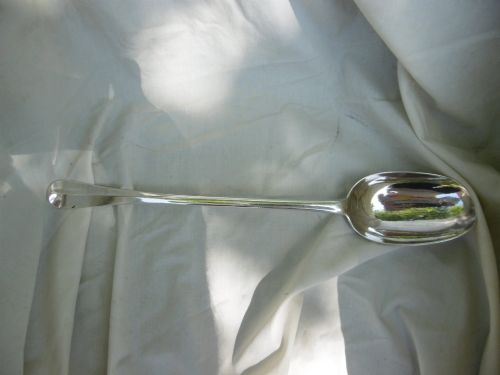
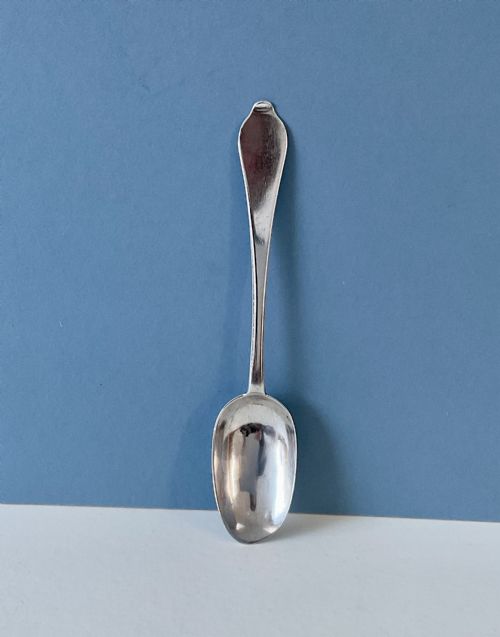
Early georgian silver encompasses dining table wares, tea accessories, and flatware produced during the reigns of the first two Georges and into the middle of the eighteenth century. You will frequently encounter serving spoons, hash spoons, and casters, alongside sugar nips.
The objects span the George I and Georgian styles, reflecting the transition from plain, heavy-gauge sheet metal towards more ornamented domestic silver. Pieces bear hallmarks from the early seventeen-hundreds through to mid-century, capturing the domestic routines of the period.
While some pieces serve ceremonial or display functions, the majority were made for daily household use at the dining table or tea board. Their survival in sterling silver demonstrates the durability of early eighteenth-century plate.
Materials and construction
Every piece recorded uses sterling silver, worked by hammering, raising, and casting into functional forms like castors, spoons, and nips. Smiths utilised heavy gauges of metal to achieve structural rigidity without relying on internal framing.
Makers shaped the silver while managing the heat of the forge, often reinforcing stress points on spoons and handles with thickened junctions. Piercing and chasing appear on specific items like sugar nips and casters to introduce pattern.
Retail Price Guide 2026
Typical UK retail prices for early georgian silver, calculated from the Sellingantiques database of over a million retail prices indexed since 2003. This retail price guide relies exclusively on Sellingantiques data; no external sources or auction records are used, so the figures do not describe the wider market.
The recorded inventory spans sterling silver tableware from the eighteenth century, dominated by spoons, casters, and sugar nips.
Distinguishing quality
Quality rests upon the thickness of the original sterling silver plate and the crispness of the maker's mark struck into the metal. Substantial weight in the hand indicates a piece made without compromise to save bullion.
The clarity of hand-cut piercing and the retention of original surface texture separate superior pieces from those worn flat by centuries of vigorous cleaning. Maker attribution to notable workshops like those of Huguenot silversmiths further elevates a piece.
Andrew Archer·Simon Pantin·Edward Pocock
The Early Georgian Silver Glossary
- Sterling silver
- A standard of silver alloy containing 92.5 percent pure silver and 7.5 percent other metals, usually copper, chosen for durability. This composition defines the legal standard for British plate.
- Castor
- A small perforated vessel used for sprinkling sugar or spices over food or drinks. These sit on a moulded foot with a pierced push-on cover.
- Sugar nips
- A spring-action utensil used for cutting and lifting lumps of sugar from a loaf before the invention of refined sugar cubes. They feature delicate scissor-like handles terminating in small bowls.
- Hash spoon
- An oversized serving spoon designed for portioning thick stews and hashes at the table. These measure significantly longer than standard dining spoons.
- Hallmark
- A series of official stamps struck into precious metals to guarantee the purity, origin, and maker. They provide the primary evidence for dating eighteenth-century silver.
Frequently Asked Questions
What is early georgian silver?
Early georgian silver refers to sterling silver domestic objects, flatware, and table vessels made during the first half of the eighteenth century. These pieces reflect the functional requirements of dining and tea service in elite households.
The category includes heavy hash spoons, casters, and sugar nips bearing marks from the reigns of George I and George II. They are distinguished by substantial weight and plain, robust forms.
How do I date these pieces?
Dating relies entirely on the hallmarks struck directly into the sterling silver by the assay office. These stamps indicate the year of testing, the maker's mark, and the standard of the metal.
Stylistic cues, such as the heavy ribbed rat-tail on early spoons or the strapwork engraving on casters, also help narrow down the decade of manufacture.
Were these items used daily?
Yes, the majority of these silver objects served practical functions at the dining table and the tea table. Spoons portioned food, casters dispensed sugar, and nips managed sugar loaves.
Despite frequent handling and cleaning over three centuries, the thick gauge of the sterling silver allowed them to survive heavy domestic service.
Who made early georgian silver?
Silversmiths working within established urban guilds produced these pieces, often operating small workshops in London. Master craftsmen stamped their unique maker's marks onto the metal before submitting the work for assay.
Notable immigrant artisans, including Huguenot refugees, also contributed significantly to the sophistication of British silver design during this era.