
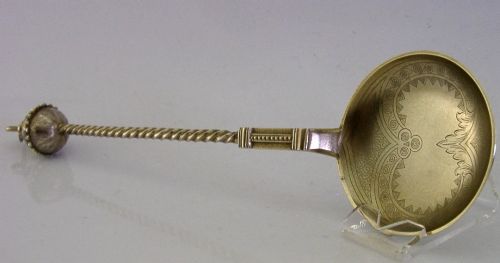
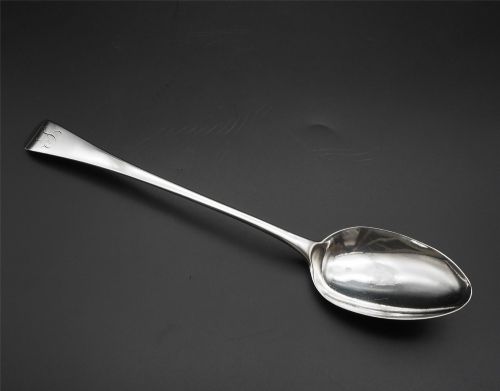
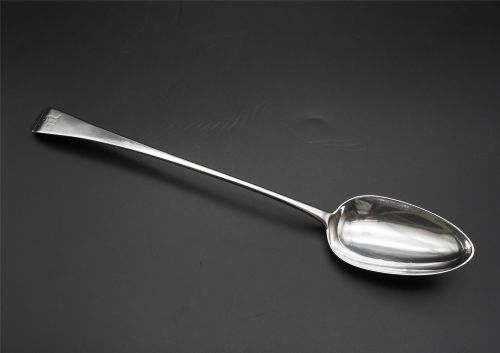
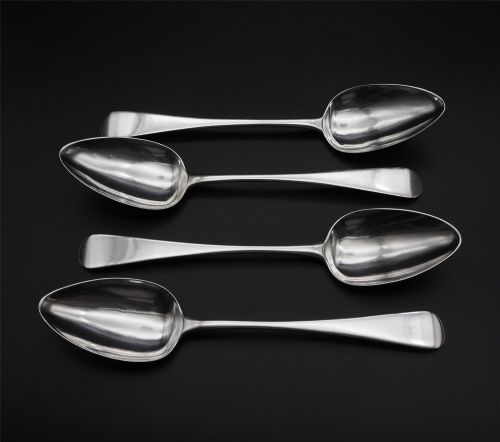
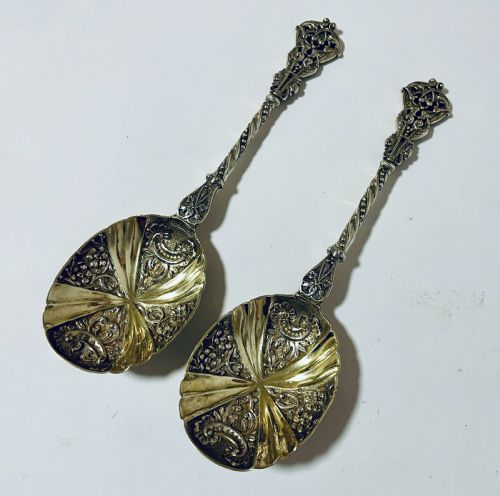


Large Silver Spoon
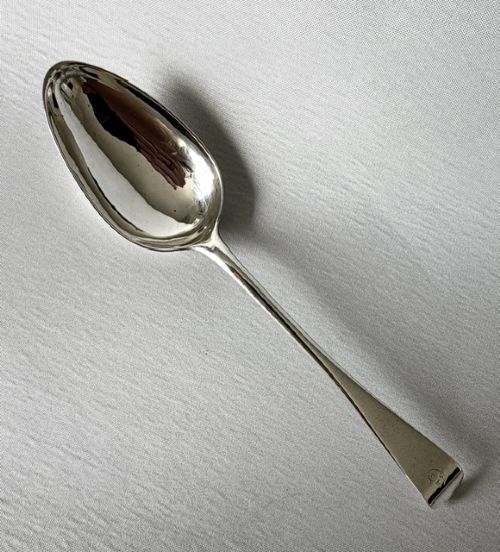
A large silver spoon brings considerable weight and historical craft to the dining table or cabinet, serving purposes from basting to ceremonial display.
Large Silver Spoon
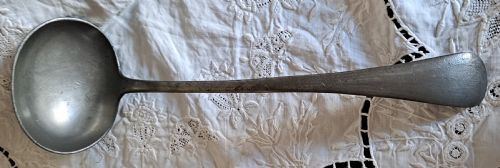
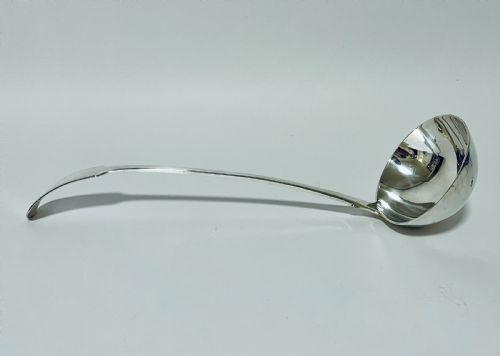
A large silver spoon encompasses various forms designed for heavy domestic and ceremonial use, most notably basting, serving, soup ladling, and hash preparation. Buyers searching for a large silver spoon frequently encounter Georgian and 18th-century examples alongside Victorian, Edwardian, and early 20th-century continental designs.
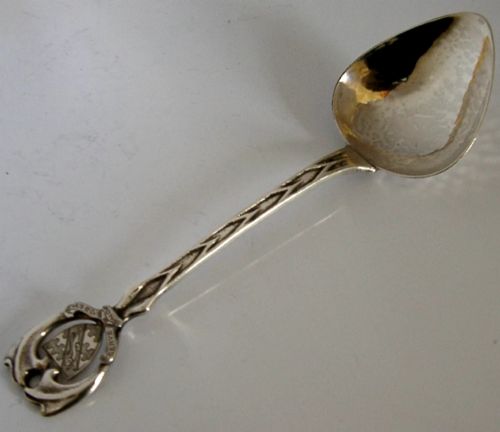
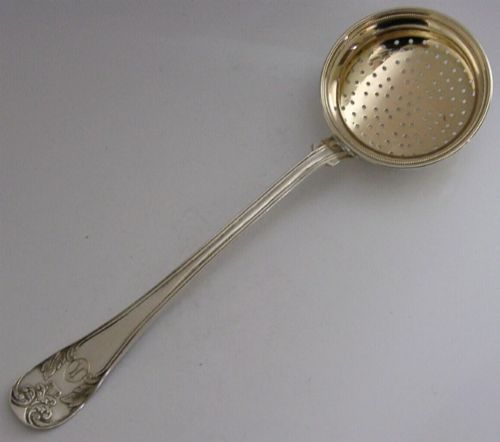
The objects span specialised regional flatware from British provincial towns, Irish workshops, and Scottish makers, as well as Scandinavian and Russian silver-gilt and niello creations. Forms range from plain utilitarian basting spoons to ornate sugar sifters, berry spoons, and commemorative coronation pieces.
How they were made
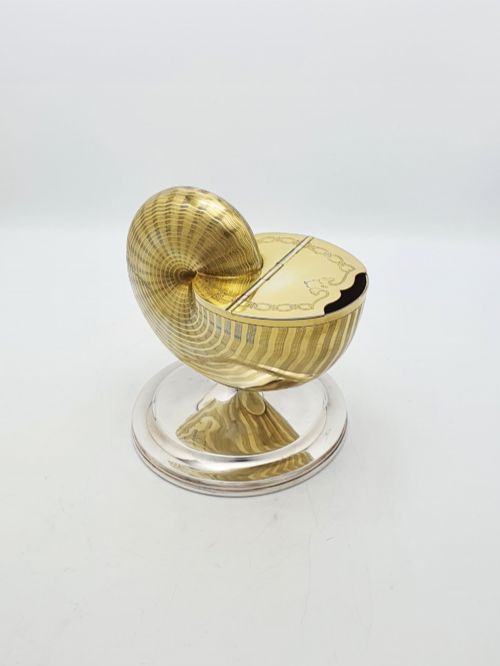
Silversmiths forged these items primarily from solid sterling silver, Britannia standard silver, or regional silver alloys, frequently applying a layer of gold wash known as silver-gilt to bowls and terminals. Pewter and silver plate also appear in utilitarian and warming contexts, while techniques such as hand-hammering, casting, and niello decoration define the surface finishes.
Makers shaped heavy gauge metal through traditional forging and raising methods, reinforcing structural integrity in long handles designed for deep vessels. Decorative elements like engraved crests, threaded borders, pierced bowls, and cast finials were meticulously hand-applied or chased directly into the metal.
Object forms span serving spoons, soup ladles, sugar sifters, hash spoons, and specialised christening sets.
What varies in quality
The caliber of a large silver spoon depends heavily on the thickness and weight of the metal relative to its length, ensuring balance and resistance to bending during heavy use. Superior examples display crisp, unrubbed hallmarks, sharp hand-engraved crests, and well-defined chasing or piercing that has not suffered from excessive polishing.
Authorship and provenance elevate certain items, with documented makers, provincial rarity, and specialised forms like hook-end basting spoons or early rat-tail designs commanding greater interest. The integrity of original gilding and the precision of applied decorative motifs further distinguish master silversmith output from standard commercial production.
Andrew Archer·John Yates·John Craig·William Scarlett·John Wilks·Robert Gordon·Oliver Barker·Mary Chawner·Georg Jensen·Jamieson and Naughton·John Round·Whiting Co.·Marius Hammer·Evald Nielsen·John Harris IV
The Large Silver Spoon Glossary
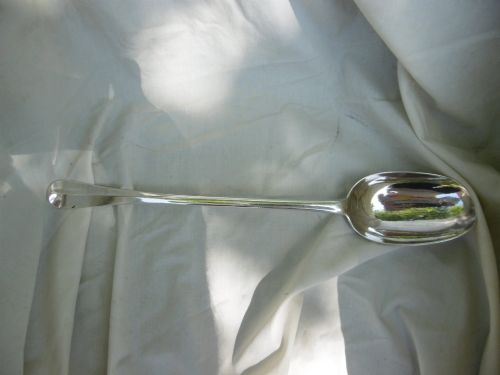
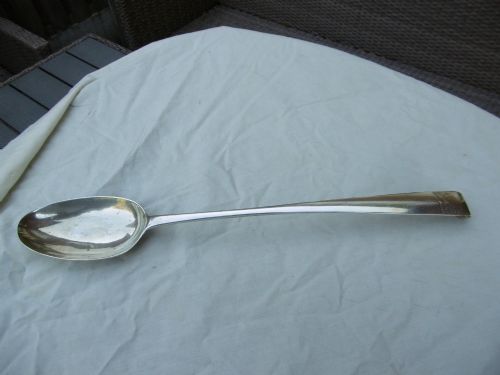
- Basting spoon
- A large utensil historically utilised for spooning juices or fat over roasting meat in a pan. These items measure considerably longer than standard table spoons and possess deep bowls.
- Hash spoon
- An exceptionally large spoon designed for serving substantial portions of meat or vegetable stews, commonly produced during the 18th century. They feature robust handles and heavy gauge construction.
- Silver-gilt
- Sterling or solid silver that has been coated with a thin layer of gold through a chemical or electrochemical process. This treatment provides a rich golden interior to bowls while maintaining silver structural strength.
- Niello
- A black metallic alloy of sulphur, silver, lead, and copper used as an inlay on engraved silver surfaces. It creates striking contrasting black patterns against bright metal backgrounds.
- Rat-tail
- A tapered tongue-like extension of the handle base running down the back of the spoon bowl. This structural feature reinforces the joint between handle and bowl on early flatware.
Large Silver Spoon: Frequently Asked Questions
What was a basting spoon used for?
These long utensils allowed cooks to collect pan drippings and ladle them over roasting joints without getting too close to the heat of an open hearth or oven.
Over time, many of these heavy implements transitioned from the kitchen to the dining table for serving large portions of vegetables or meats.
How can I tell an 18th-century spoon from a Victorian one?
Examination of the hallmarks stamped into the metal provides the most reliable date, showing specific London or provincial office symbols and date letters.
Stylistic shifts also help, as 18th-century pieces often display plain bowls and drop-joints, whereas Victorian versions frequently feature elaborate patterns like Queen's pattern or heavy chased decoration.
What is the difference between solid silver and silver-gilt?
Solid silver objects consist entirely of precious metal throughout their entire structure, meeting strict sterling or regional purity standards.
Silver-gilt items share this exact solid silver base, but feature an additional microscopic or thin layer of gold applied to the surface for decorative effect.
How do I safely clean antique silver spoons?
Gentle washing in warm water with mild soap removes everyday dust and oils without harming the antique metal surface.
Harsh abrasive dips or vigorous scrubbing should be avoided to preserve original hallmarks, crisp engraving, and any surviving silver-gilt finishes.