
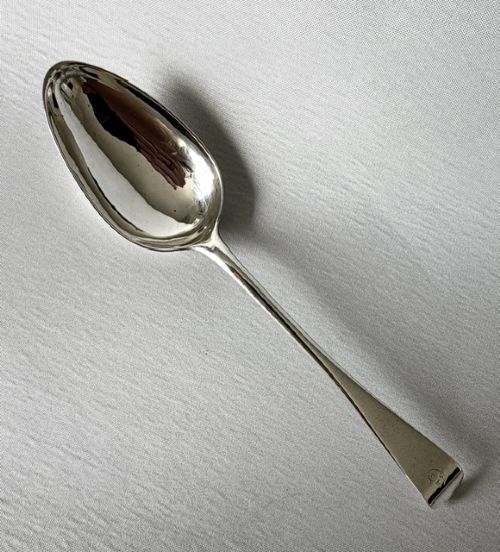
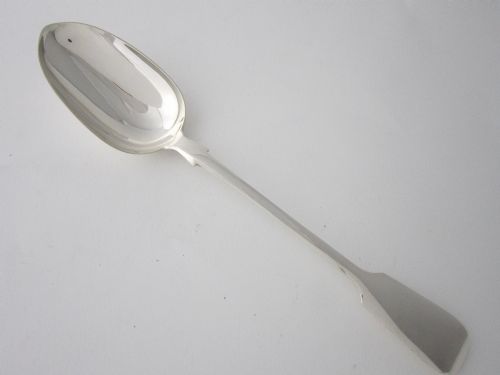
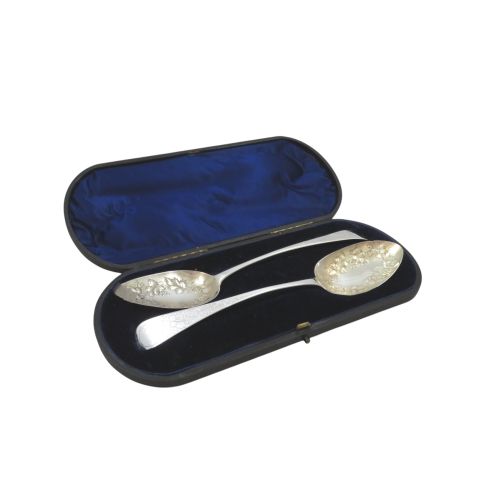
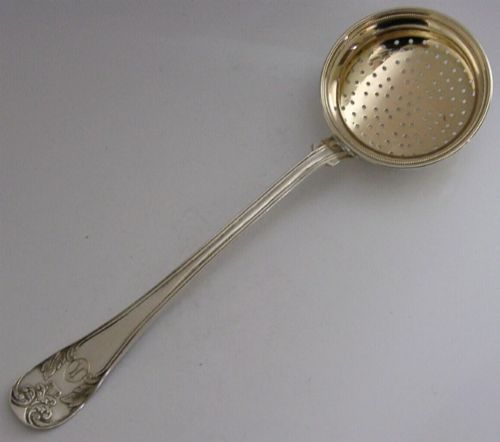


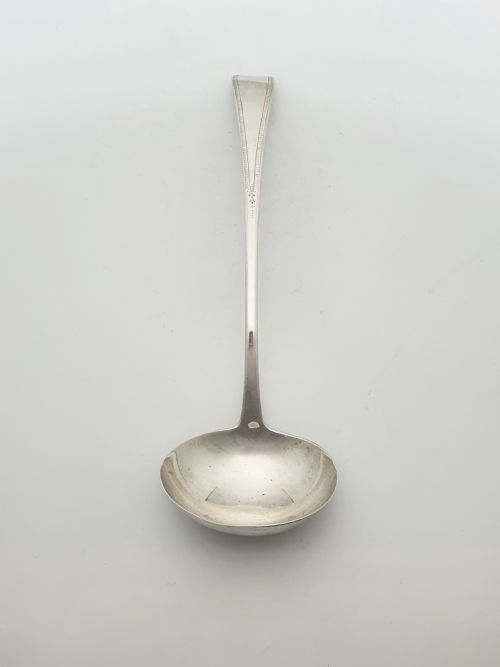
Hallmarked Silver Serving Spoon
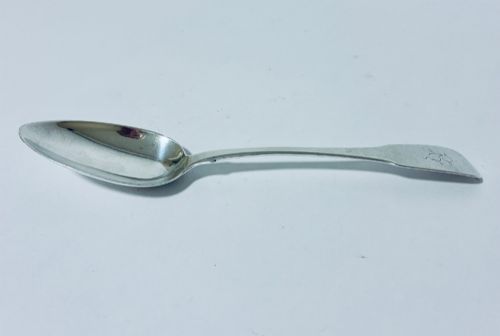
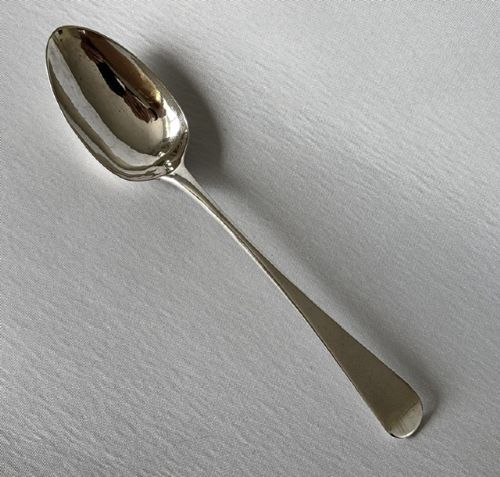
A hallmarked silver serving spoon brings substantial weight and period craftsmanship to the table, making these large utensils essential for formal dining and historic table settings.
Hallmarked Silver Serving Spoon
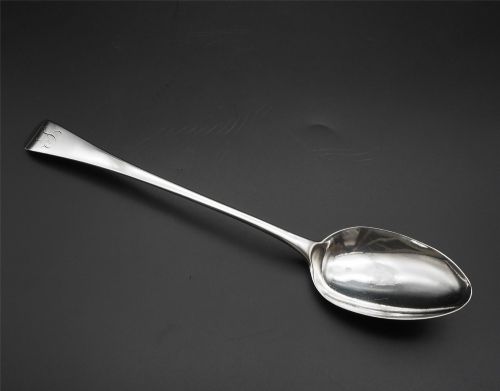
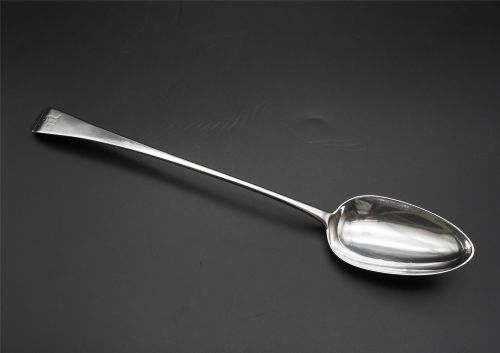
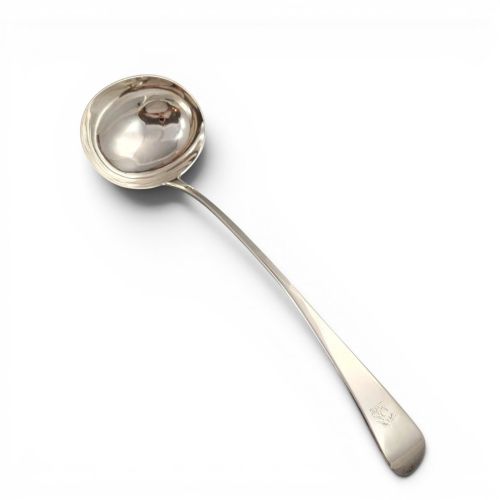
A hallmarked silver serving spoon is a large utensil designed for portions at the dining table, encompassing forms like basting spoons, soup ladles, and berry spoons. Buyers searching for a hallmarked silver serving spoon encounter numerous Georgian examples alongside Victorian, Edwardian, and twentieth-century variations.
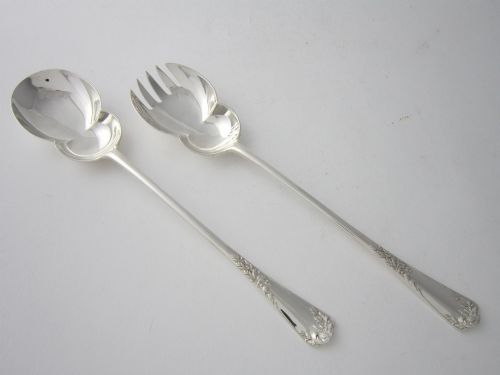
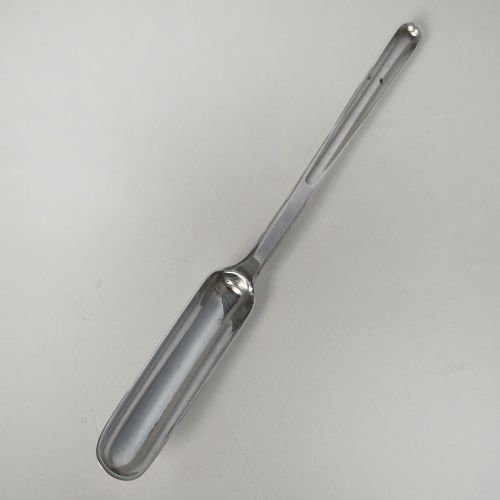
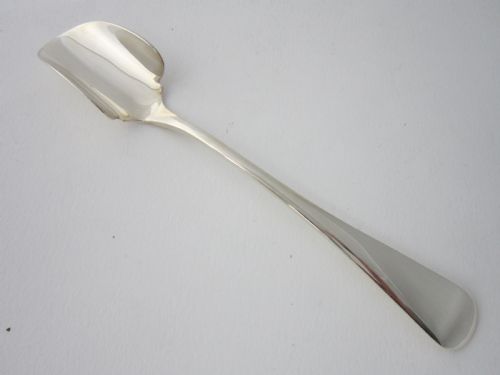
The pieces on this page span diverse regional origins, including English provincial assay offices such as Exeter, York, and Newcastle, as well as Irish and Danish workshops. Forms range from heavy hash spoons and marrow scoops to specialised sugar sifters and cheese scoops.
Most items survive as single pieces, matched pairs, or boxed sets intended for specific serving tasks like salad, gravy, or dessert. These utensils reflect centuries of dining customs, utilising precious metal to denote status and hospitality.
Materials and construction methods
Silversmiths forged these utensils primarily from sterling silver or solid silver, occasionally applying silver gilt, parcel gilt, or vermeil to highlight specific design elements. The metal was hammered and shaped into bowls and handles, then finished with engraved crests, threaded borders, or decorative patterns such as Fiddle and Old English.
Official assay offices stamped each piece with hallmarks denoting the metal standard, city of origin, and date letter. Presentation cases sometimes incorporate supplementary materials such as velvet, silk, or wood to house pairs or sets securely.
Materials across the inventory include sterling silver, silver gilt, vermeil, and parcel gilt, complemented by fitted wooden and silk-lined presentation cases.
Distinctions in quality and execution
Quality rests upon the crispness of the hallmarks, the balance of the utensil in the hand, and the preservation of original engraved crests or decorative chasing. Finer examples retain the intended thickness of the bowl rim without excessive thinning from polishing over the centuries.
Maker attribution elevates a piece, particularly when bearing the mark of recognised silversmiths or provincial towns with scarce output. The integrity of matched pairs and complete original boxed presentations also distinguishes superior specimens.
Peter & Jonathan Bateman·Jonathan Hayne·James Tookey·John Wilks·Hester Bateman·Daniel Cary·J Ladyman·Lee & Wigfull·John Lias·Stephen Adams·Peter and Ann Bateman
The Hallmarked Silver Serving Spoon Glossary
- Hallmark
- Official stamp applied by an assay office to guarantee the purity of precious metal, date the piece, and identify the maker.
- Basting spoon
- A large, long-handled spoon originally used in cooking to spoon juices over roasting meat, later adopted for table service.
- Berry spoon
- A tablespoon or serving spoon subsequently embossed and chased with fruit and foliage designs, a practice popular during the Victorian era.
- Marrow scoop
- A narrow, trough-like utensil designed for extracting marrow from bones, featuring bowls at both ends in various sizes.
- Assay office
- The official body responsible for testing the purity of precious metals and stamping items with appropriate hallmarks.
Hallmarked Silver Serving Spoon: Frequently Asked Questions
What is a hallmarked silver serving spoon used for?
These large utensils served various functions at the historic dining table, from transferring portions of soup, gravy, and vegetables to serving specialised items like fish, berries, and marrow.
Their substantial length and capacity made them distinct from everyday flatware, intended primarily for the host to distribute food from communal dishes.
How do I identify the date of a silver spoon?
Assay office marks include specific date letters corresponding to the year the piece was submitted for testing and stamping.
Style indicators such as Old English or Fiddle patterns also help narrow down the period of manufacture alongside maker's marks.
Are these spoons suitable for daily use?
Solid silver utensils withstand regular dining use provided they receive proper hand washing and careful storage away from corrosive substances.
Many collectors prefer to use them for special occasions, integrating historic silver naturally into modern table settings.
What does a provincial hallmark mean?
Provincial marks indicate that a piece was assayed outside London in regional centres such as Dublin, Edinburgh, Exeter, York, or Newcastle.
These regional marks often add considerable interest for collectors due to the lower production volume of outside assay offices.