



Victorian Fiddle Spoon
These Victorian fiddle spoons bring nineteenth-century dining tables to life, offering solid sterling silver weight and elegant utility that collectors prize.
Victorian Fiddle Spoon
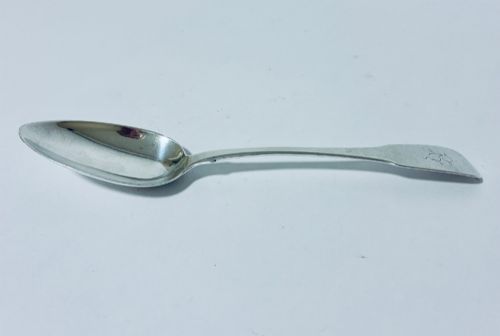
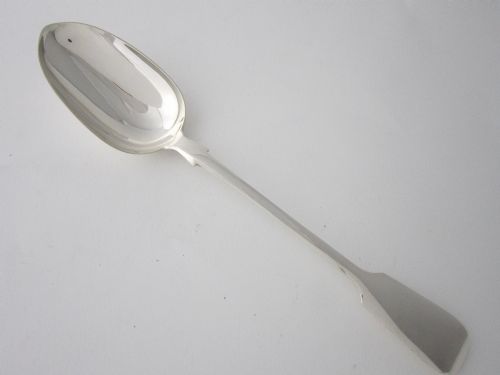
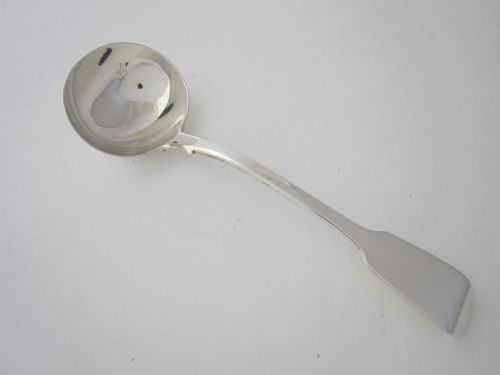
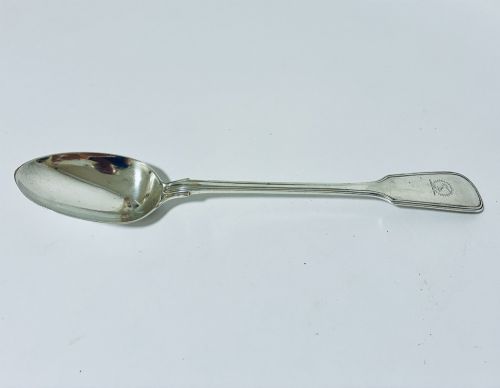
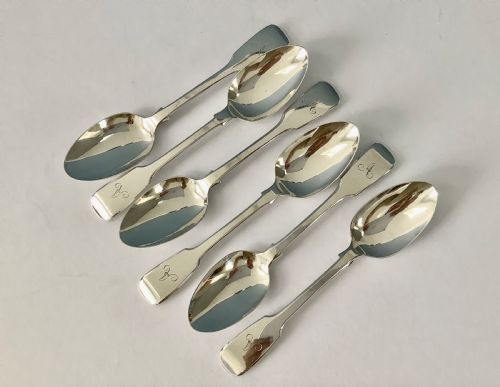
A Victorian fiddle spoon is a piece of nineteenth-century flatware defined by its distinctively shaped stem that broadens near the terminal, resembling a fiddle or violin. These items appear across this page in various forms, from single teaspoons and condiment spoons to large basting and serving spoons.
The evidence shows these objects spanning multiple decades of the nineteenth century, including specific dates such as eighteen-forty-eight, eighteen-fifty-two, and eighteen-seventy. Alongside plain fiddle pattern items, variations featuring thread or shell motifs frequently emerge.
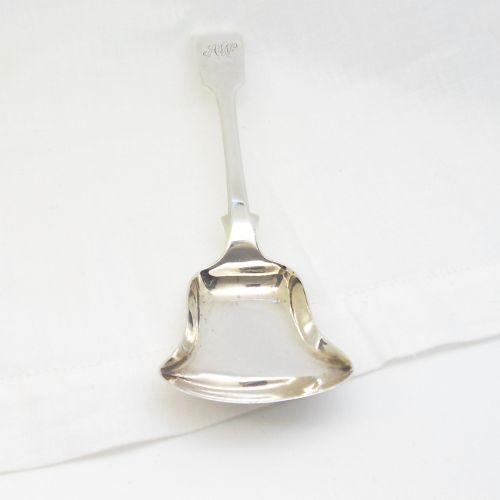
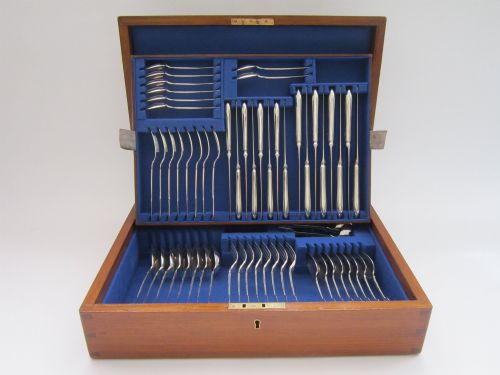
Buyers will encounter both individual items and larger sets, such as cutlery for eight or twelve persons, alongside specialised pieces like sugar shovels, cream ladles, and mustard spoons.
What varies in quality
Quality in these items rests on the crispness of the fiddle profile and the preservation of any secondary decoration, such as thread and shell borders. Pieces that retain clear maker marks and sharp provincial assay stamps command greater interest.
The overall gauge of the silver dictates the heft and balance of the spoon in the hand, separating standard utility flatware from substantial serving pieces and stuffing spoons.
Some mustard spoons measure scarcely longer than a thumb, yet possess the exact fiddle shoulder of a grand stuffing spoon.
John Walton·Chawner and Co·John Smith·Elizabeth Eaton
The Victorian Fiddle Spoon Glossary
- Fiddle pattern
- A nineteenth-century flatware design characterised by a narrow stem that flares outward sharply at the shoulder before expanding toward a squared or notched terminal. This shape became the dominant style for domestic silver spoons throughout the Victorian period.
- Sterling silver
- An alloy consisting of ninety-two point five percent silver and seven point five percent other metals, typically copper, used to ensure strength. British pieces carry hallmark stamps to verify this standard.
- Assay office
- An official body charged with testing the purity of precious metals and stamping items with hallmarks. Provincial offices outside London, such as Exeter or Newcastle, mark regional silver.
- Basting spoon
- A large serving spoon designed for applying juices or sauces to meat during roasting or carving. These represent some of the longest flatware items found in nineteenth-century canteens.
- Caddy spoon
- A short spoon specifically created for measuring dry tea leaves from a caddy into a teapot. They often feature decorative bowls and shortened handles.
Victorian Fiddle Spoon: Frequently Asked Questions
How do I clean antique silver spoons?
Clean these items using a soft cloth and specialised silver polish designed to remove tarnish without harming the metal. Avoid harsh abrasives that can wear down antique hallmarks and delicate surface details.
Store the spoons in dry conditions, ideally within lined boxes or felt rolls, to minimise exposure to air and reduce the speed at which tarnish reforms.
What is a fiddle and thread spoon?
A fiddle and thread spoon is a variation of the standard fiddle pattern featuring an added raised border resembling a thread running along the outer edge of the handle. This decorative technique often includes shell motifs at the heel and terminal.
Such ornamentation indicates a more elaborate grade of nineteenth-century flatware, frequently produced for wealthy households or comprehensive dining services.
How can I date my Victorian spoon?
Dating relies upon the assay office marks, maker's marks, and date letters stamped directly into the silver on the reverse of the stem. Reference guides match these small punched symbols to specific years of the nineteenth century.
Additionally, stylistic details like the width of the fiddle shoulder or the presence of thread and shell borders help narrow the production period.