


Silver Tableware Server
A silver tableware server provides the traditional finishing touch to a dining table, spanning everything from Georgian coffee pots to Edwardian toast racks.
Silver Tableware Server
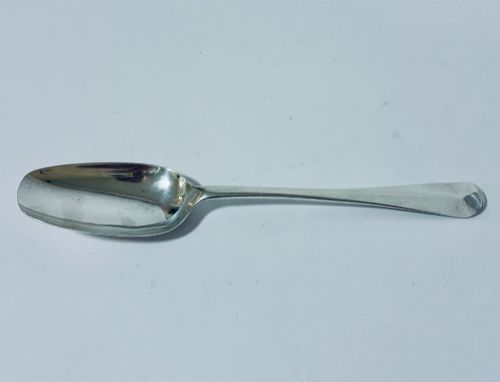
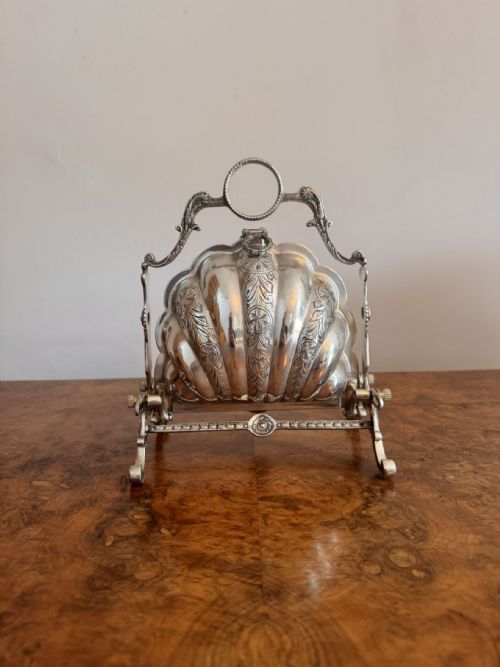
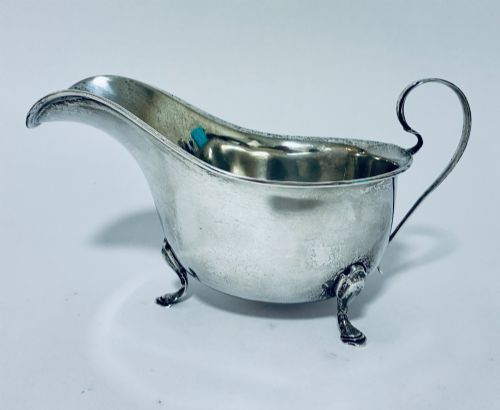
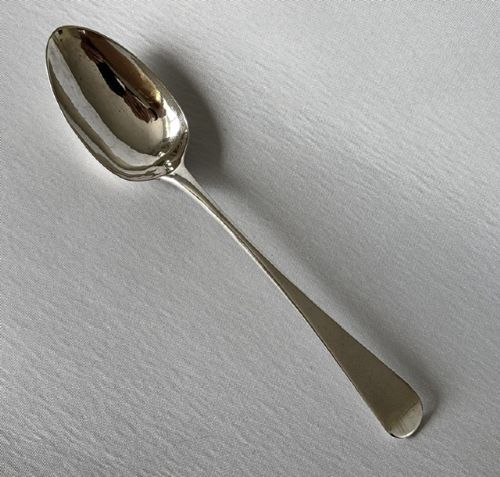
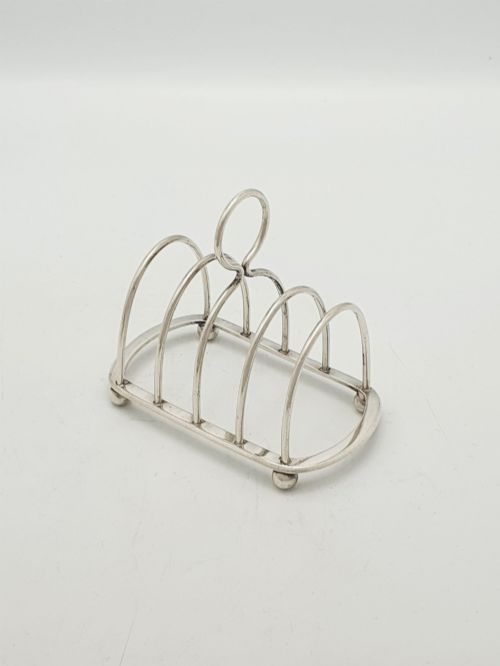
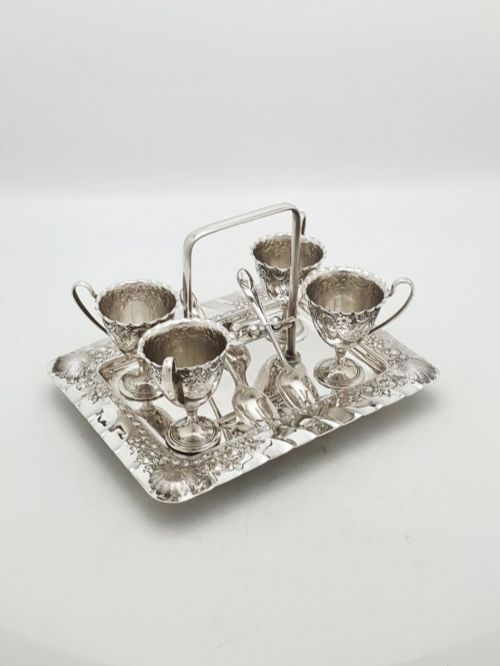
When you search for a silver tableware server, you encounter a diverse array of functional dining implements designed for specific culinary tasks. The selection encompasses practical forms such as egg cruets, sauce boats, salad servers, mustard pots, and toast racks.
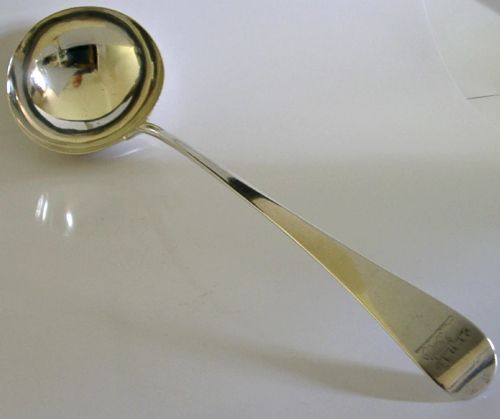
Pieces from this grouping date primarily from the Georgian, Victorian, and Edwardian eras, reflecting the changing customs of formal dining over two centuries. They range from massive soup ladles and coffee pots to delicate butter dishes and individual toast racks.
You are most likely to meet silver plated items alongside sterling silver examples, often accompanied by supplementary materials like cut glass or ceramic liners. Each object serves a distinct role in the presentation and service of food at the table.
How they were made
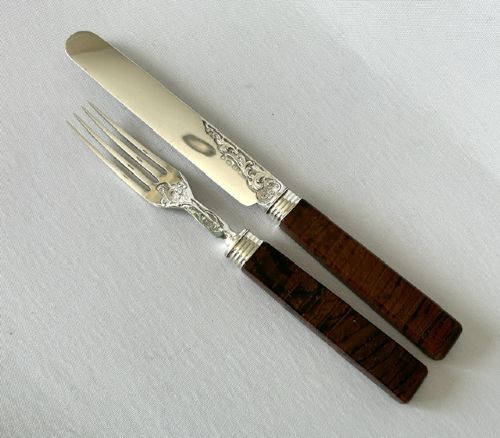
Silversmiths utilised traditional techniques such as casting, piercing, and embossing to shape sterling silver and silver plate into complex serving vessels. Many items combine solid silver with fitted elements like glass liners, ceramic bowls, or wooden handles.
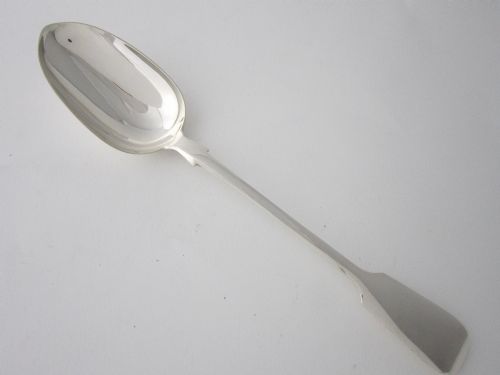
Plating methods evolved significantly during the nineteenth century, introducing innovations like Old Sheffield Plate and electroplated nickel silver to create durable tableware. Makers also incorporated decorative details like engraved crests, cast handles, and detailed rat tail motifs on spoons.
The listings here encompass multiple periods, from the eighteenth century through to the Edwardian era and mid-twentieth century.
What varies in quality
The distinction between standard utility items and exceptional serving pieces lies in the weight of the metal and the crispness of the chased or embossed ornament. Master silversmiths executed details like pierced galleries and cast handles with precision.
Provenance and maker attribution elevate certain servers, particularly those bearing the marks of prominent workshops from London, Sheffield, and regional assay offices. The integration of high-grade supplementary materials, such as hand-painted ceramic plates or clear cut glass liners, also separates standard productions from the finest works.
Peter & Jonathan Bateman·Hester Bateman·Elkington·Christofle Gallia·Charles & George Fox·William Burwash·The Goldsmiths & Silversmiths·Walker and Hall·Charles Fox II·Matthew Boulton
The Silver Tableware Server Glossary
- Sterling silver
- A silver alloy containing 92.5 percent pure silver by mass, with the remainder consisting of other metals like copper. This standard composition forms the basis of most high-quality antique tableware.
- Silver plate
- A base metal, such as copper or nickel silver, coated with a thin layer of pure silver. Techniques like Old Sheffield Plating and electroplating were standard methods for producing this ware.
- Toast rack
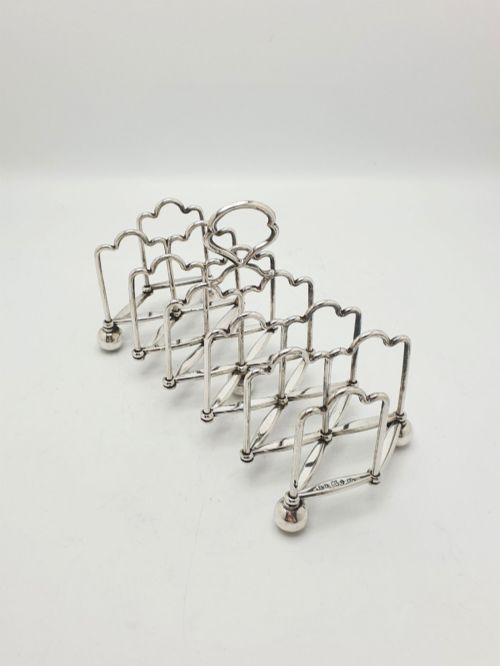
- A small table frame with vertical divisions designed to hold slices of toast upright. These items appear in various sizes holding four to six slices.
- Sauce boat
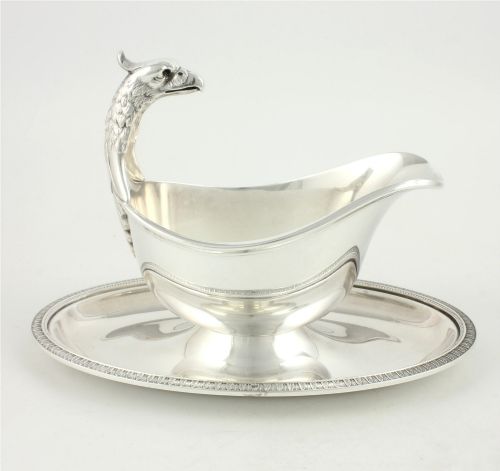
- A small pitcher or jug designed for serving gravies, sauces, or melted butter at the table. They frequently stand upon three or four feet and include an integrated or separate drip tray.
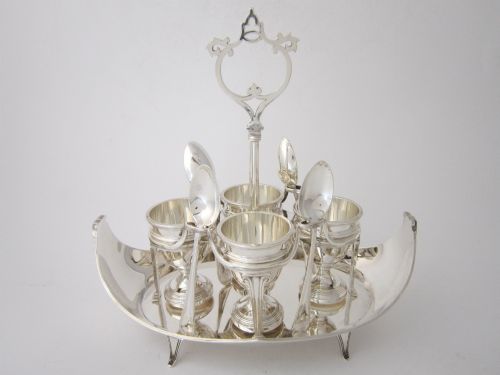
- Egg cruet
- A specialised table stand holding multiple egg cups alongside matching spoons and salt cellars. These sets date predominantly from the Victorian and Edwardian periods.
Silver Tableware Server: Frequently Asked Questions
What is a silver tableware server used for?
These pieces perform specific tasks during formal and casual dining, from pouring coffee and serving gravy to holding toast and dispensing mustard. They assist hosts in presenting food efficiently at the table.
Many items are designed for communal sharing, such as salad servers and soup ladles, while others accommodate individual portions like egg cruets and butter dishes.
How do I clean antique silver tableware?
Clean silver tableware gently using a specialist silver polish and a soft cloth to preserve the underlying metal and any engraved crests. Avoid harsh abrasive cleaners that can wear down thin silver plating.
Wash items by hand in warm soapy water immediately after use, particularly when handling acidic foods like mustard or fruit preserves.
Can I use these antique servers for daily dining?
Many silver tableware servers remain entirely functional for contemporary meals, whether you are serving toast at breakfast or gravy during a dinner party. Care should be taken with delicate items featuring glass liners or delicate handles.
Utilising these pieces connects modern dining rooms with historical traditions of hospitality and craftsmanship.