


Engraved Silver Scoop
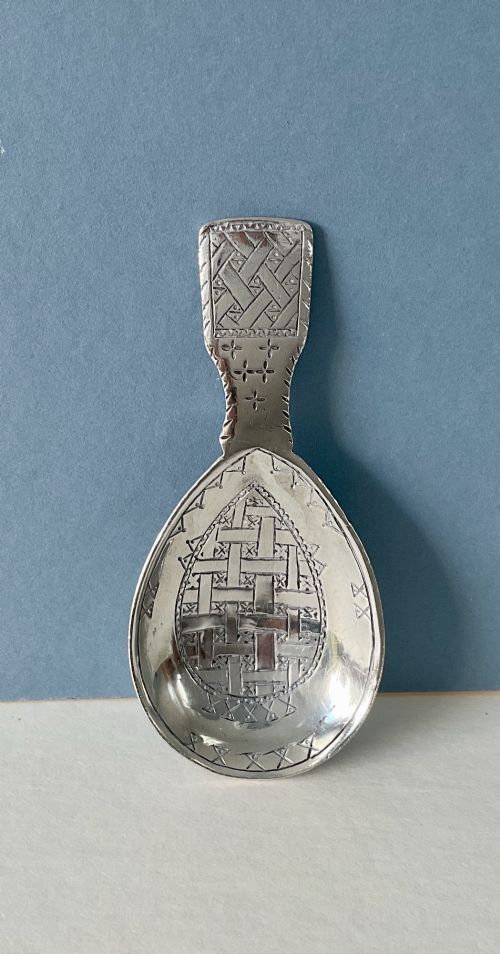
An engraved silver scoop is a small serving implement for tea or sugar, and collectors prize these pieces for their intricate chased decoration and fine metalwork.
Engraved Silver Scoop
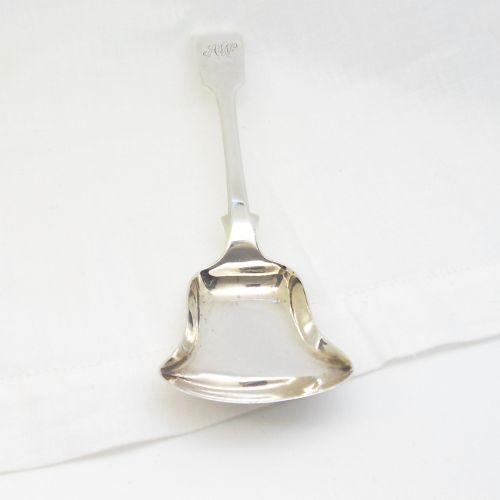
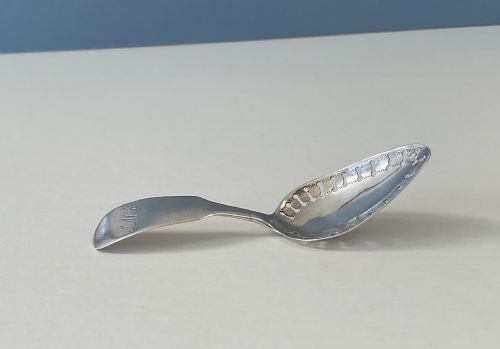
When you search for an engraved silver scoop, you encounter caddy spoons, sugar shovels, marrow scoops, and sardine servers from Georgian, Victorian, and Edwardian periods. The selection on this page is dominated by tea caddy spoons, frequently featuring engraved handles or bowls.
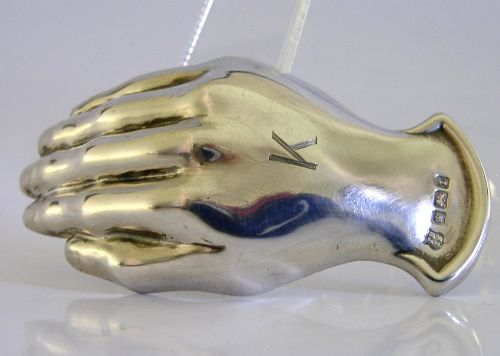
Most examples originate from British workshops, spanning provincial makers in Newcastle, Glasgow, and Dublin alongside major centres like London, Birmingham, and Sheffield. You also find novelty forms, including jockey cap designs and shell bowls, which reflect the playful silver smithing of the late eighteenth and nineteenth centuries.
What varies in quality
Quality rests in the crispness of the engraved decoration and the proportional balance between the handle and the bowl. Pieces with deep, clear chasing and legible hallmarks consistently command greater interest than worn or rubbed examples.
The distinctiveness of the form also separates standard production from exceptional work. Standard shovel and spoon shapes give way to novelty designs like caps and shells, where clever engineering and careful detailing elevate the object.
Silversmiths occasionally shaped tea spoons into jockey caps, allowing Georgian tea drinkers to scoop their leaves with miniature riding headwear.
John Walton·William Neale·George Unite·George Wintle
The Engraved Silver Scoop Glossary
- Caddy spoon
- A small utensil designed for measuring loose tea leaves from a caddy into a teapot. These spoons often feature shallow bowls and decorative handles.
- Bright cut engraving
- A surface decoration technique using faceted cuts to reflect light from the metal. It creates sharp, geometric or floral patterns across the silver.
- Hallmark
- A series of official marks stamped onto silver to indicate the maker, standard of purity, assay office, and year of manufacture. They provide a secure method of dating each piece.
- Marrow scoop
- A long, narrow utensil with small scoops at each end, historically used for extracting marrow from bones. They appear alongside tea wares in early silver collections.
- Provincial silver
- Silverware manufactured and assayed outside the major London office, in regional centres such as Newcastle, Glasgow, or Chester. These regional marks interest regional specialists.
Engraved Silver Scoop: Frequently Asked Questions
What is an engraved silver scoop used for?
These utensils were primarily created for domestic tea service, functioning as caddy spoons to measure tea leaves or as sugar shovels for sweetening.
Larger variations, such as marrow scoops or sardine servers, served specific dining purposes at the table during the eighteenth and nineteenth centuries.
Are these silver scoops made of solid silver?
The listings on this page consist of sterling silver and standard silver construction, occasionally paired with wooden components on specific serving utensils.
Maker marks and silver standards verify the metal composition across the pieces originating from British and European workshops.
How should I display my caddy spoon?
Because of their compact size, caddy spoons and small scoops suit display in shallow cabinets or enclosed wall frames where their engraved details remain visible. Keeping them away from direct sunlight protects any integrated wooden elements and preserves the polished silver surface.
Handling them with clean hands minimises tarnish build-up over time.