
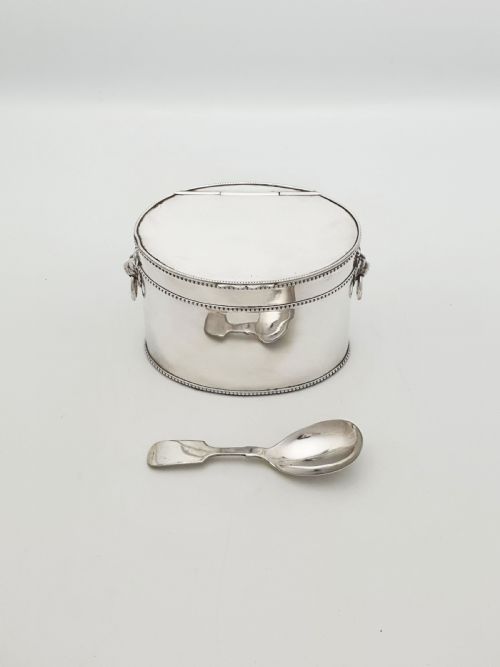


Edwardian Tea Caddy Spoon
An edwardian tea caddy spoon brings small-scale metalwork craft directly to the tea table, offering period charm and tactile handling.
Edwardian Tea Caddy Spoon
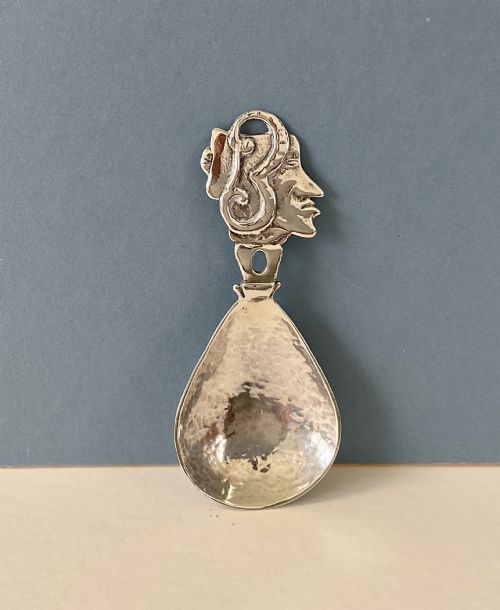
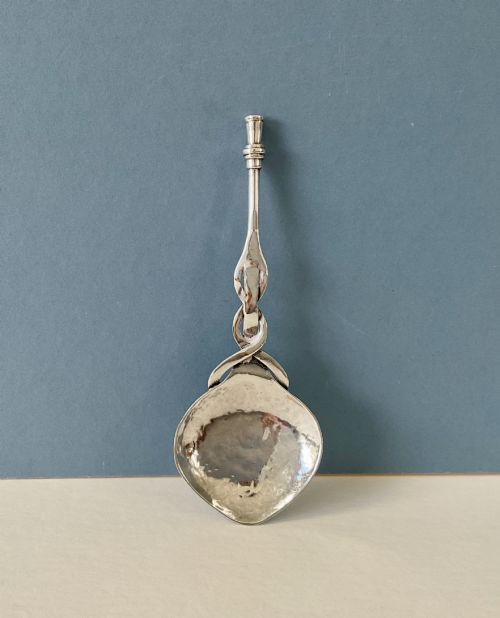
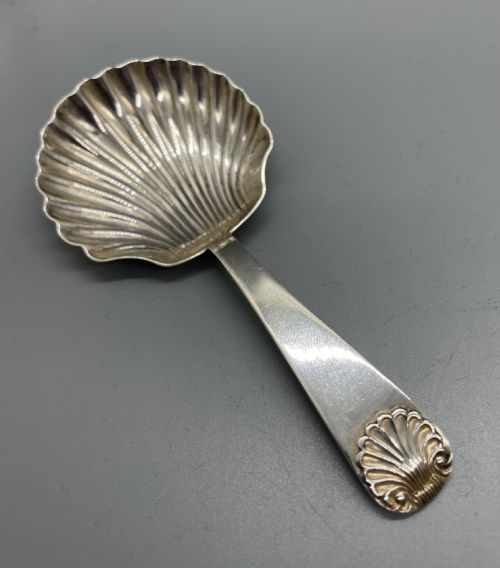
The edwardian tea caddy spoon category comprises small silver and silver-plated utensils designed to measure loose tea leaves, frequently encountered in Edwardian and Arts and Crafts styles. These items appear in various distinct forms, ranging from standard spade bowls to novelty shapes including hands and jockey caps.
Most examples date from the early twentieth century, spanning the nineteen hundreds to the nineteen twenties, with several pieces bearing assay marks from Sheffield, Birmingham, and Chester. Buyers will frequently encounter both standalone spoons and pieces accompanying larger tea caddies.
Materials and construction
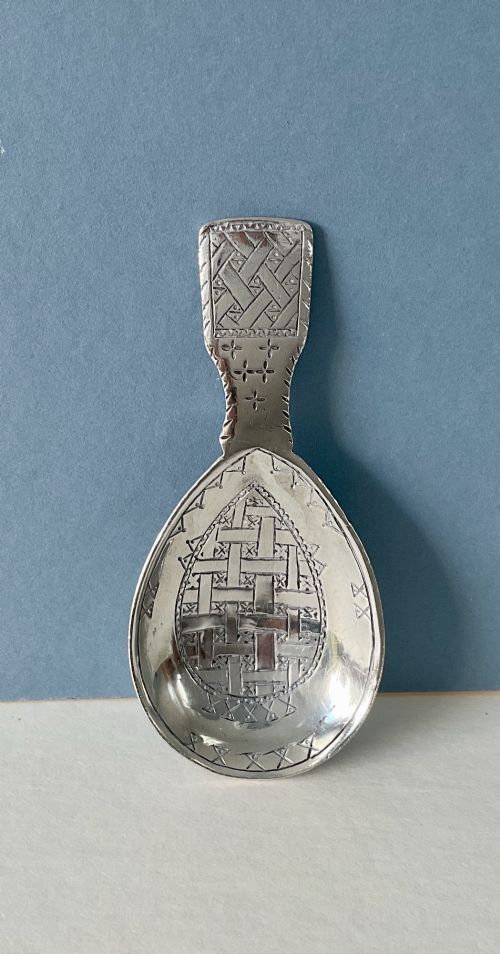
These pieces are principally formed from sterling silver or silver plating, shaped through traditional smithing and casting methods. Makers utilised techniques such as stamping, engraving, and hand-chasing to create decorative bowls and handles.
Assay office marks and maker stamps are frequently struck directly into the metal, recording the year of production and the city of origin. Surface decoration often includes applied motifs like lion masks, shell bowls, or the linear designs characteristic of the Arts and Crafts movement.
Some makers turned tea measurement into a miniature sport by fashioning spoons into tiny jockey caps and human hands.
Distinctions in quality
Quality in these items rests upon the crispness of the initial casting and the retention of hand-engraved detail across the bowl and handle. Heavier gauge metal provides a more substantial feel in the hand compared to lighter, more flexible stampings.
The presence of clear, legible hallmarks adds discernible merit, confirming the exact year and location of manufacture. Novelty and Arts and Crafts pieces often display greater sculptural ambition than standard utility patterns.
William Neale·George Unite
The Edwardian Tea Caddy Spoon Glossary
- Hallmark
- A series of official stamps applied to precious metals indicating the maker, assay office, and year of testing. These marks allow collectors to date silver pieces precisely.
- Assay office
- An official body responsible for testing the purity of precious metals and stamping them with a town mark. Sheffield, Birmingham, and Chester are common origins found on these items.
- Arts and Crafts
- A design movement prioritising handcraftsmanship and simple forms over mass production. Pieces in this style often feature hammered surfaces and stylised motifs.
- Novelty spoon
- A spoon shaped to resemble an unrelated object, such as a hand or a jockey cap. These whimsical designs were popular for cabinet display and daily use.
- Sterling silver
- An alloy containing a high proportion of pure silver combined with other metals to increase durability. It serves as the primary material for high-end dining wares.
Edwardian Tea Caddy Spoon: Frequently Asked Questions
How are these spoons used?
These utensils serve to scoop loose tea leaves from a caddy into a teapot. They are sized specifically to measure a single portion per brew.
Many collectors also display them alongside period tea wares or within tabletop cabinets to showcase their miniature craftsmanship.
How do I clean silver spoons?
Silver pieces require gentle washing in warm water with a mild detergent, followed by drying with a soft cloth. Avoid harsh abrasives that can wear away engravings and hallmarks.
Occasional use of a specialist silver polish helps maintain the reflective surface without harming the antique metal.
Are these spoons made of solid silver?
The pieces listed vary between solid sterling silver and silver-plated white metal. Hallmarks on the reverse usually indicate the exact metal standard used.
Plated versions offer the same visual appeal for the tea table while utilising a base metal core beneath the silver outer layer.
How do I identify the date?
Dating relies upon the stamped hallmarks, which include specific letters corresponding to the year the item was tested at the assay office. Stylistic clues like Arts and Crafts linearity also help narrow down the production era.
Most items date from the early twentieth century around the Edwardian period.