
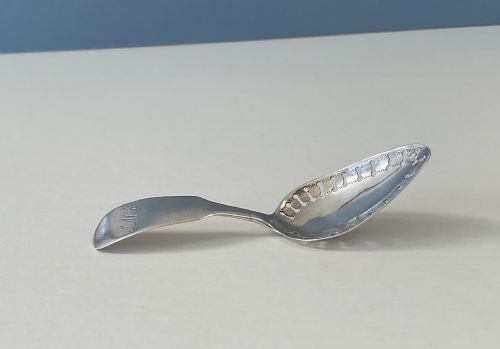


Victorian Tea Caddy Spoon
A victorian tea caddy spoon is a small, purpose-built scoop designed to measure dry leaves from storage, prized for miniature metalwork and crisp period engraving.
Victorian Tea Caddy Spoon
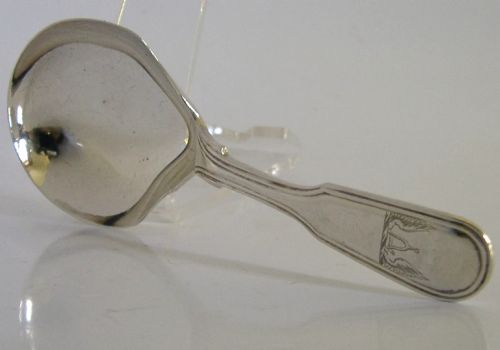
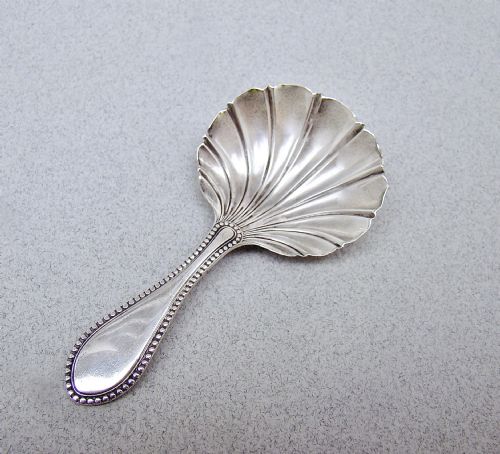
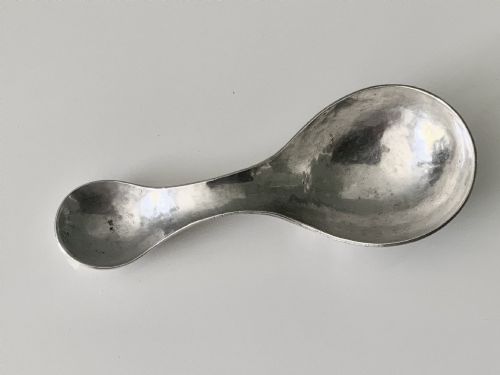
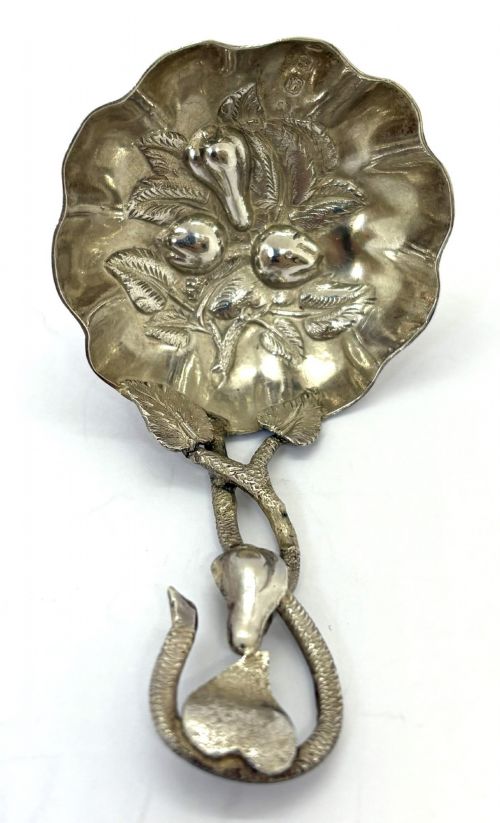
A victorian tea caddy spoon is a small domestic utensil designed specifically to measure dried tea leaves from a storage container. These pieces typically appear in sterling silver and silver plate, shaped to fit comfortably into shallow vessels. Buyers encounter examples ranging from plain bowls to intricate novelty forms.
The selections span the nineteenth century, with strong representation from the Victorian period alongside transitional Georgian and later twentieth-century iterations. Provincial workshops and major assay offices both contribute to the variety found in these collections. Collectors frequently discover regional hallmarks that trace the origin of each piece to specific British cities.
How They Were Made
Makers shaped these spoons primarily from sterling silver and silver plate, hammering and stamping the metal to form the bowl and handle. Workshops utilised techniques such as foliate engraving and fluting to decorate the surface of the metal. Handles often received cast or stamped embellishments, including figural designs like jockey caps or apostle figures.
Assay offices struck punches directly onto the metal to verify its standard, leaving marks that record the city, year, and maker. Horn also appears in associated caddy assemblies, though the spoons themselves remain metalwork. Craftsmen soldered distinct components together or forged smaller examples from a single sheet of silver.
Some Victorian silver spoons were fashioned as miniature jockey caps to satisfy the era's sporting passions.
What Varies in Quality
Quality rests upon the crispness of the initial stamping and the depth of any hand-engraved foliate patterns across the bowl. Superior examples retain sharp hallmarks and well-defined details on novelty forms like caps or figural handles rather than softened contours from heavy wear. The thickness of the metal gauge also dictates the durability and heft of the utensil in the hand.
The distinction between standard utility forms and specialist novelty pieces shapes the character of a collection. Pieces bearing clear regional assay marks or attribution to known silversmiths command greater interest from collectors. Preservation of the original surface texture without excessive polishing maintains the integrity of the design.
Martin Hall & Co·Mappin & Webb·George Unite
The Victorian Tea Caddy Spoon Glossary
- Hallmark
- An official stamp impressed onto precious metals to guarantee purity and record the assay office, date letter, and maker. These tiny marks are essential for dating and attributing provincial pieces.
- Assay Office
- An official body charged with testing the purity of precious metals and stamping them with statutory marks. Offices in cities such as Sheffield, Birmingham, London, Glasgow, and Exeter each used distinct symbols.
- Foliate Engraving
- Decorative surface carving depicting leaves, vines, or foliage. This technique was frequently applied to the bowls and handles of nineteenth-century spoons.
- Novelty Silver
- Silverware fashioned into playful or unusual shapes outside standard cutlery silhouettes. In these collections, examples take forms such as jockey caps or apostle figures.
- Sterling Silver
- An alloy consisting of pure silver and other metals, traditionally copper, standardised for strength and durability. Most pieces in these collections meet this precise metal standard.
Victorian Tea Caddy Spoon: Frequently Asked Questions
What is a victorian tea caddy spoon used for?
These miniature utensils were created to measure loose tea leaves from a caddy into a porcelain pot. Their compact dimensions ensured they could rest inside or beside the storage vessel.
Today, collectors use them primarily for display or as decorative additions to silver collections. They also function well in modern kitchens for measuring specialty tea leaves.
How do I know if a spoon is silver or silver plate?
Sterling pieces bear official hallmarks indicating the silver standard, such as a lion passant on British items. Silver plate lacks these statutory silver marks and may show base metal beneath worn plating.
Examining the piece with a loupe reveals the presence of stamped assay punches. Sterling silver develops a soft patina over time rather than flaking away to expose a different metal colour.
How can I tell the period of a caddy spoon?
Hallmarks stamped on the metal provide a precise date letter corresponding to the active year of the assay office. Stylistic clues, such as foliate engraving or novelty shapes, also help indicate the manufacturing era.
Victorian pieces often feature distinct floral motifs or maker stamps associated with the nineteenth century. Transitional items may bridge Georgian and Victorian design conventions through simpler bowl geometries.
How should I store and care for my silver spoon?
Store silver pieces in dry, tarnish-resistant cloth or a dedicated cabinet away from direct moisture. Minimal handling helps preserve the original polish and engraved details.
Cleaning should involve only gentle washing with mild soap and warm water when necessary. Avoid abrasive commercial dips that can strip away the antique surface character and soften hallmarks.