
Antique Tea Accessory Silver
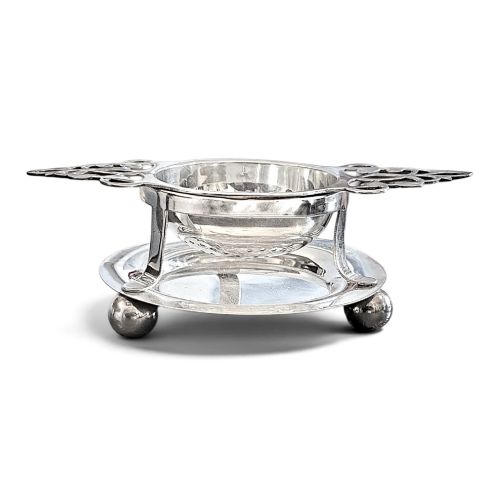
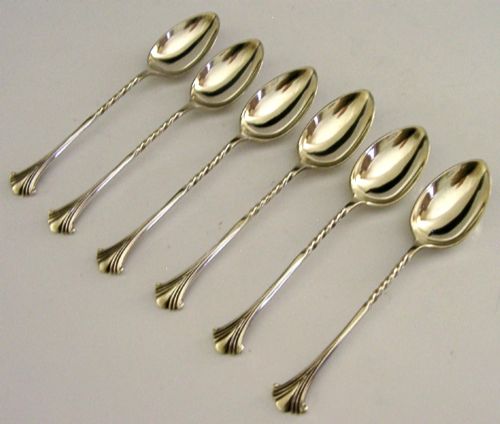
These antique tea accessory silver pieces bring the ritual of the table to life, offering small implements designed to serve tea with precision.
Antique Tea Accessory Silver
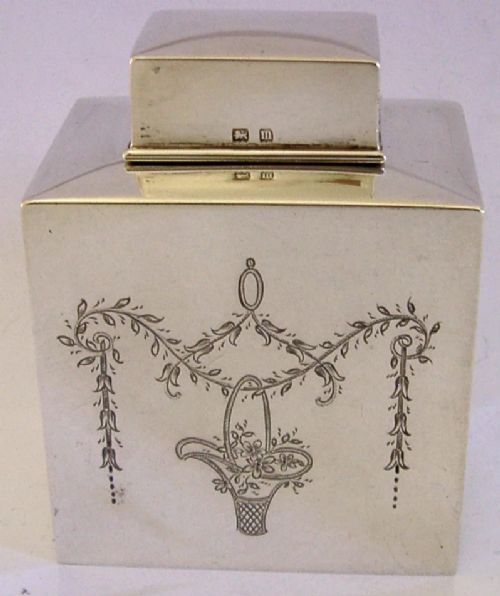
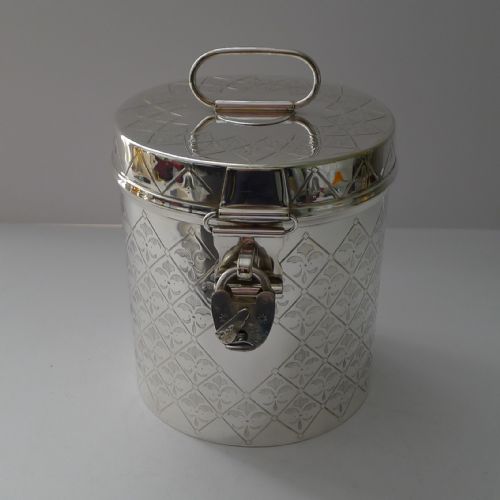
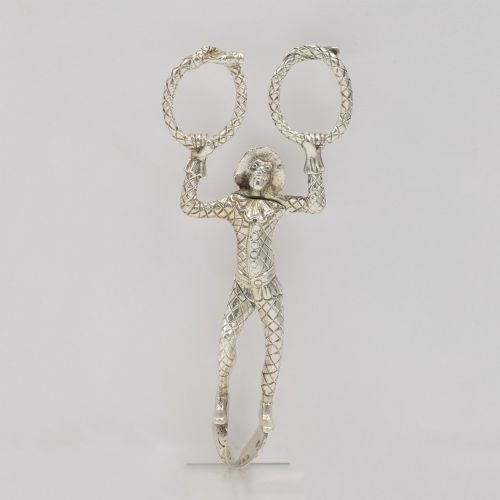
The objects span multiple periods, with Georgian and Victorian examples appearing frequently alongside later pieces from the Edwardian and Art Deco eras. Forms range from utilitarian spoons to elaborate locking biscuit boxes and novelty sugar tongs shaped as harlequin monkeys.
Materials and construction methods
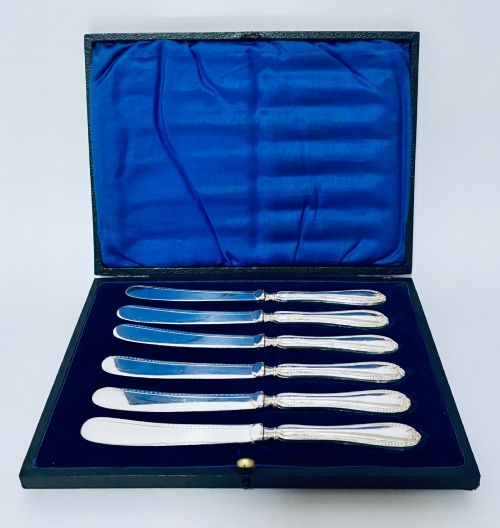
Makers utilised sterling silver and silver plate as the primary structural metals for these items, sometimes combining them with steel, wood for turned handles, or cobalt glass liners inside sugar bowls. Velvet, silk, and leather also appear in associated storage.
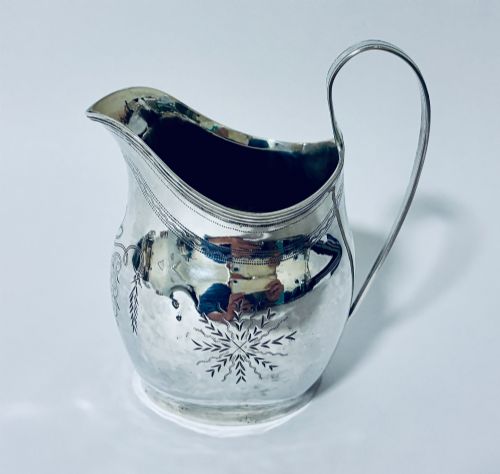
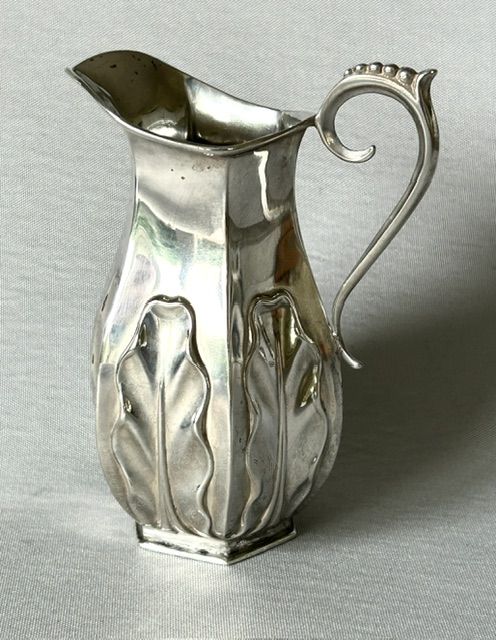
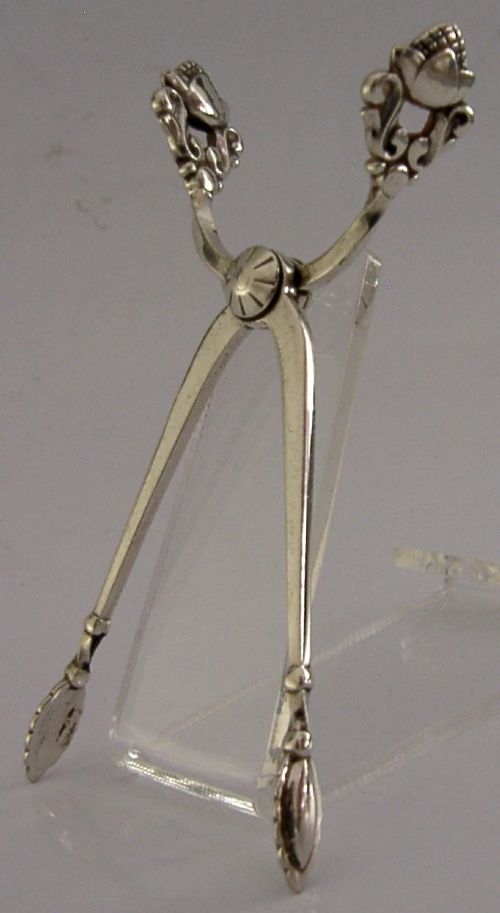
Techniques varied from cast silver components to pierced work on sugar bowls and strainers, alongside hand-raised forms like sparrow beak cream jugs. Makers applied engraved family crests or patterned motifs such as the acorn design to finished surfaces.
Among the sugar tongs wait mischievous harlequin monkeys, ready to guard your lumps with Victorian theatre.
Distinctions in quality and execution
Quality rests upon the weight of the metal, the crispness of any cast or pierced detail, and the reputation of the maker. Heavier items with solid construction and distinct hallmarks demonstrate superior execution.
Unusual novelty forms or items attributed to known workshops show higher design ambition than standard utility pieces. The preservation of original engraving and functional integrity also separates standard items from the finest examples.
Zimmermann·Mappin and Webb·Dee and Fargus·Georg Jensen·William Neale·Thomas Tookey·Jeremiah Lee
The Antique Tea Accessory Silver Glossary
- Caddy spoon
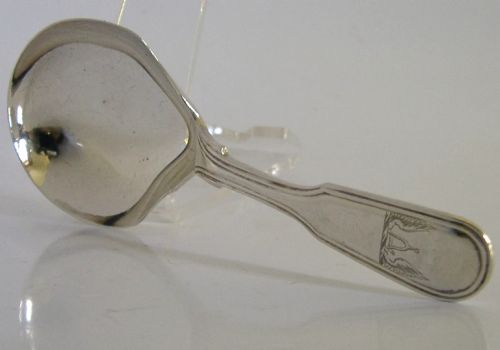
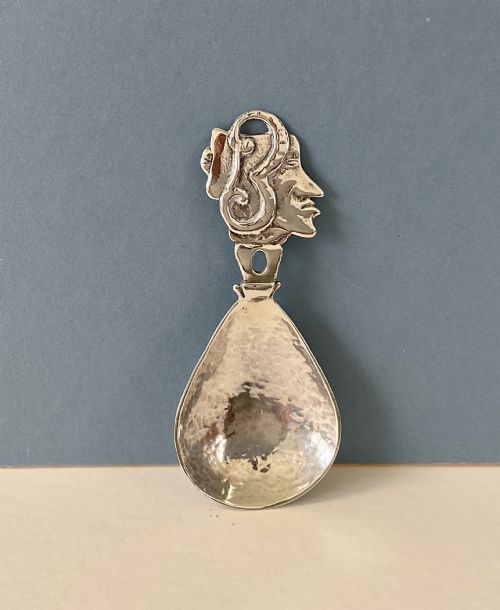
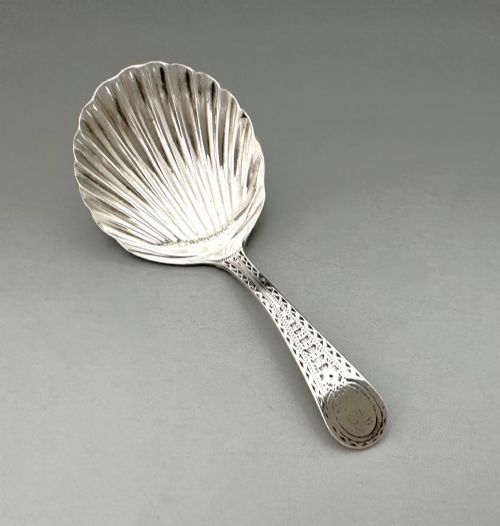
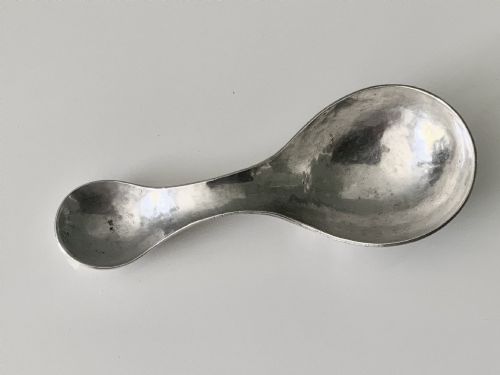
- A short-handled spoon specifically designed for scooping tea leaves from a caddy into a pot. They appear in diverse regional styles and novelty shapes.
- Sugar tongs
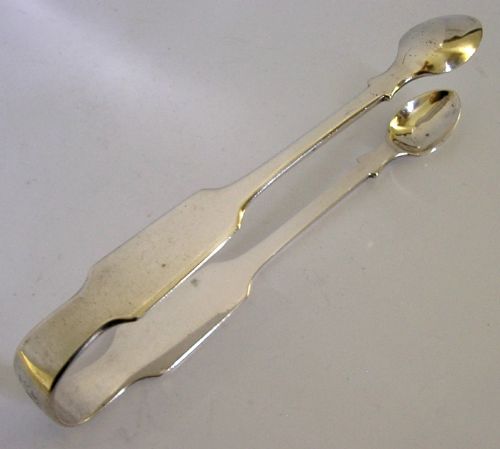
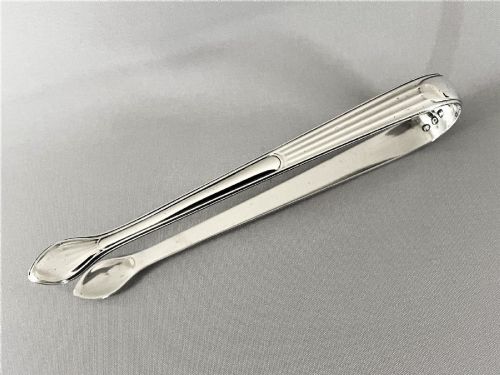
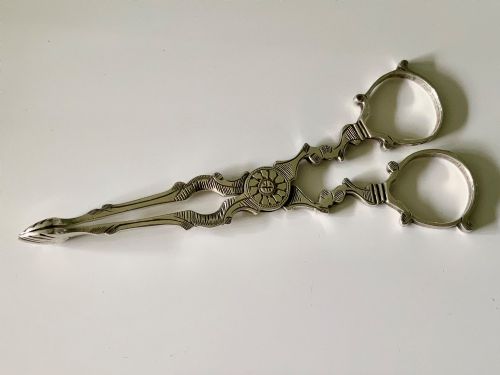
- Implements used for lifting sugar lumps into a cup, often styled as scissor actions or spring arms. Examples range from simple wirework to cast figural designs.
- Mote spoon
- An eighteenth-century implement featuring a pierced bowl for skimming stray tea leaves and a pointed stem for clearing the spout of a teapot.
- Silver plate
- A base metal coated with a layer of silver, utilised for larger serving items like biscuit barrels and bowls to achieve a bright finish at a lower cost.
Antique Tea Accessory Silver: Frequently Asked Questions
What is an antique tea accessory silver caddy spoon used for?
These small spoons measure out loose leaf tea from a storage caddy into the teapot.
They emerged in various shapes during the Georgian period and remained popular through subsequent centuries.
How do I care for antique silver tea accessories?
Wash them gently in warm soapy water and dry them immediately with a soft cloth to protect the metal.
Avoid abrasive cleaners that might wear away fine engravings or hallmarks.
What is the difference between sugar tongs and sugar nips?
Tongs typically feature spring arms to grasp sugar lumps, whereas nips often operate with a scissor action.
Both serve the same function at the tea table but represent different manufacturing traditions.
How can I tell the period of a silver tea strainer?
Examine the piece for official hallmarks, which indicate the assay office, metal purity, and year of manufacture.
Stylistic markers such as Art Deco geometric lines or Georgian cast decoration also help determine the era.