
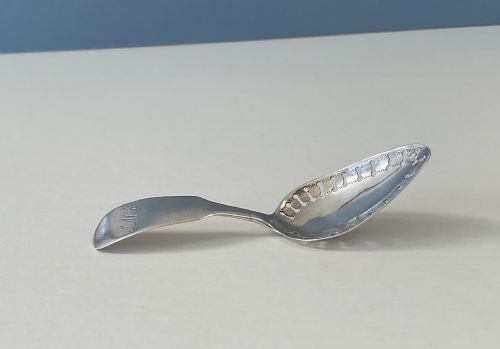


Antique Sterling Tea Scoop
These small silver implements, collected as an antique sterling tea scoop, measure leaf tea and ornament the table.
Antique Sterling Tea Scoop
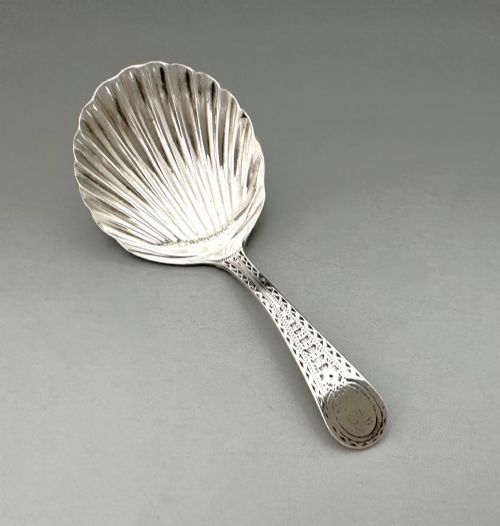
An antique sterling tea scoop typically takes the form of a caddy spoon designed for measuring dry tea leaves from a canister into a pot. The selection spans Georgian, Victorian, and Edwardian periods, alongside later Arts and Crafts, Art Nouveau, and Art Deco examples.
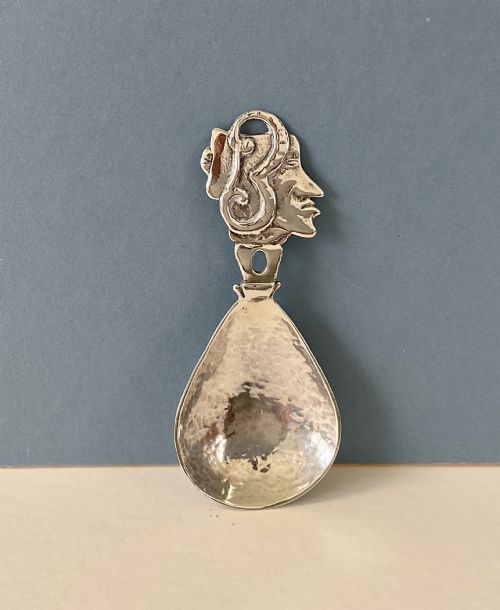
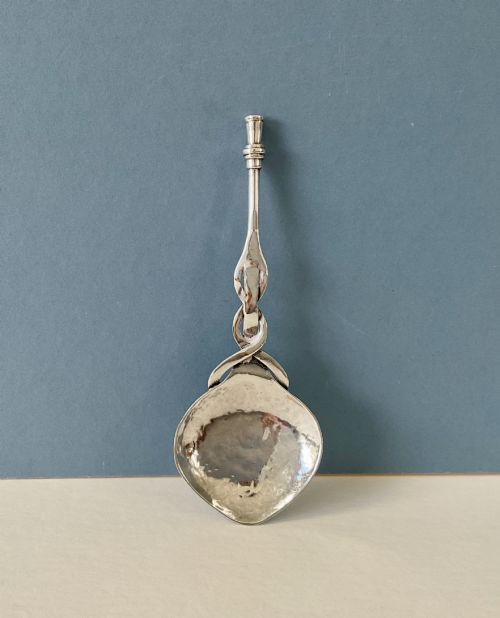
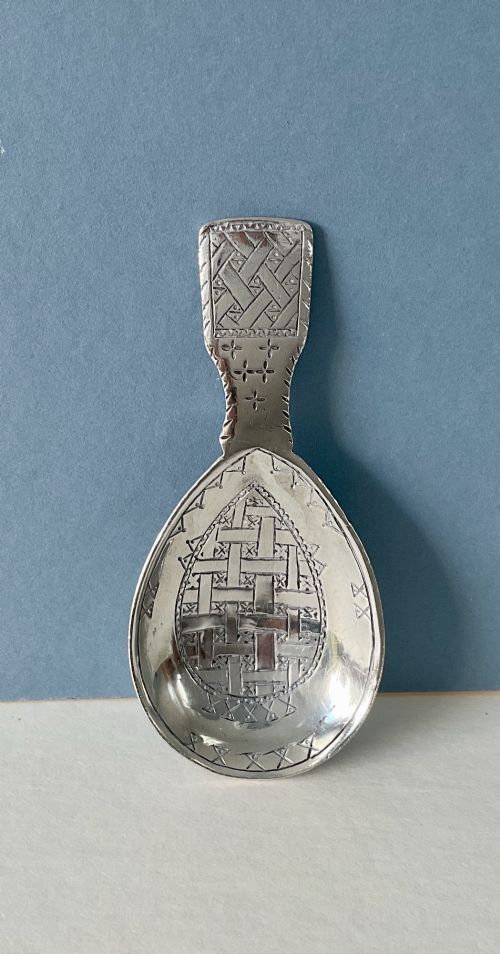
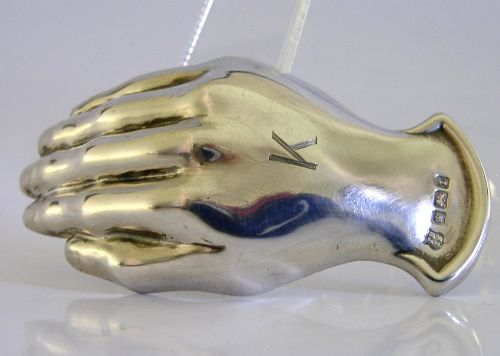
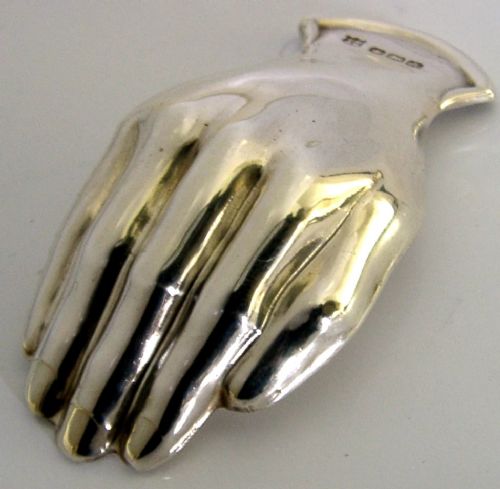
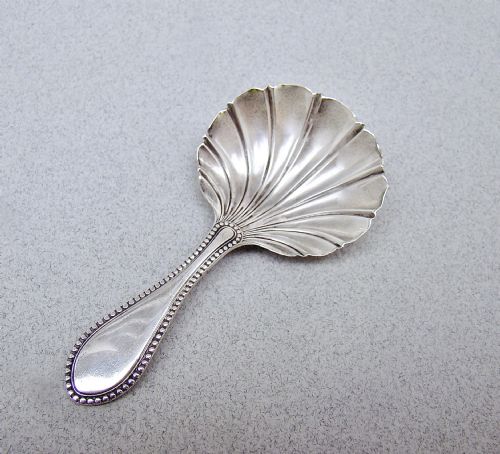
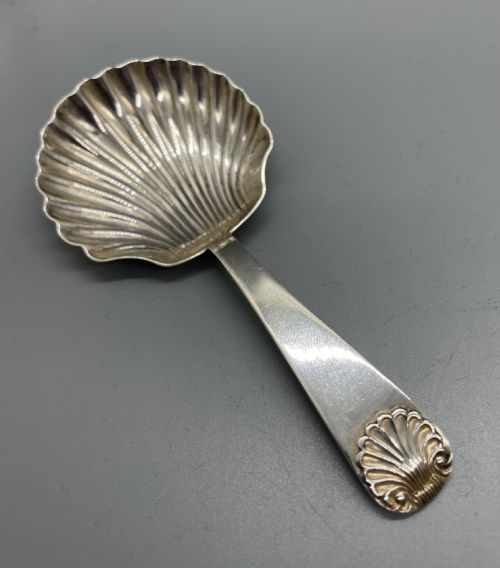
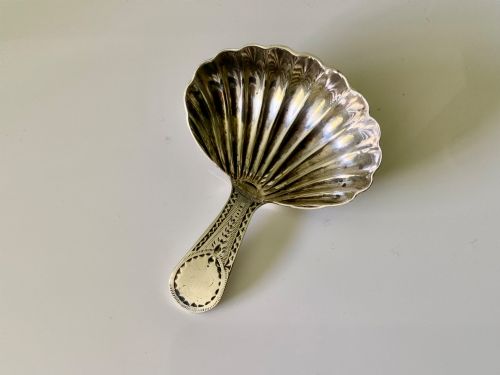
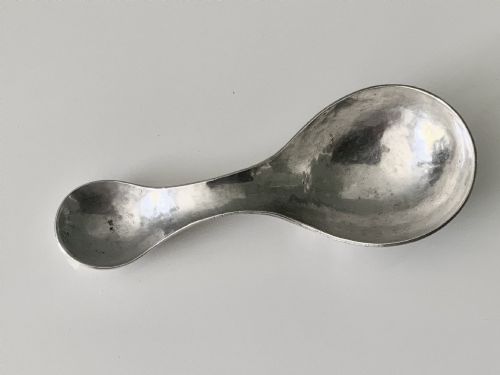
Makers shaped bowls into shells, leaves, jockey caps, hands, and plain round pans, attaching short handles often decorated with engraving. Regional origins range across English, Irish, Scottish, and continental workshops.
Craft and distinction
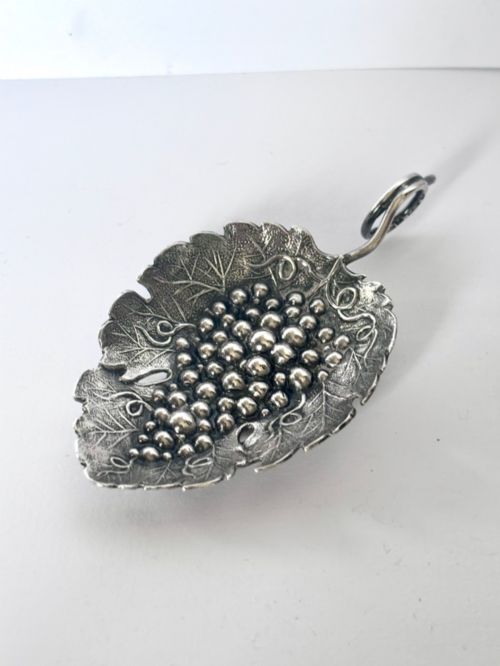
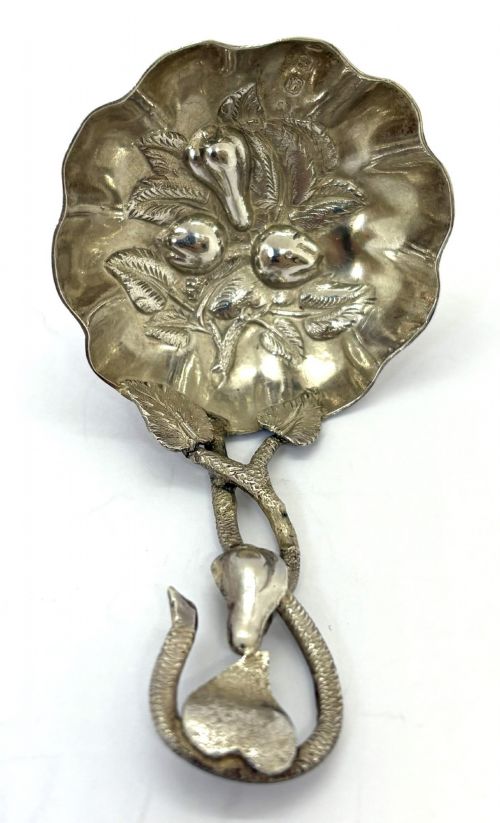
Quality rests upon the crispness of the chasing, the weight of the silver in the hand, and the artistic ambition of the bowl form. Plain stamped pans contrast with sculptural novelty designs shaped like vine leaves or jockey caps.
Maker marks attributed to known workshops or silversmiths elevate the standing of a piece above unsigned factory output.
Listings feature sterling silver and silver gilt materials across Georgian, Victorian, Edwardian, and mid-century periods.
Martin Hall And Co·Joseph Willmore·William Neale·David Andersen·Georg Jensen·Mappin And Webb·George Unite
The Antique Sterling Tea Scoop Glossary
- Caddy spoon
- A short-handled spoon specifically sized to measure loose tea leaves from a storage caddy.
- Parcel-gilt
- Silver objects having parts of their surface coated in a thin layer of gold, leaving the rest as bare silver.
- Hallmark
- A series of stamped official marks indicating the metal standard, the assay office, and the date of creation.
- Chasing
- A metalworking technique where the silversmith hammers a design into the front surface to raise relief patterns.
Antique Sterling Tea Scoop: Frequently Asked Questions
How were antique tea scoops used?
These pieces served in the parlour for transferring loose tea leaves from a tea caddy into the teapot. Their short handles permitted them to sit neatly inside or beside the storage container.
Today they function as decorative cabinet pieces or serve smaller domestic duties like measuring dry condiments.
How do I date a silver scoop?
Dating relies on the stamped hallmarks showing the assay office letter, the sterling standard mark, and a specific date letter corresponding to the active year of the silversmith or office.
Stylistic shifts, such as the naturalistic forms of the Arts and Crafts movement or the geometric lines of Art Deco, provide further chronological clues.
Are novelty shapes common?
Silversmiths produced novelty spoons shaped like hands, jockey caps, acorn cups, and vine leaves during the Georgian and Edwardian eras. These imaginative forms showcase the decorative ambition of period metalworkers.
Plain shell bowls and round pans remain far more common across standard production.
How should I display them?
These items suit shallow wall cabinets or flat display trays where their detailed bowls and engraved handles remain visible. Keeping them enclosed helps slow down the natural tarnishing process of sterling silver.
Occasional gentle dusting keeps the surface bright without abrasive cleaning.