


Victorian Silver Caddy Spoon
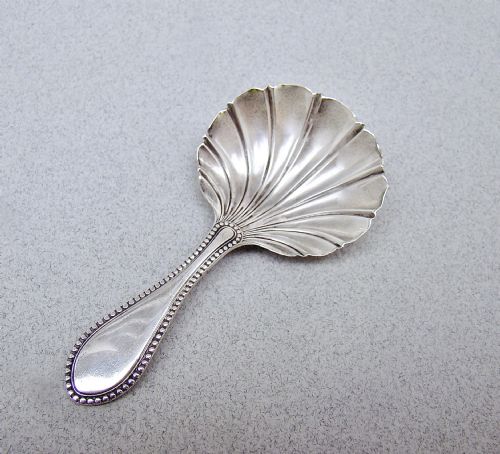
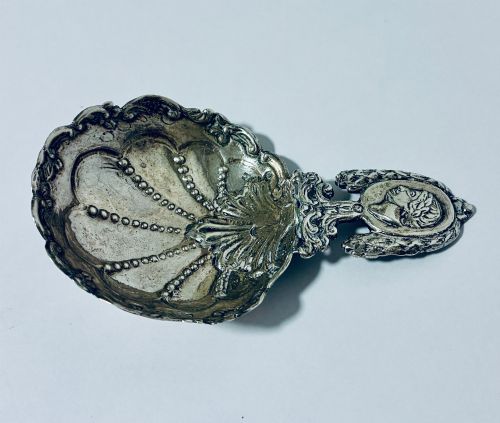
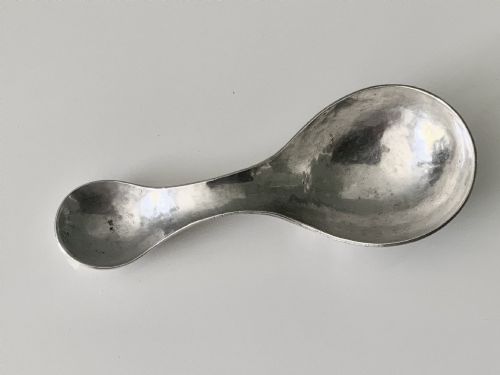
These pieces are a victorian silver caddy spoon, small specialised implements designed for measuring tea leaves from a caddy into a pot.
What They Are
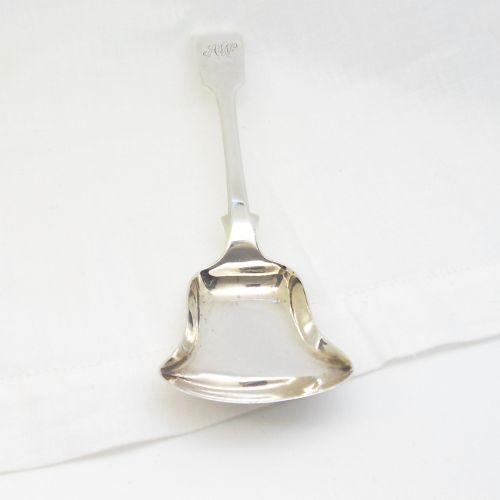
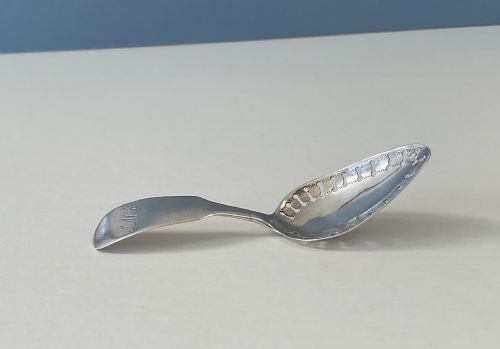
A victorian silver caddy spoon is a compact domestic utensil created to transfer loose tea leaves from a storage canister. Most examples found here originate from the nineteenth century, reflecting the peak of British tea-drinking culture.
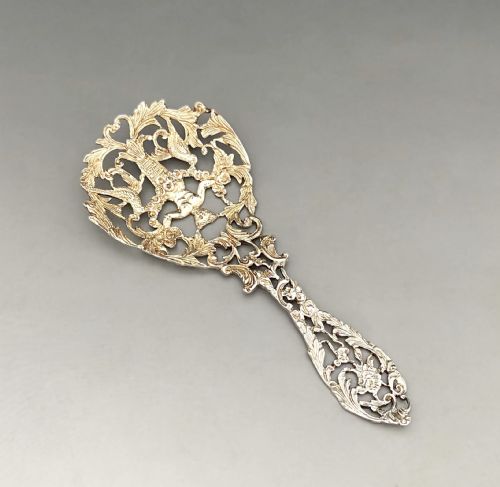
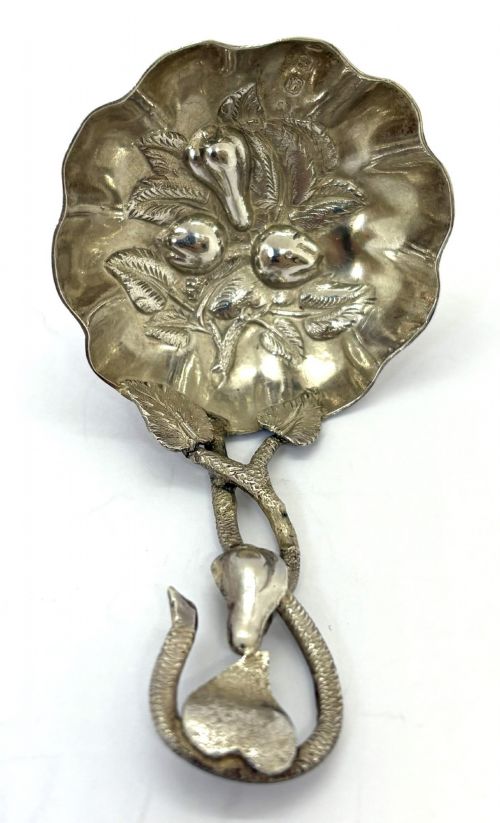
The form appears in various imaginative shapes including jockey caps, camels, thistle heads, vine leaves, shells, and shovels alongside traditional fiddle and kings patterns. Bowls are often scalloped or shaped to echo natural motifs.
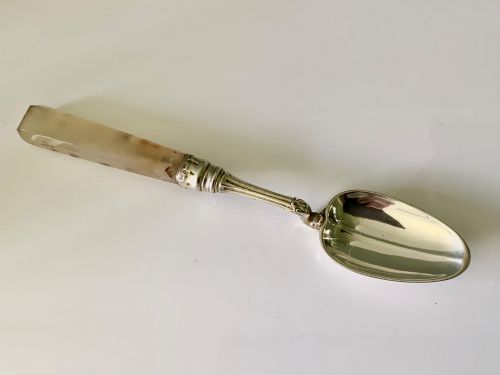
Makers utilised solid sterling silver and silver plate, frequently pairing the metal with mother-of-pearl handles. Many pieces incorporate elaborate hand engraving, family crests, or figural terminals such as apostle figures.
How They Were Made
Silversmiths shaped these utensils from sterling silver or silver plate using techniques like hammering, stamping, and casting. Bowls were often formed with scalloped edges or repoussé decoration.
Handles frequently received detailed hand engraving, crest work, or were fashioned from natural materials such as mother-of-pearl. Specialised workshops in Birmingham, Sheffield, London, and Chester produced the components before assembling them.
Retail Price Guide 2026
Typical UK retail prices for victorian silver caddy spoon, calculated from the Sellingantiques database of over a million retail prices indexed since 2003. This retail price guide relies exclusively on Sellingantiques data; no external sources or auction records are used, so the figures do not describe the wider market.
Victorian makers occasionally shaped silver tea spoons to resemble tiny jockey caps for racing enthusiasts.
What Varies In Quality
The standard of a victorian silver caddy spoon rests on the crispness of its stamping and the depth of its hand engraving. Pieces featuring figural bowls like shells, jockey caps, or animals demand greater skill from the silversmith than standard fiddle patterns.
The choice of handle material and the clarity of the maker marks and city hallmarks significantly influence the character of the object. Weight, gauge of silver, and balanced proportions distinguish utilitarian examples from highly decorative presentation pieces.
Martin Hall And Co·Yapp And Woodward·Hilliard And Thomason·George Unite·John Aldwinkle And Thomas Slater·Foxhall And Co·Alfred Taylor·Thomas Hayes·Thomas Dones·Barnard And Sons·John Millward Banks
The Victorian Silver Caddy Spoon Glossary
- Sterling silver
- A silver alloy containing 92.5 percent pure silver by mass, standard for British quality plate.
- Hallmark
- An official stamp applied to precious metals indicating the maker, assay office, and year of testing.
- Fiddle pattern
- A nineteenth-century flatware handle design featuring a distinctive broadened shoulder near the terminal.
- Repoussé
- A metalworking technique where the smith hammers the design from the reverse side to form a raised relief on the front.
- Crest
- An heraldic device engraved onto the silver handle or terminal to denote a specific family lineage.
Frequently Asked Questions
What is a victorian silver caddy spoon used for?
These small utensils were designed specifically to measure loose tea leaves from a storage caddy into a teapot. Their compact size allowed them to fit easily inside narrow containers.
In period households, they sat alongside the tea service as both practical tools and decorative accessories. Today they are collected and displayed for their intricate miniature craftsmanship.
How do I identify a victorian silver caddy spoon?
Identification relies on examining the stamped hallmarks on the metal, which typically include a maker mark, a standard mark indicating sterling silver, an assay office symbol, and a date letter.
Stylistic clues such as fiddle patterns, engraved crests, and specific figural bowls also point directly to nineteenth-century British manufacture.
Did they make caddy spoons in silver plate?
While solid sterling silver dominates the surviving record, makers also utilised silver plate for these small serving pieces.
Plated versions offered a bright metallic finish at a lower cost for households of modest means during the period.
What handle materials appear on these spoons?
Silver forms the primary material for the majority of handles, shaped into traditional flatware patterns or cast figural designs.
Some examples incorporate organic materials, most notably mother-of-pearl, providing a contrasting texture to the polished metal bowl.
How should I display a caddy spoon?
Because of their diminutive scale, these pieces suit shallow cabinet display or flat presentation within archival trays.
Keeping them away from direct strong light and high humidity helps preserve the polished finish of the silver and any organic handle components.