


Silver Gilt Spoon
A silver gilt spoon brings warmth and distinction to a table setting through its rich gold wash over silver.
Silver Gilt Spoon
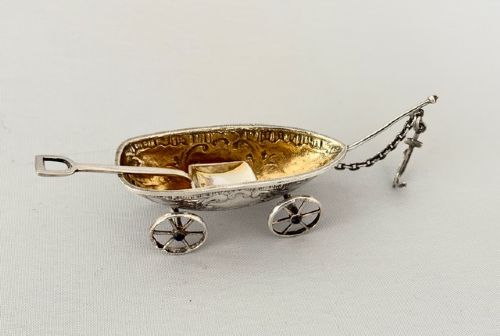
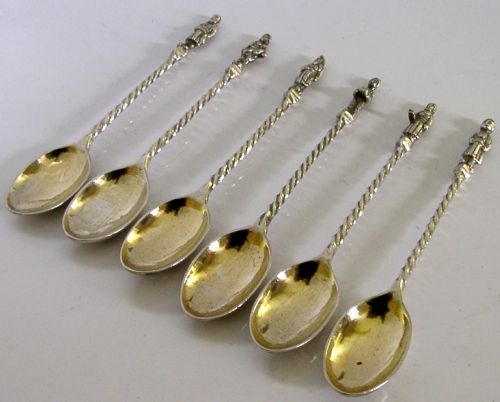
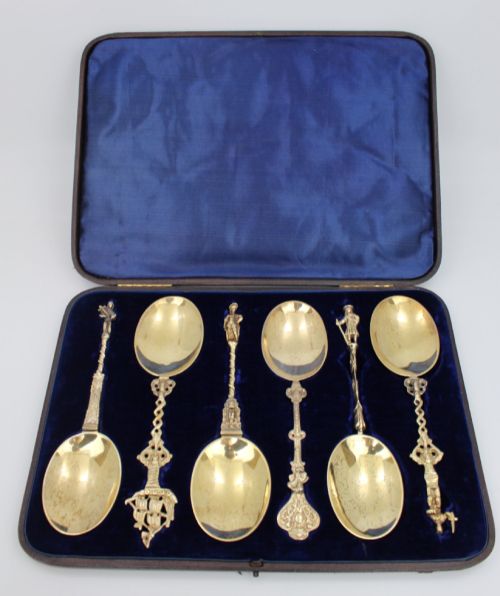
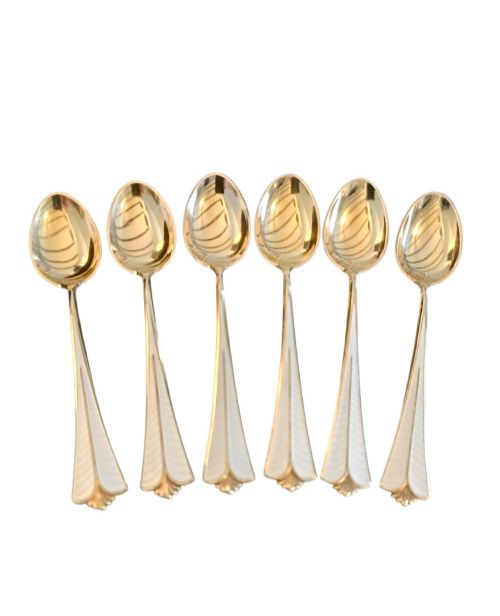
Originating across England, Russia, Denmark, and other European regions, these pieces reflect distinct regional silversmithing traditions. Items range from large baptismal serving spoons to delicate coffee spoons and figural designs.
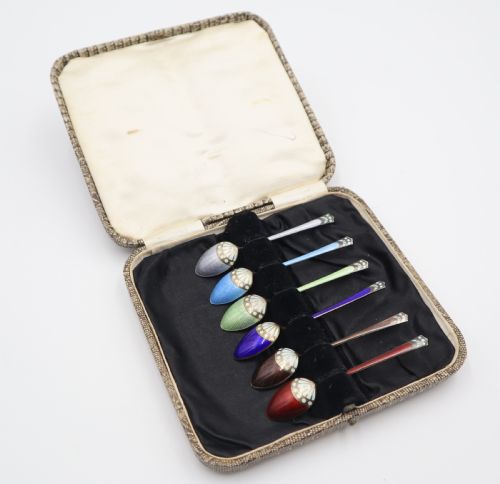
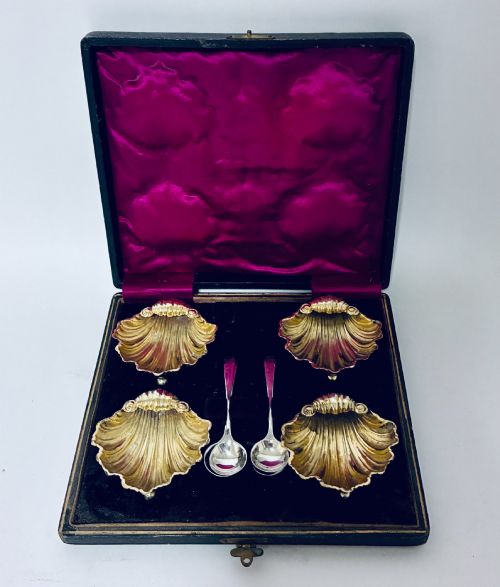
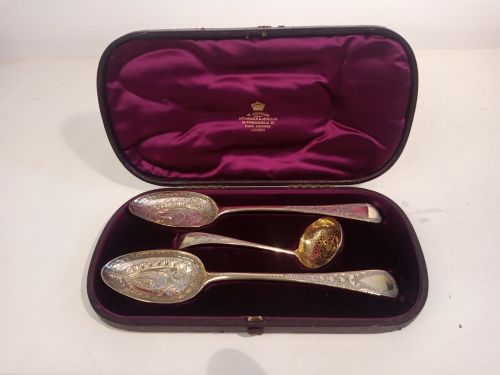
Many survivors retain original presentation cases lined with velvet or silk, indicating their historical role as treasured gifts for significant life events.
Materials and methods
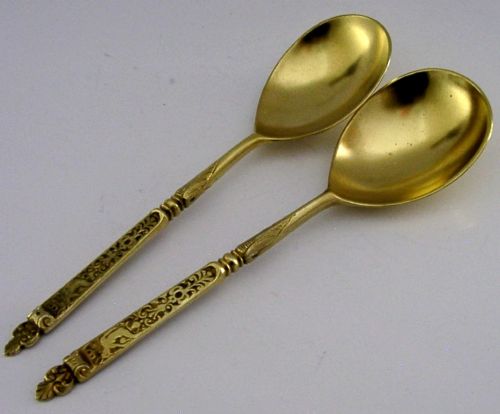
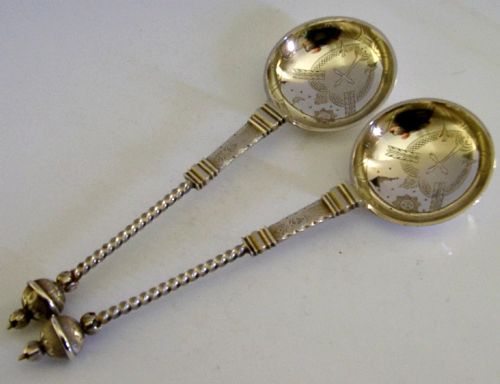
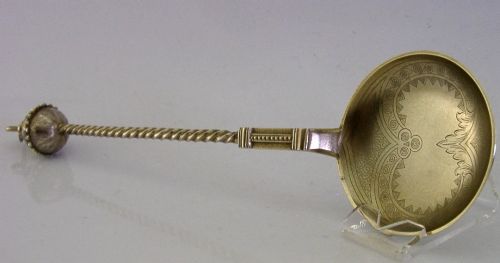
Silversmiths formed the base of each piece using solid sterling silver or continental standard silver, shaping bowls and handles through hammering, casting, and piercing techniques. Engraved handles and cast figural elements frequently decorate the stems.
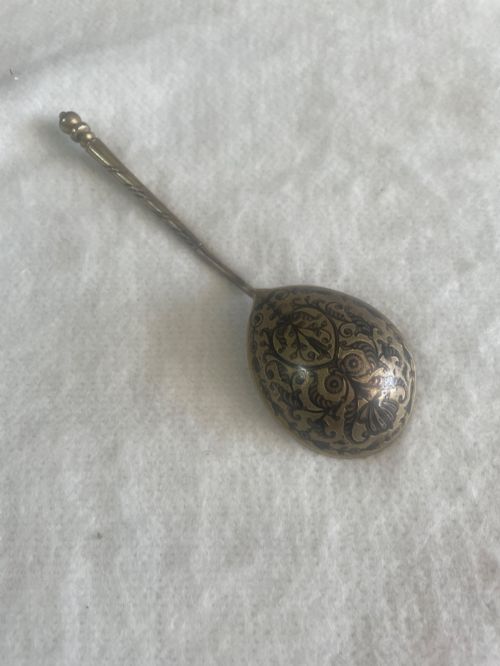
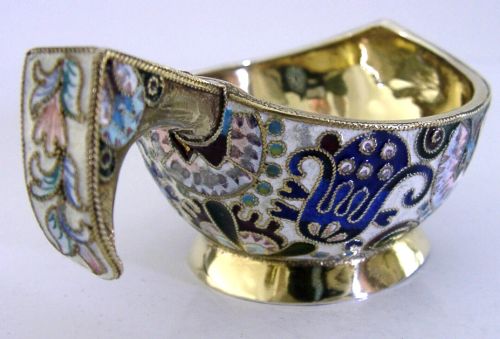
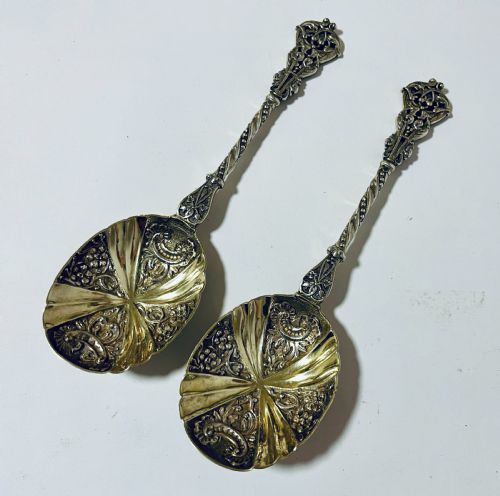
The characteristic golden finish was achieved by applying a liquid gold amalgam to the silver base and heating it to bind the layer securely, a process known as fire gilding or vermeil. Enamel work, niello, and colourful cloisonné details appear on selected continental and mid-century items.
Silver Gilt Spoon Retail Price Guide 2026
Typical asking prices for silver gilt spoon among the pieces listed under this phrase on Sellingantiques today, from the lower quarter to the upper quarter. They describe what is for sale here now, not the wider market.
Current listings feature items incorporating velvet, silk, and vibrant enamel alongside sterling silver and gold gilt.
Quality factors
The thickness and evenness of the gold wash determine the durability and visual richness of the surface. Surviving gilding that retains its original depth and lustre indicates careful handling over generations.
The crispness of chased or engraved detailing on bowls and handles separates standard production from exceptional silversmith work. Pieces featuring fully marked components and matching original velvet-lined cases command greater attention.
peter & Anne Bateman·William Chawner II·David Andersen·Dmitrii Nikolaevich Nikolaev·Vasily Agafonov·Sebastian Crespell·Elizabeth Morley·Tiffany & Co
The Silver Gilt Spoon Glossary
- Silver Gilt
- Solid silver that has been coated with a thin layer of gold, often referred to as vermeil.
- Berry Spoon
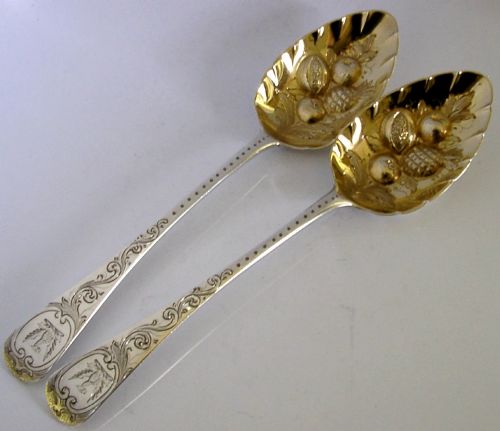
- A large serving spoon, typically Georgian or Victorian, featuring fruit and leaf chasing added to the bowl long after initial manufacture.
- Caddy Spoon
- A short spoon designed specifically for measuring loose tea leaves from a storage caddy.
- Cloisonné
- An enamelling technique where metal wire partitions are soldered to the silver base to hold coloured enamel paste before firing.
- Niello
- A black metallic alloy used as an inlay on engraved silver surfaces to create high-contrast decorative patterns.
- Sifter Spoon
- A perforated spoon used for dusting sugar over fruit or pastries.
Silver Gilt Spoon: Frequently Asked Questions
What is a silver gilt spoon used for?
These spoons served specialised dining functions including serving fruit, stirring coffee, or measuring tea from caddies. Many larger examples were designed for ceremonial occasions such as baptisms or weddings.
Because the gold wash protected the silver from tarnishing when touching acidic foods, they were frequently employed for citrus, berries, and preserves.
How do I clean a silver gilt spoon?
Maintenance requires gentle washing in warm soapy water with a soft cloth. Harsh silver dips or abrasive cloths will wear away the delicate gold layer.
Store them in anti-tarnish rolls or lined presentation cases to protect the gilt surface from scratching against other cutlery.
How can I tell the period of a spoon?
Hallmarks stamped into the metal provide the most reliable dating evidence, showing assay office symbols, date letters, and maker's marks. Georgian and Victorian pieces often display distinct duty marks and monarch profiles.
Stylistic indicators such as Art Nouveau curves, Art Deco geometry, or heavy Victorian fruit chasing also point toward specific manufacturing decades.
Are caddy spoons different from normal spoons?
Caddy spoons feature notably short handles designed to fit inside tea canisters, paired with wide, shallow bowls shaped like shells, leaves, or shovels. They emerged as a distinct tableware form during the Georgian period.
Their varied and imaginative designs made them popular collector items separate from standard flatware services.