






Antique Cutlery Collectibles
These antique cutlery collectibles span centuries of domestic silver and metalware, offering tactile links to historic dining tables.
Antique Cutlery Collectibles
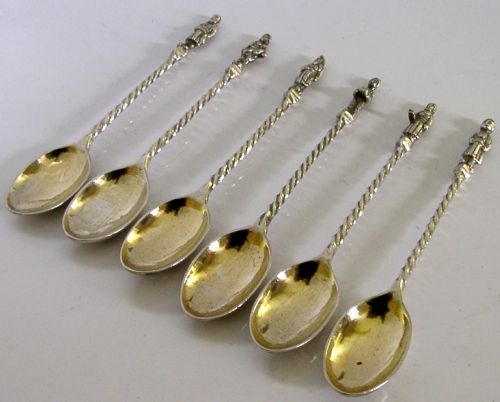
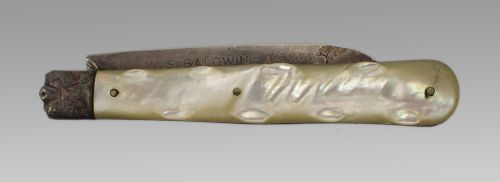
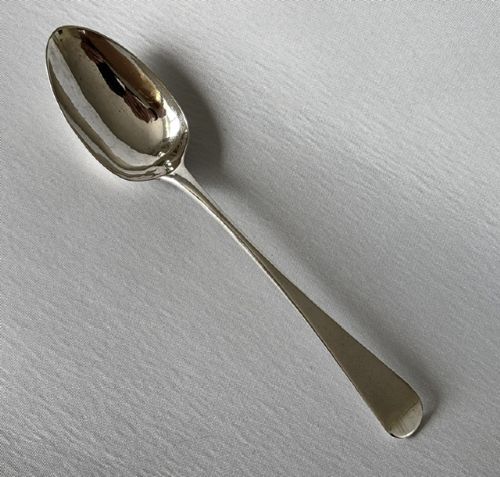
Antique cutlery collectibles encompass historical eating implements and serving tools, predominantly taking the form of spoons ranging from the seventeenth to the nineteenth century. Buyers searching this phrase encounter early domestic items forged from sterling silver, Britannia standard silver, silver gilt, and pewter.
Originating largely from English workshops alongside Ottoman and French Empire examples, these objects reflect distinct regional manufacturing traditions. Collectors find pieces bearing clear provincial or London hallmarks alongside unmarked early metalware.
How they were made
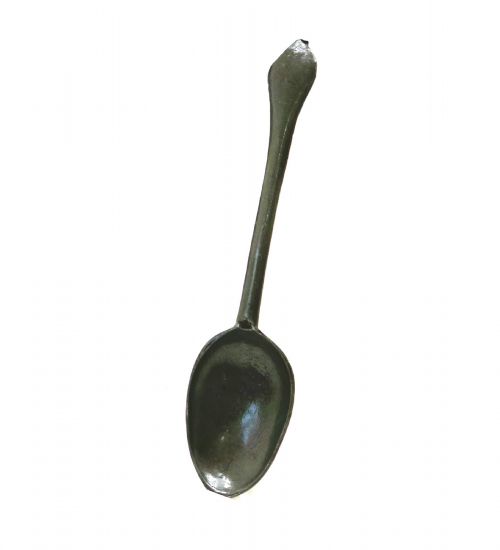
Pewter objects utilised tin alloys cast in moulds to create utilitarian forms like dog nose spoons. Makers finished these metalware items through filing and polishing to achieve smooth functional surfaces.
Antique Cutlery Collectibles Retail Price Guide 2026
Typical asking prices for cutlery collectibles among the pieces listed under this phrase on Sellingantiques today, from the lower quarter to the upper quarter. They describe what is for sale here now, not the wider market.
Listings feature items from the 17th Century, 18th Century, 19th Century, and Victorian periods fashioned in solid silver, sterling silver, pewter, and silver plate.
What varies in quality
The survival of original hallmarks and maker stamps dictates the historical clarity of early flatware. Crisp touchmarks and legible date letters provide verifiable provenance that elevates an item's documentary importance.
The physical weight of the metal and the retention of original bowl profiles separate standard examples from exceptional survivals. Excessive wear from historic usage thins silver bowls and softens engraved crests over time.
Peter and Jonathan Bateman·William Penstone·Isaac Davenport·Benjamin Prosser·Thomas Issoa·Daniel Cary·John King
The Antique Cutlery Collectibles Glossary
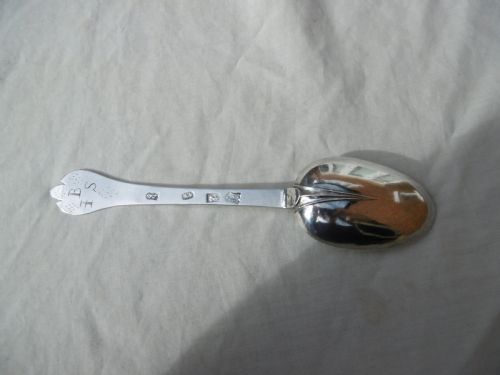
- Trefid spoon
- An early form of flatware featuring a flattened, three-lobed terminal handle popular in the late seventeenth century. This design emerged during the reign of Charles II.
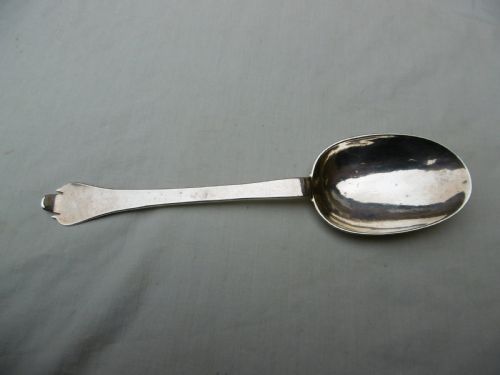
- Dognose tablespoon
- A transitional spoon style featuring an upturned rounded terminal with a central rib, developed in the late seventeenth century. It evolved directly from the earlier trefid pattern.
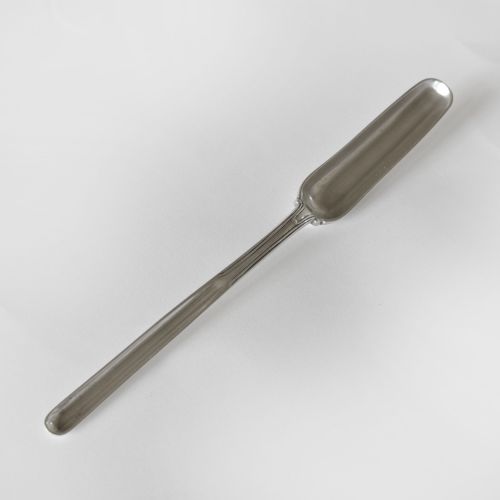
- Marrow scoop
- A narrow, trough-like implement used for extracting marrow from animal bones during formal dining. These items date predominantly from the Georgian era.
- Seal top spoon
- A sixteenth or seventeenth-century spoon featuring a small cast finial shaped like a signet seal on the end of the handle. They represent some of the earliest collectible silver eating implements.
- Silver gilt
- Silver objects that have been coated with a thin layer of gold applied through chemical or fire gilding methods. This technique added decorative contrast and protected the underlying metal.
Antique Cutlery Collectibles: Frequently Asked Questions
How do I identify a seventeenth-century spoon?
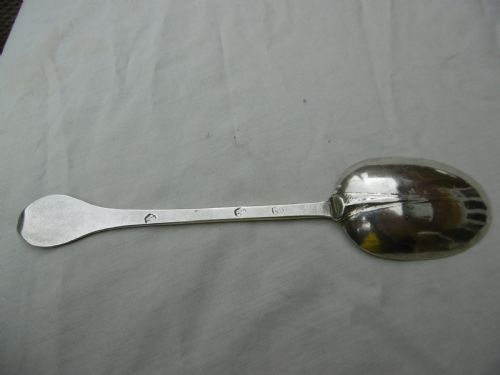
Seventeenth-century spoons typically feature distinctive handle shapes like the trefid terminal or seal top, paired with hand-cut hallmarks stamped directly into the metal.
Examining the shape of the bowl and the thickness of the stem helps confirm the period of manufacture before consulting official silver registry records.
What is the difference between sterling and Britannia silver?
Sterling silver contains a standard proportion of ninety-two point five percent pure silver, while Britannia silver contains a higher purity of ninety-five point eight percent.
This stricter standard was mandated in England during the late seventeenth and early eighteenth centuries, leaving distinct hallmarking stamps on cutlery from that era.
How were marrow scoops used?
Marrow scoops were utilised at formal dining tables to extract edible bone marrow from joints of meat during multi-course meals. Their double-ended design provided narrow and wider troughs for different bone sizes.
These specialised silver tools remained popular throughout the Georgian period before dining habits shifted in the nineteenth century.
Are pewter spoons earlier than silver ones?
Pewter spoons span similar early periods to domestic silver, serving as an accessible alternative for households unable to afford precious metals. Surviving examples from the early eighteenth century demonstrate comparable craftsmanship in base metal alloys.
These pieces offer insight into everyday domestic dining before silver plating techniques became widespread.