
Art Nouveau Silver
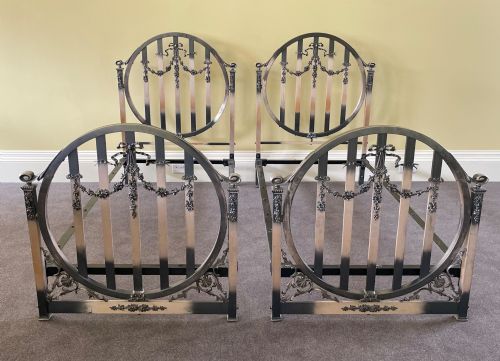
When you seek art nouveau silver, you find flowing botanical forms and whiplash lines rendered in precious metal.

What these pieces are
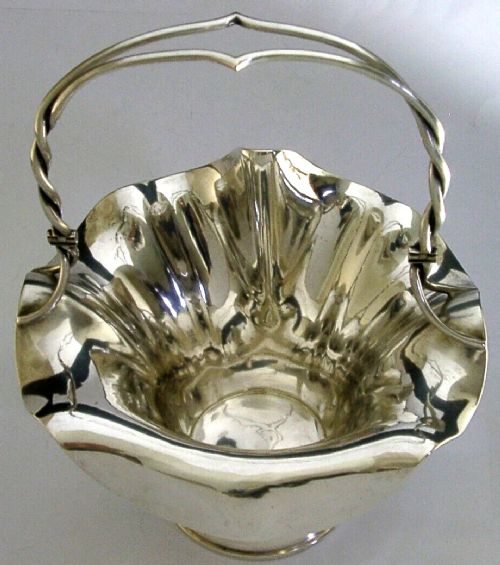
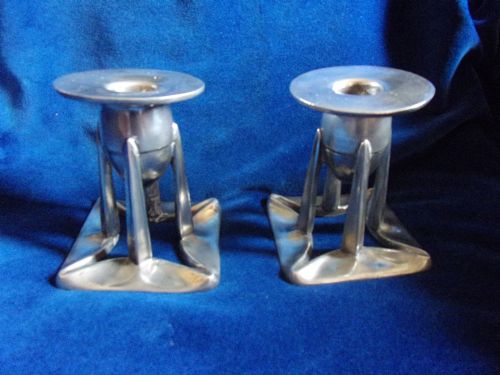
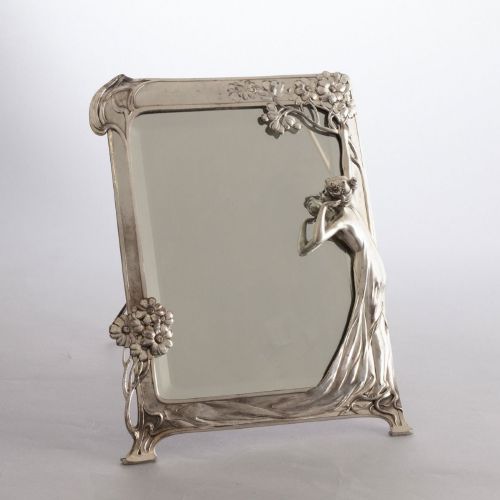
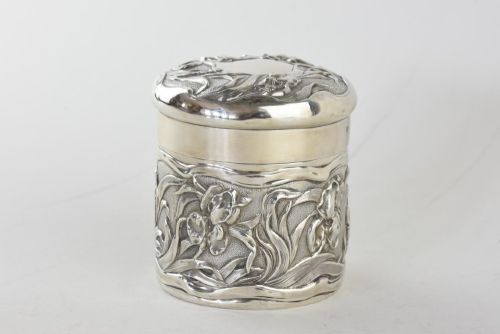
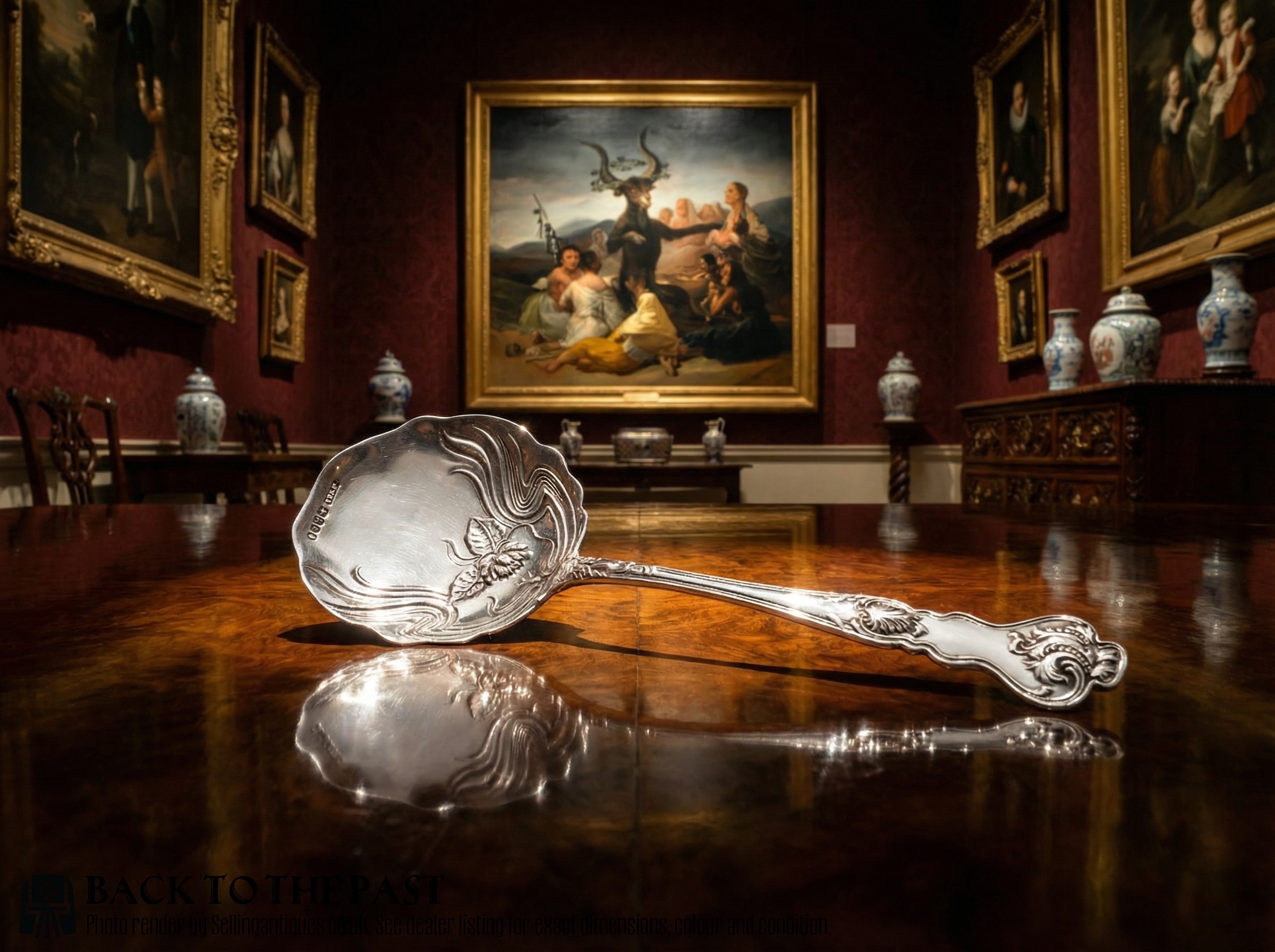
Art nouveau silver encompasses decorative objects, tableware, and personal accessories produced during the late nineteenth and early twentieth centuries. The aesthetic prioritises organic motifs, sinuous plant stems, floral shapes, and stylised female figures derived from natural growth.
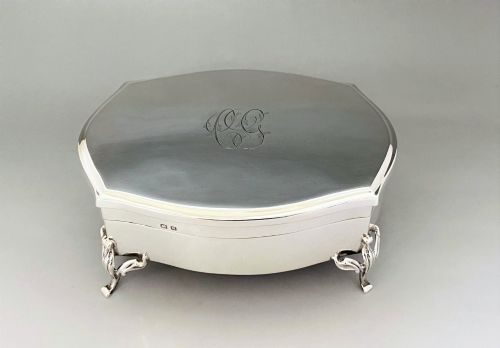
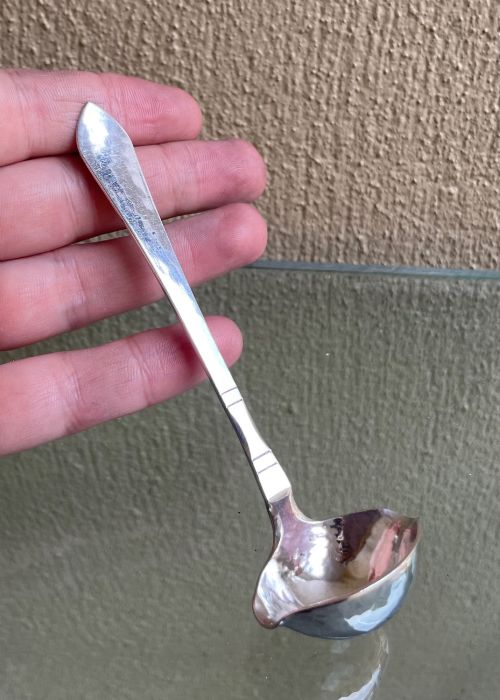
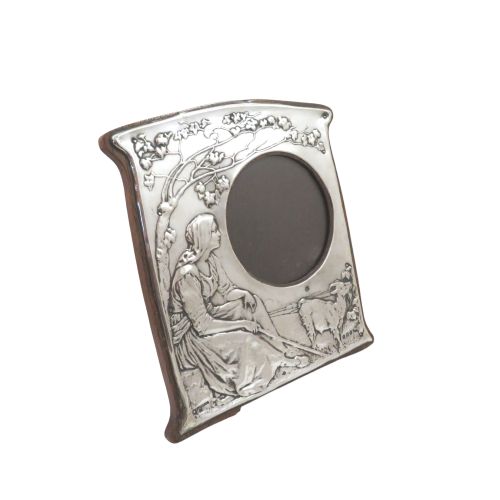
Buyers frequently encounter smaller domestic and personal items within this category. Card cases, pill boxes, photo frames, trinket dishes, and flatware appear regularly alongside jewellery and desk items.
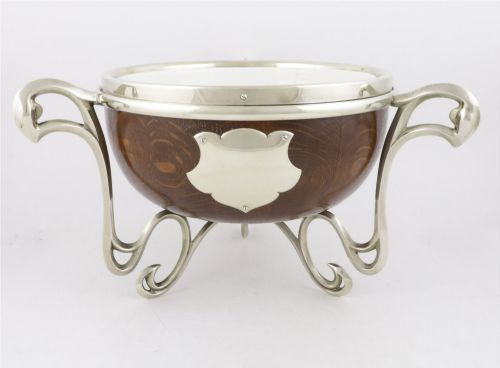
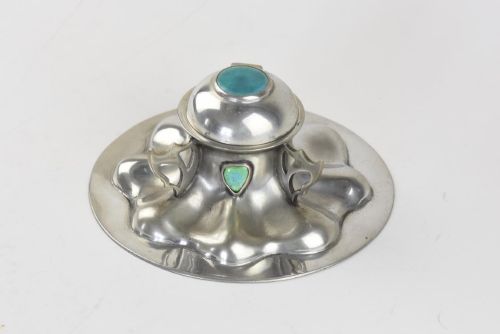
The material record spans standard sterling silver alongside solid silver and silver plate, frequently combined with glass, enamel, moonstone, and paste stones. Pieces originate from English, French, Danish, and wider European workshops.
How they were made
Silversmiths employed techniques such as casting, piercing, hammering, and repoussé to shape sterling silver into fluid three-dimensional contours. Pierced openwork frames revealed glass inserts or velvet backings behind intricate metal foliage.
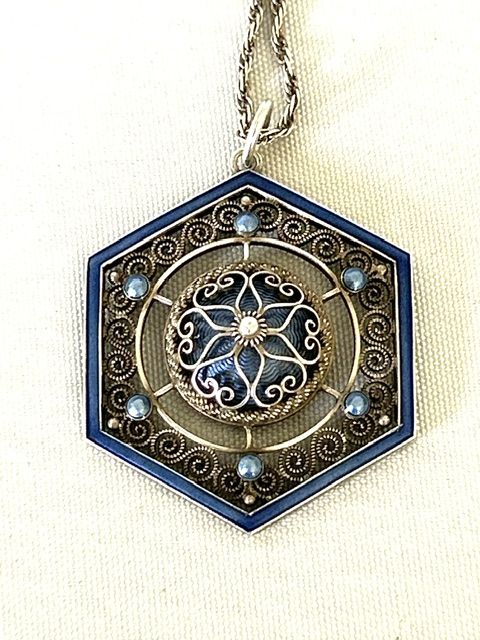
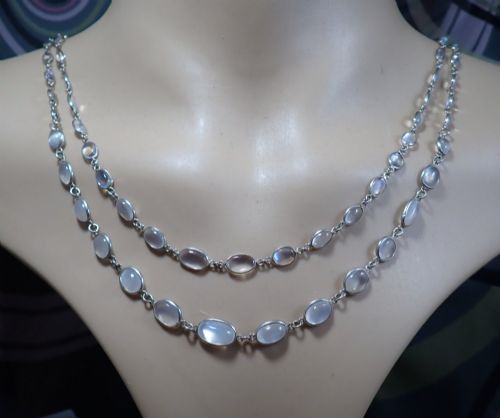
Surface ornamentation often incorporated colourful vitreous enamel, guilloché work, or cabochon moonstones set directly into the silver mounts. Workshops also utilised silver overlay applied to art glass scent bottles and vases.
Danish production methods under specific modernist and Skønvirke aesthetics leaned towards clean hammered surfaces and distinct natural mineral stones. English manufacturers favoured crisp stamped hallmarks alongside chased floral details.
Retail Price Guide 2026
Typical UK retail prices for art nouveau silver, calculated from the Sellingantiques database of over a million retail prices indexed since 2003. This retail price guide relies exclusively on Sellingantiques data; no external sources or auction records are used, so the figures do not describe the wider market.
Materials appearing across the inventory include sterling silver, silver plate, pewter, moonstone, paste stones, glass, and enamel.
What varies in quality
The definition of the organic modelling dictates the visual success of a piece. Superior examples display crisp, purposeful undulations in the plant stems and maiden hair without losing the natural rhythm of the design.
The integration of secondary materials elevates the standard of craftsmanship. High grade items feature evenly fired enamel without chips, secure stone settings, and balanced proportions between the silver mount and the glass or ceramic body.
Maker attribution and clarity of hallmarks influence the distinction between standard commercial output and workshop pieces. Pieces carrying marks from noted designers or specialist silversmiths demonstrate superior hand finishing.
Georg Jensen·Evald Nielsen·Oliver Barker·William Comyns·Henry Matthews·John Atkins·WMF·Meyle and Mayer·A E Jones·A and J Zimmerman·Sampson Mordan·William Henry Sparrow·William Kerr
The Art Nouveau Silver Glossary
- Sterling silver
- An alloy containing ninety-two point five percent silver by mass, with the remainder composed of copper or other metals. This standard grade forms the primary material for the majority of these domestic objects and accessories.
- Repoussé
- A metalworking technique where the silversmith hammers the design from the reverse side to form raised relief on the front. This method creates the characteristic swelling flower petals and seed pods seen on frames and trinket boxes.
- Guilloché enamel
- Decorative technique where a precise geometric pattern is mechanically engraved into the silver beneath a translucent layer of coloured enamel. It provides depth and light reflection on brooches and vanity items.
- Skønvirke
- The Danish iteration of the Arts and Crafts and Art Nouveau movements, translating to beautiful work. It emphasises honest construction and natural materials.
- Hallmark
- Official mark stamped onto precious metals by an assay office to indicate purity, maker, and year of manufacture. These small punches authenticate the origin of British and European items.
Frequently Asked Questions
How do I clean antique silver?
Use a soft cloth and a specialised non-abrasive silver polish to gently remove tarnish from the raised surfaces. Avoid aggressive scrubbing that might wear down fine chased details or damage enamel and inset stones.
Store pieces in dry environments away from direct sunlight and humidity. Acid-free tissue paper helps prevent rapid re-tarnishing when items remain in storage for extended periods.
Were these items used daily?
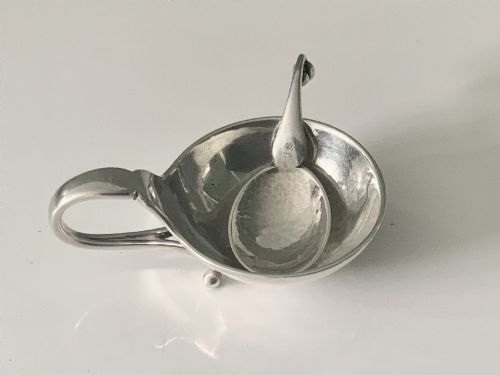
Many objects served functional roles on Edwardian dressing tables, writing desks, and dining rooms. Card cases, purse frames, salt cellars, and preserve spoons saw active service during formal social occasions.
Other pieces, such as photo frames and decorative brooches, were primarily ornamental or personal adornments. Their survival in good condition depends on how carefully previous owners handled them.
How do I date art nouveau silver?
Assay office marks and date letters stamped into the silver provide the most reliable chronological markers. British pieces feature specific shield shapes and letters corresponding to the year of manufacture.
Stylistic shifts also help narrow the period, moving from early organic whiplash lines around nineteen hundred towards more geometric Edwardian and later modernist transitions.
Can I wear art nouveau brooches?
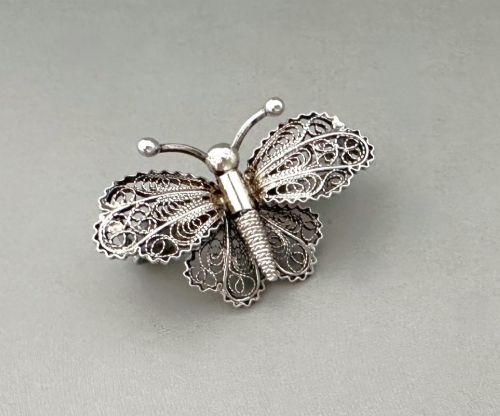
Sturdy brooches and pendants function well for occasional wear provided the pin mechanisms and safety catches remain secure. Examine the hinge and pin assembly to ensure structural integrity before attaching them to heavy garments.
Delicate enamel or gem-set pieces require cautious handling to prevent accidental impact against hard surfaces. Storing them in dedicated boxes protects the fragile metalwork when not being worn.