



Vintage Gravy Spoon
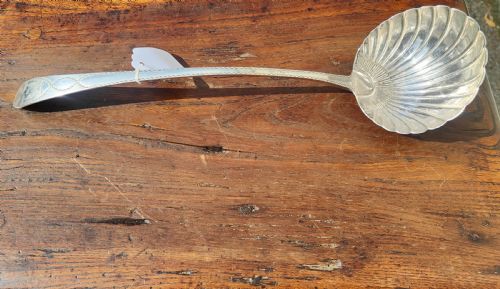
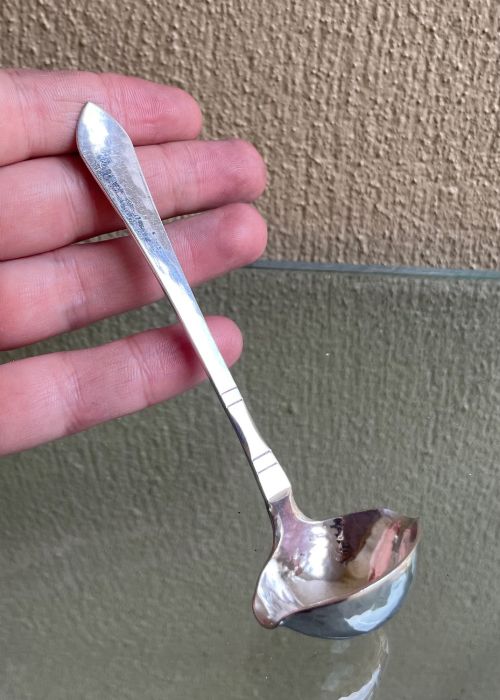
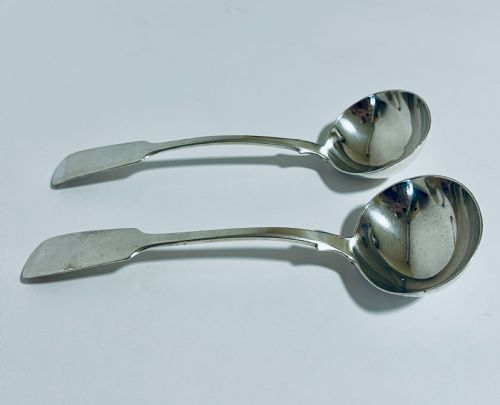
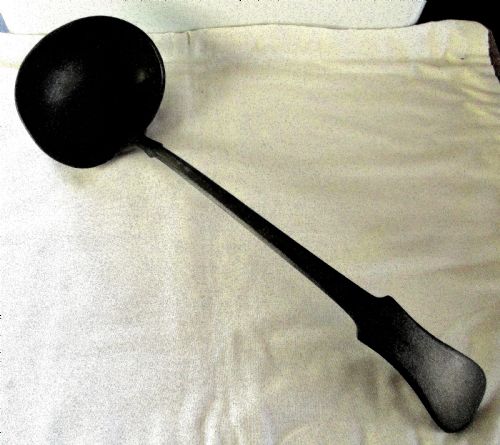
These vintage gravy spoon options bring silver, pewter, and metal alloy service to the table, offering classic forms for dining.
Vintage Gravy Spoon
When you search for vintage gravy spoon items, you find a variety of serving utensils, ladles, and spoon warmers spanning multiple periods. The selection includes pieces from the Georgian, Victorian, and Edwardian eras, alongside later twentieth century designs.
Most entries belong to broader categories like serveware and cutlery, featuring forms such as sauce ladles and straining spoons. Silver plate and solid silver dominate the physical evidence, though pewter and metal alloy appear as well.
Geographic origins vary widely across the inventory, taking in Irish, English, Scottish, and continental European workshops. Collectors encounter everything from heavy continental pieces to simpler provincial utility spoons.
How they were made
Makers shaped these utensils from sterling silver, solid silver, silver plate, pewter, and metal alloy using traditional metalworking techniques. Workshops formed bowls and handles through casting, hammering, and soldering.
Decorative elements and patterns, such as the Colonial style or Danish Modern aesthetics, were applied by hand or struck with dies. Pierced work appears on strainer spoons and straining ladles to separate liquids from solids.
Vintage Gravy Spoon Retail Price Guide 2026
Typical asking prices for vintage gravy spoon among the pieces listed under this phrase on Sellingantiques today, from the lower quarter to the upper quarter. They describe what is for sale here now, not the wider market.
One exceptional piece keeps your gravy hot by doubling as a novelty spoon warmer.
What varies in quality
Substance and heft separate heavier solid silver and pewter items from lighter plated metal alloy pieces. The integrity of the original metal surface and the crispness of maker marks or patterns dictate the standing of an individual utensil.
Specialised functions, such as integrated straining mechanisms or novelty spoon warmer designs, separate standard ladles from more complex workshop productions.
Georg Jensen·Dixon & Son·TIFFANY & CO.
The Vintage Gravy Spoon Glossary
- Gravy spoon
- A large serving spoon designed for transferring sauces and gravies to the plate. These pieces often feature deeper bowls than standard dining spoons.
- Sauce ladle
- A small utensil with a rounded bowl and a curved handle meant for serving condiments or gravies. They appear frequently in silver and silver plate.
- Strainer spoon
- A utensil featuring pierced holes in the bowl to separate solid ingredients from liquids during serving. Some Georgian examples include built-in strainers.
- Pewter
- A malleable metal alloy historically used for tableware and hollowware. It contains tin combined with copper, antimony, or bismuth.
- Silver plate
- A base metal core coated with a thin layer of silver. This technique offered a bright finish at a lower cost than solid silver.
Vintage Gravy Spoon: Frequently Asked Questions
What is a vintage gravy spoon used for?
These utensils serve sauces, gravies, and thin condiments from a boat or tureen to individual dinner plates. Their deep bowls and long handles help manage hot liquids safely at the table.
Historically, they formed part of larger flatware and hollowware services for formal dining. Today, collectors use them both as functional tableware and as display pieces.
How do I identify a Georgian ladle?
Georgian pieces date from the reigns of the British monarchs George I through George IV, spanning the eighteenth and early nineteenth centuries. They often feature distinct provincial hallmarking or Dublin assay marks.
Design traits from this period lean towards traditional forms in solid silver and pewter. Maker stamps on the reverse of the handle provide further clues to their exact origin.
What is the difference between solid silver and silver plate?
Solid silver utensils consist of precious metal all the way through, often bearing hallmarks that indicate purity and origin. Silver plate uses a base metal core covered by a thin outer layer of silver.
Over time, heavy use can wear down plated surfaces to reveal the underlying metal. Solid silver develops a patina but retains its material composition throughout.
How should I clean silver serving utensils?
Careful washing in warm water with mild washing-up liquid removes everyday residues safely. Soft cloths prevent scratching the polished surface during routine maintenance.
Harsh abrasive dips or scrubbers strip away fine patinas and damage antique plating or hallmarks. Professional silver polish should be used sparingly and only when necessary.