


Edwardian Silver Caddy Spoon
An Edwardian silver caddy spoon brings precision and charm to the tea table, built to measure loose leaves with elegance.
Edwardian silver caddy spoon
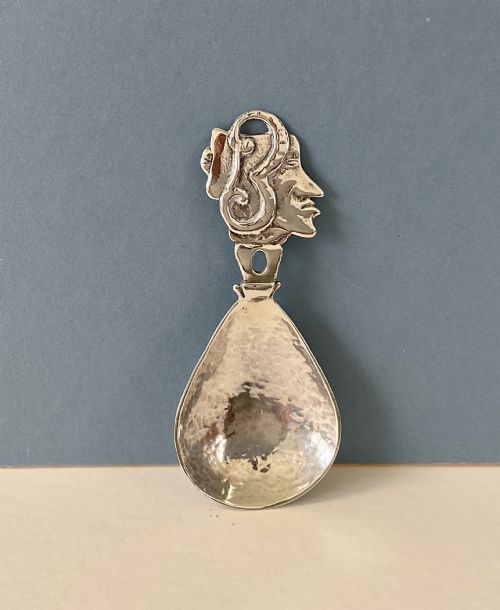
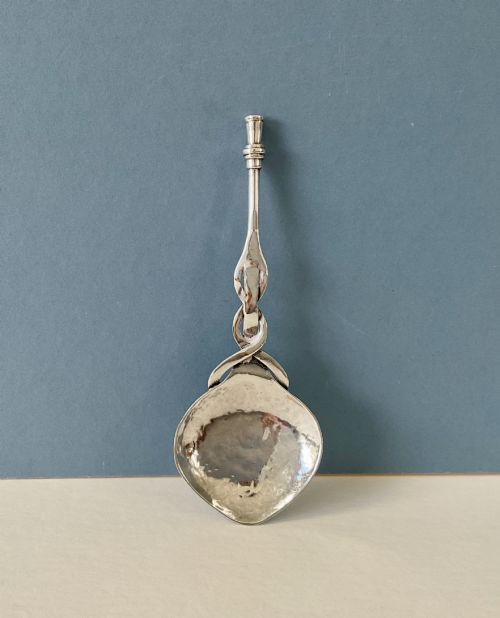
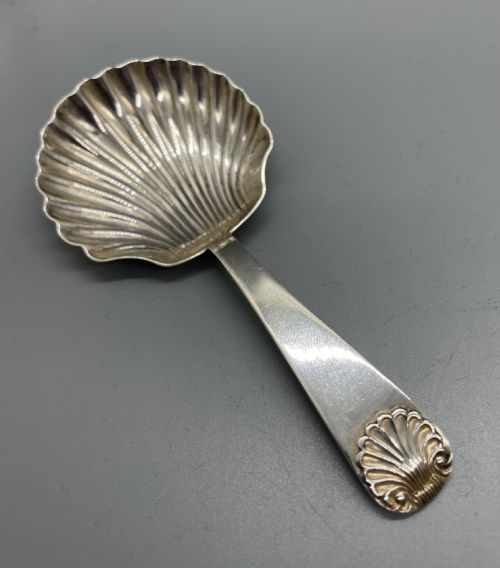
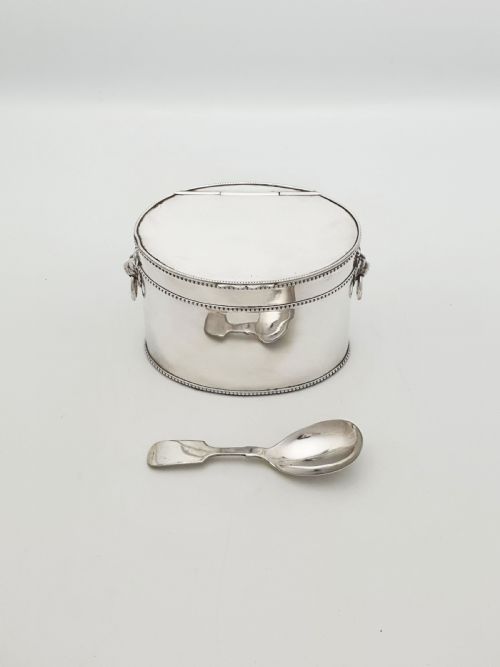
The edwardian silver caddy spoon is a small implement designed specifically for measuring loose leaf tea from a caddy into a pot. These pieces range from standard shovel bowls to whimsical novelty forms.
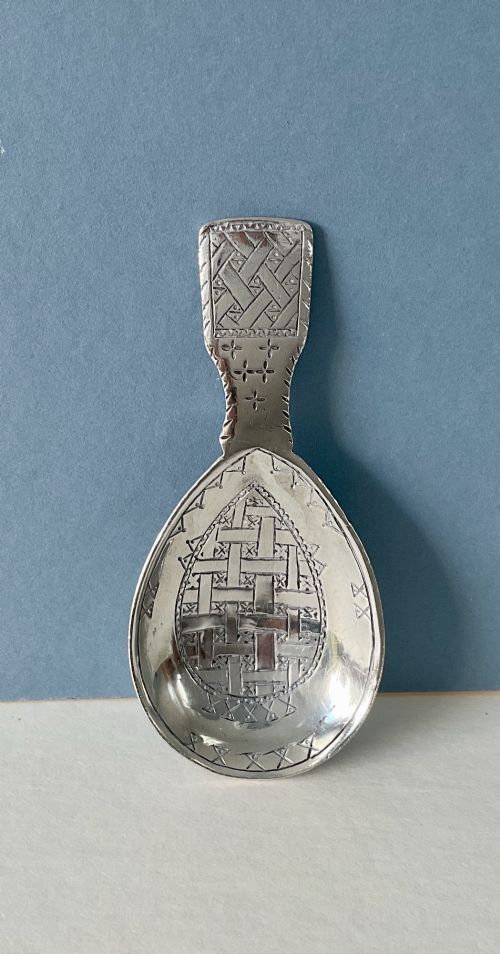
Most examples date from the Edwardian period through to the early George V years, spanning the first two decades of the twentieth century. They appear in styles including traditional floral engraving, Arts and Crafts hand-working, and novelty shapes.
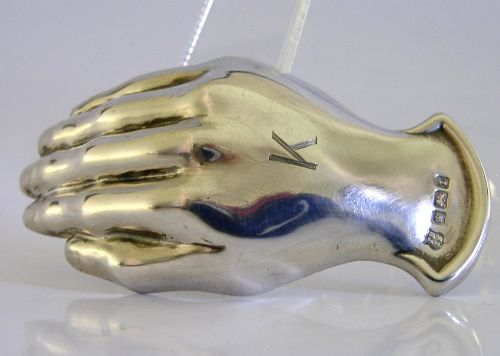
Makers working in regional assay offices across England produced these items, utilising established forms alongside inventive novelty designs like jockey caps and hands.
How they were made
Makers constructed these spoons primarily from sterling silver, with some examples produced in silver plate. Workshops stamped hallmarks onto the metal to indicate the assay office, year, and standard.
Techniques involved pressing, casting, and hand-chasing to create textured surfaces like rose details or shell bowls. Piercing was also employed to form decorative patterns within the metal.
Retail Price Guide 2026
Typical UK retail prices for edwardian silver caddy spoon, calculated from the Sellingantiques database of over a million retail prices indexed since 2003. This retail price guide relies exclusively on Sellingantiques data; no external sources or auction records are used, so the figures do not describe the wider market.
Listings for this phrase include pieces from the Edwardian period, 1910, and 1920, fashioned in sterling silver and silver plate.
What varies in quality
Quality rests on the crispness of the chasing and the weight of the metal used in the bowl and stem. Finer specimens display deeply defined motifs rather than shallow pressings.
The distinction between standard production spoons and novelty items like jockey caps or hands lies in the sculptural detail. Maker attribution also influences the standing of a piece within this category.
Lee and Wigfull·George Unite·Thos Bradbury and Sons·Levi and Salaman
The Edwardian Silver Caddy Spoon Glossary
- Hallmark
- A series of stamped marks indicating the metal standard, assay office, and year of manufacture. These symbols allow collectors to trace the origin of each piece.
- Assay office
- An official body responsible for testing the purity of precious metals and stamping the correct marks. Towns like Sheffield, Birmingham, London, and Chester operated these offices.
- Sterling silver
- A silver alloy containing ninety-two point five percent pure silver and seven point five percent other metals, usually copper. This standard formed the basis of most solid silver spoons.
- Novelty spoon
- A piece shaped to represent an object, animal, or figure rather than following a standard spoon silhouette. Jockey caps and hands are notable examples of this form.
- Chasing
- A metalworking technique where the artisan taps the front of the metal with punches to raise or detail a design. This method added texture to floral and leaf motifs.
Frequently Asked Questions
What is an edwardian silver caddy spoon?
An edwardian silver caddy spoon is a small utensil created to scoop loose leaf tea from a storage vessel. They were essential accessories during the formal tea rituals of the early twentieth century.
Craftsmen produced them in various styles, from simple engraved bowls to distinct novelty shapes like jockey caps. Their compact size made them both practical tools and decorative collectibles.
How do I know if my spoon is Edwardian?
You can determine the period by examining the hallmarks stamped onto the silver. These marks include a date letter corresponding to the assay office records of the era.
Stylistic elements like Arts and Crafts influences or delicate floral chasing also point toward the early twentieth century. Comparing the assay marks with established registers provides the exact year of production.
How were caddy spoons used?
These spoons served the specific purpose of transferring loose tea leaves from a caddy into a teapot. Their short handles and broad bowls were proportioned for reaching into narrow containers.
Over time, they evolved from purely functional items into decorative tableware displayed alongside tea caddies and services.