



Equestrian Silver Collectibles
Equestrian silver collectibles combine horsemanship and metalwork, offering striking forms from hunting horns to novelty vesta cases that collectors prize.
Equestrian Silver Collectibles
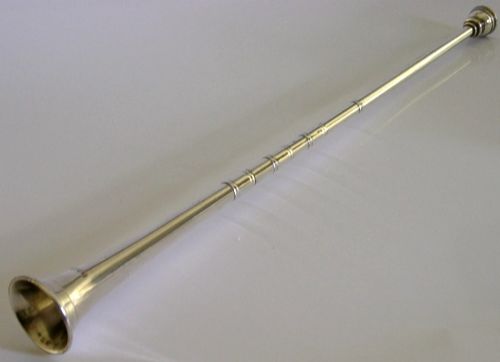
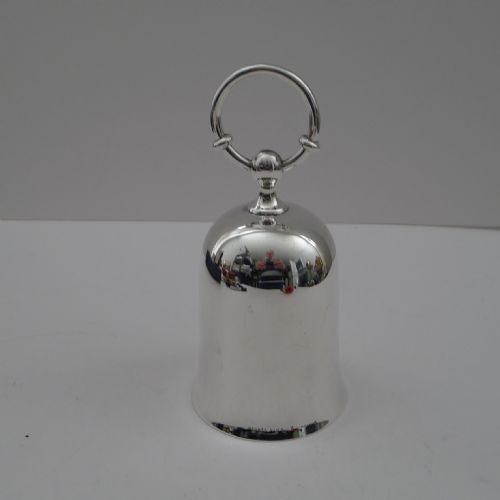
When you search for equestrian silver collectibles, you examine objects shaped by the traditions of riding, hunting, and racing. These pieces cross the Victorian, Edwardian, and later twentieth-century periods, taking the form of hunting horns, table bells, caddy spoons, walking sticks, vesta cases, and pin cushions.
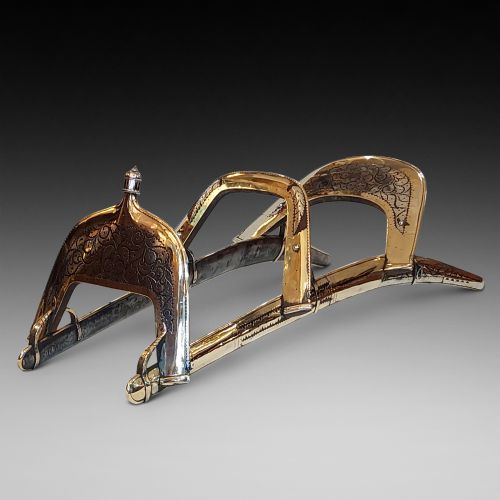
You are most likely to meet silver and silver-plated items that borrow direct motifs from the stables and the turf. Items range from ceremonial camel saddles and South American spurs in brass, iron, and steel to delicate sterling silver jockey caps and horse bit handles.
How they were made
Maker workshops utilised sterling silver, silver plate, and enamel, often combining metal with wood, horn, brass, iron, and steel. Silversmiths shaped hunting horns, bugles, and caddy spoons through traditional hammering, casting, and hallmarking processes.
Specialist items such as vesta cases and pin cushions received detailed enamel work to render racing colours accurately. Handles for walking sticks and table bells incorporated sculpted horse heads and bits, requiring precise metal shaping and assembly.
Equestrian Silver Collectibles Retail Price Guide 2026
Typical asking prices for equestrian silver collectibles among the pieces listed under this phrase on Sellingantiques today, from the lower quarter to the upper quarter. They describe what is for sale here now, not the wider market.
A gentleman can check the time, light a match on a jockey's cap, and sound a horn before walking down the lane.
What varies in quality
The standard of an equestrian piece depends upon the crispness of its casting and the fidelity of its equine details. Items that capture specific anatomical accuracy in a horse head or the exact proportions of a jockey cap stand apart.
The presence of clear hallmarks, maker marks, and well-preserved enamel finishes elevates a piece. Utility items that retain their original function, from a sounding hunting horn to a usable caddy spoon, demonstrate superior craftsmanship.
Sampson Mordan·Hermes Paris·William Neale·John Meek
The Equestrian Silver Collectibles Glossary
- Sterling silver
- A standard alloy consisting of silver and other metals, typically copper, ensuring durability while maintaining a bright lustre.
- Hallmark
- An official stamp applied by an assay office to indicate the purity of the metal, the maker, and the year of production.
- Vesta case
- A small pocket container designed to hold matches, frequently decorated with hinged lids and sporting engravings or enamel.
- Caddy spoon
- A short-handled spoon specifically sized for measuring loose tea leaves, often cast in novelty shapes such as jockey caps.
- Hunting horn
- A brass or silver wind instrument historically used during mounted hunts to signal hounds and riders.
Equestrian Silver Collectibles: Frequently Asked Questions
What periods do these pieces date from?
The items span from the nineteenth century through the Edwardian era up to the mid twentieth century. You will encounter Victorian and Edwardian manufacturing alongside later mid-century French and South American examples.
Specific dates are often confirmed by official hallmarks stamped directly onto the silver elements.
How were jockey cap items used?
Jockey cap forms primarily serve as novelty tea caddy spoons, vesta cases, or pin cushions. They reflect the immense popularity of horse racing during the Victorian and Edwardian periods.
While some functioned as desk or vanity accessories, others celebrated specific historical racing figures and colours.
What materials accompany the silver?
Makers frequently paired silver and silver plate with organic materials like horn and wood. Iron, steel, brass, and enamel also appear in items such as spurs, walking stick handles, and coloured racing vesta cases.
These mixed media combinations highlight the practical demands of equestrian gear alongside decorative arts.