


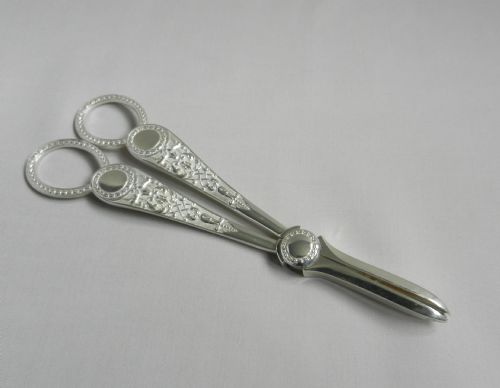
Silver Dessert Server
These silver dessert server pieces bring proper formality to table service, offering a tactile way to handle fruit, pastry and ice cream.
Silver Dessert Server
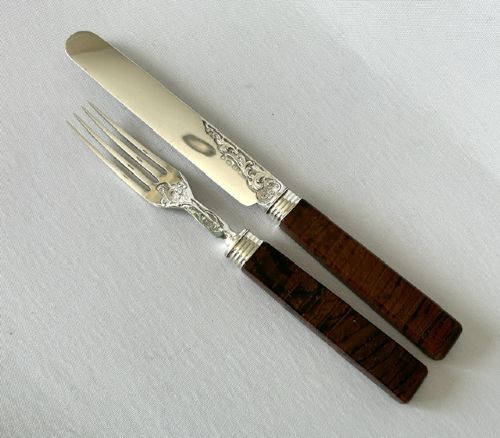
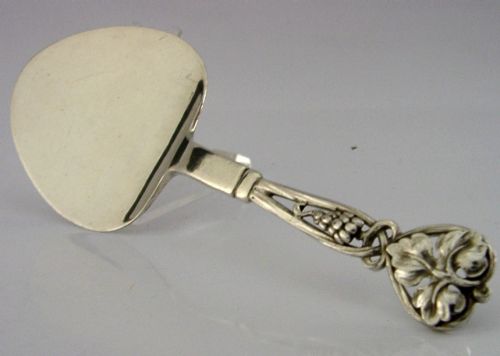
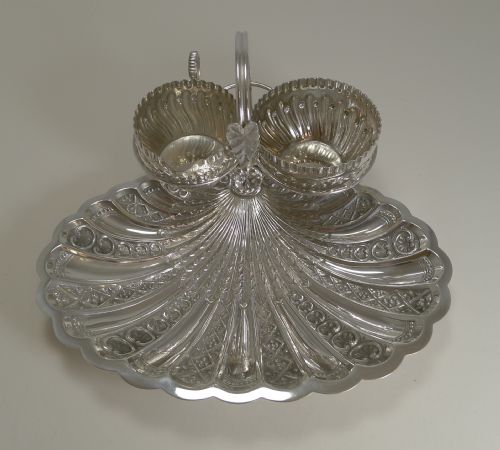
A silver dessert server encompasses specialised cutlery and serving sets designed for the final course of a meal. Buyers searching for a silver dessert server encounter forms ranging from pastry trowels and cake slices to grape shears and fruit knives, often found housed in fitted boxes.
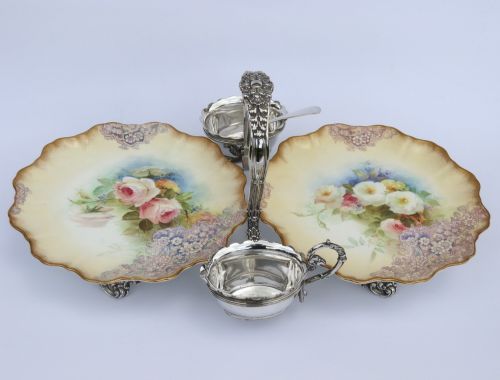
The selection on this page spans the Victorian, Edwardian and Art Deco periods, drawing on William IV, Georgian and Arts and Crafts styles. Pieces appear in both solid sterling silver and silver plate, frequently paired with organic handles or ceramic plates.
Originating primarily from English workshops, these items reflect the nineteenth and early twentieth-century preoccupation with dedicated tableware for specific foods like strawberries, ice cream and pastries.
How they were made
Makers shaped the business ends of these pieces from sterling silver or silver plate, sometimes applying a gilt finish known as silver gilt. Blades and tines were cast or forged, occasionally featuring pierced decoration or hand-engraved patterns.
Handles required different materials, drawing on mother-of-pearl, agate, porcelain and velvet alongside silver itself. These diverse elements were joined using pins or adhesives appropriate to the period of manufacture.
Grape shears allowed diners to harvest individual fruit portions without touching the main bunch, bringing vineyard etiquette directly to the parlour.
What varies in quality
Quality rests in the substance of the metal and the integrity of the construction where handle meets blade. Solid sterling silver pieces hold a different weight and status compared to silver plated alternatives, though high plating thickness preserves appearance.
The choice of handle material dictates much of the refinement, with carved mother-of-pearl or matched natural agate stones elevating the piece above standard turned handles. Complete boxed sets retaining their original fitted linings command greater interest than assembled items.
Liberty & Co·Walker and Hall·Martin Hall & Co·Roberts and Belk·Viners Ltd
The Silver Dessert Server Glossary
- Sterling silver
- A silver alloy containing 92.5 percent pure silver and 7.5 percent other metals, usually copper, to add durability. This standard forms the basis of traditional British silver manufacture.
- Silver plate
- A base metal, such as copper or nickel brass, coated with a thin layer of pure silver through electroplating or older Sheffield plating methods. It offers the appearance of solid silver at a different cost.
- Silver gilt
- Silver that has been coated with a thin layer of gold on its surface, creating a warm two-tone appearance. This technique is frequently seen on dessert servers intended for fruit.
- Mother-of-pearl
- The iridescent inner layer of mollusc shells, carved into scales to form the handle grips of cutlery and servers. It provides a smooth, tactile surface that catches the light.
- Agate
- A decorative chalcedony quartz mineral cut and polished into fitted handle panels for knives and forks. Its natural banding patterns mean no two handles are identical.
Silver Dessert Server: Frequently Asked Questions
What is a silver dessert server used for?
These implements were created to serve specific sweet foods at the end of a formal meal, such as soft fruits, pastries, cakes and ice cream. Their specialist designs prevented the transfer of flavours and protected delicate items.
Today, they function both as usable tableware for hosting and as decorative collectables that reflect historical dining habits.
How do I clean silver dessert servers?
Cleaning requires a soft cloth and a gentle silver polish formulated to lift tarnish without removing the metal layer, especially on plated items. Care must be taken around organic handles like mother-of-pearl or agate, which should not be submerged in hot water.
Store the pieces dry, preferably in a lined box or protective wrap to slow the return of oxidation.
Are these servers solid silver or plated?
The listings include both solid sterling silver and silver plated items, with hallmarks or maker stamps usually indicating the metal standard. Sterling pieces carry official assay office marks denoting their silver content.
Silver plated versions use a base metal beneath the silver coating, which is often indicated by specific trade marks or stamps on the metal.
How can I tell the period of a server?
Dating relies on a combination of stylistic clues, manufacturing techniques and official hallmarks stamped directly onto the silver. Victorian pieces often feature heavy ornamentation, while Art Deco items display geometric lines and cleaner shapes.
Boxed sets and accompanying paperwork can also provide clues to the exact decade of production.