



Silver Trowel Server
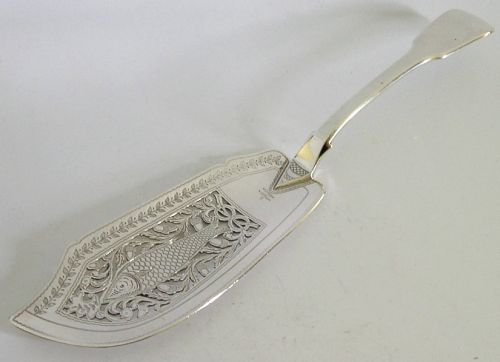
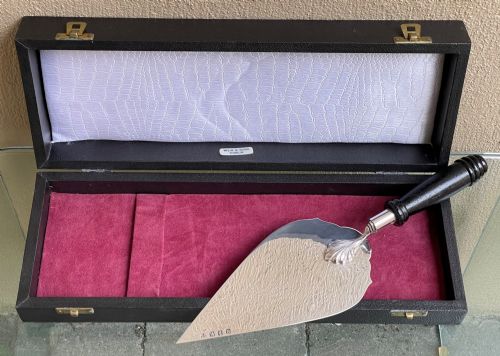
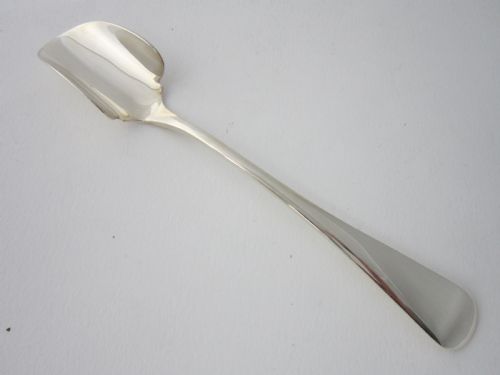
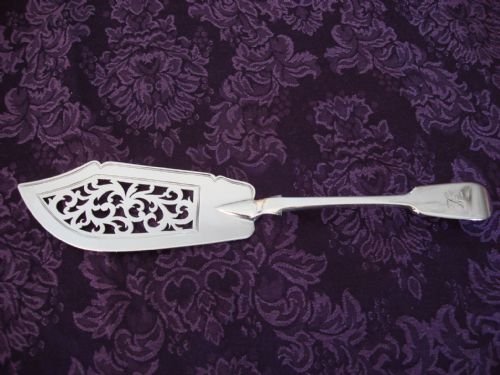
These silver trowel server pieces combine practical serving utensils and presentation trowels in sterling silver, crafted to handle pastry, fish, and cheese.

Silver Trowel Server
A silver trowel server encompasses flatware and cutlery designed for specific dining tasks, taking the form of fish slices, pastry servers, and cheese scoops. The selection bridges formal presentation trowels and practical serving utensils.
The pieces appearing on this page span the Georgian period, the Victorian era, and the twentieth century, including George IV, George V, and 1960s examples. Forms range from Irish presentation trowels to French pierced fish slices originating in Paris.
Buyers encounter handles fitted with ebony alongside solid sterling silver construction, reflecting the diverse domestic and ceremonial uses these items fulfilled over two centuries.
Materials and construction
Makers shaped these serving pieces from sterling silver and high-purity continental silver, employing piercing techniques to create decorative patterns on the blades of fish slices and cake servers. Handles frequently incorporate ebony for contrast and grip.
Silversmiths utilised traditional forging and piercing methods, striking pieces with hallmarks to record the assay office, date, and maker's mark.
Some nineteenth-century pastry servers borrowed the exact shape of bricklayers' trowels to cut through pastry.
Distinctions in standard and execution
The refinement of the pierced decoration on the blade separates standard utensils from exceptional examples, with intricate hand-piercing demanding considerable skill from the silversmith. The crispness of the engraved or chased details across the surface also indicates the level of craftsmanship.
The weight of the solid sterling silver and the balance of the handle, whether formed entirely of silver or paired with ebony, determine the substantive feel of the piece in the hand.
Martin Hall Co·Thomas Daniell·George Adams·Charles Boyton
The Silver Trowel Server Glossary
- Fish slice
- A wide, flat serving utensil with a pierced blade designed for lifting portions of fish at the dining table. They frequently feature detailed engraving.
- Presentation trowel
- A ceremonial tool created to commemorate a building foundation or similar event rather than for table service. These items often carry inscribed dedications.
- Stilton scoop
- A cylindrical or half-cylindrical utensil fashioned for digging into hard cheeses like Stilton. The handle often matches traditional flatware patterns such as Old English.
- Sterling silver
- An alloy consisting of pure silver and other metals, typically copper, standardly marked to guarantee its composition. It serves as the primary material for these serving implements.
- Pierced
- A technique involving the cutting away of metal to form decorative motifs or drainage slots on serving blades. This method lightened the utensil while adding ornamentation.
Silver Trowel Server: Frequently Asked Questions
What is a silver trowel server used for?
These pieces serve specific dining and ceremonial functions, functioning as fish slices, pastry servers, cheese scoops, or commemorative presentation trowels.
They were designed to portion food elegantly at the table or mark significant civic and architectural events.
How do I identify a Georgian fish slice?
Georgian examples display specific handle patterns and hallmarks characteristic of the late eighteenth and early nineteenth centuries. They often feature hand-pierced blades in symmetrical or floral designs.
Assay office marks and date letters stamped into the silver provide precise verification of the period.
What is the difference between a fish slice and a pastry server?
Fish slices generally feature wider, heavily pierced blades intended to drain liquids while lifting delicate fish portions. Pastry servers and trowel-form utensils have solid or lightly pierced triangular blades suited for pastry and cake.
The shape of the blade directly reflects the food it was meant to handle.
How should I care for antique silver serving pieces?
Gentle washing in warm soapy water with a soft cloth removes everyday residues without harming the metal. Regular use prevents heavy tarnish accumulation while maintaining the bright finish.
Harsh abrasive dips should be avoided to preserve the original hallmarks and surface detail.