

Victorian Sterling Silver Flatware
Victorian sterling silver flatware brings substantial nineteenth-century dining implements to the table, combining heavy metalwork with formal domestic utility.
What Victorian Sterling Silver Flatware Is
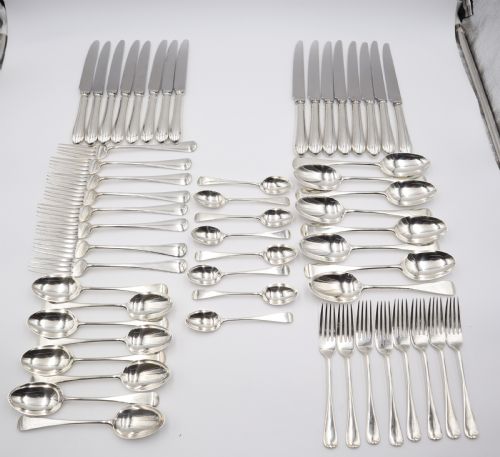
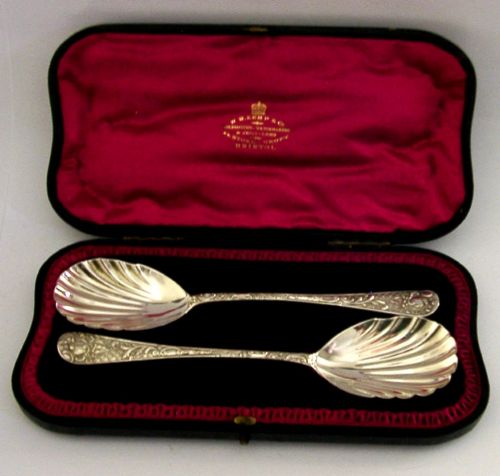
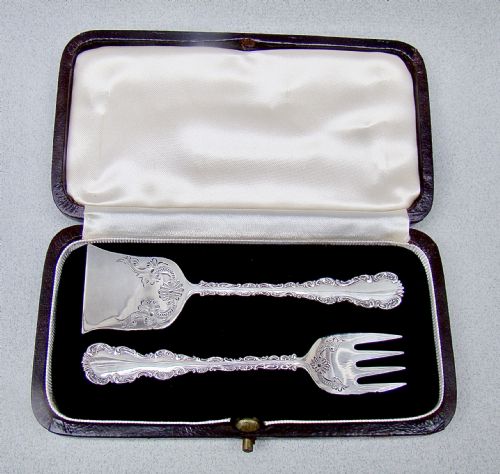
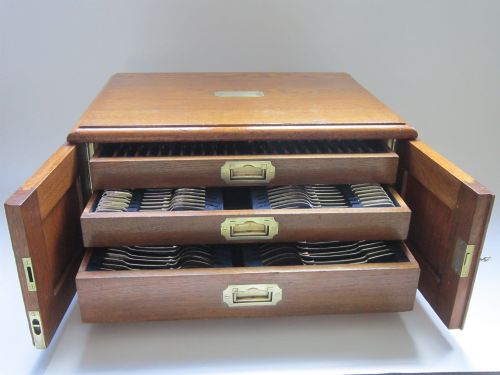
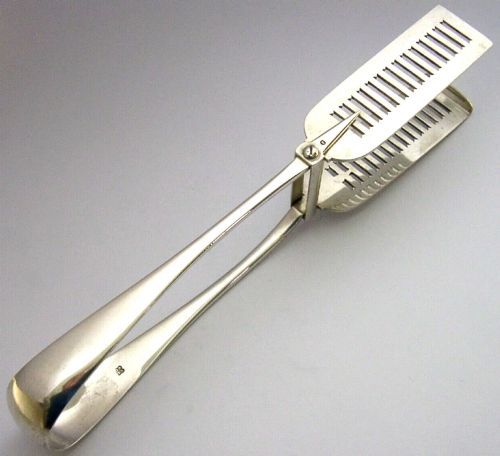
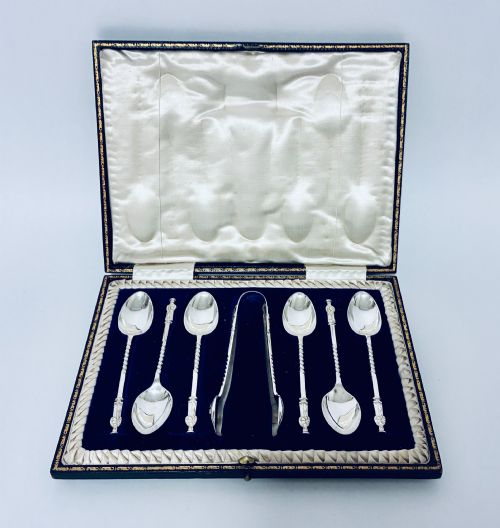
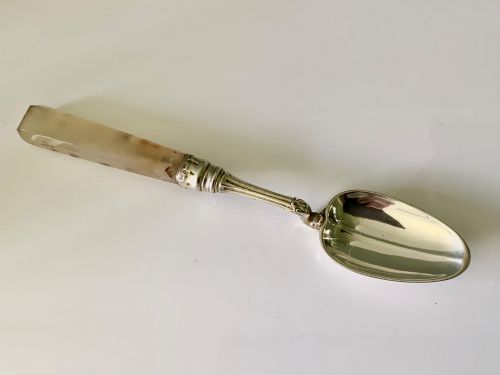
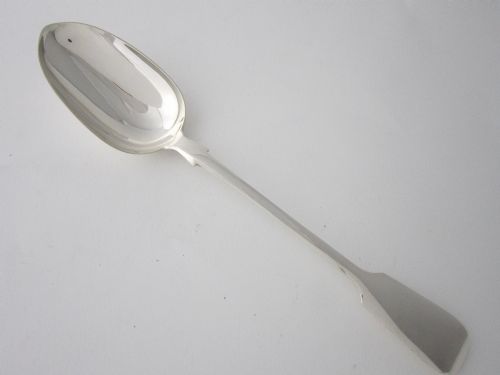
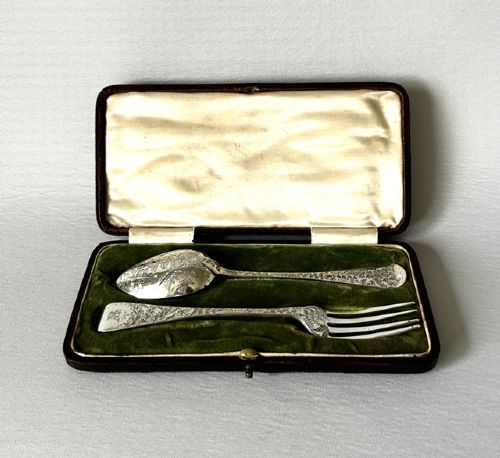
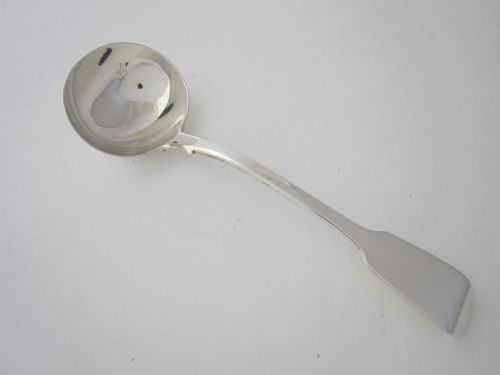
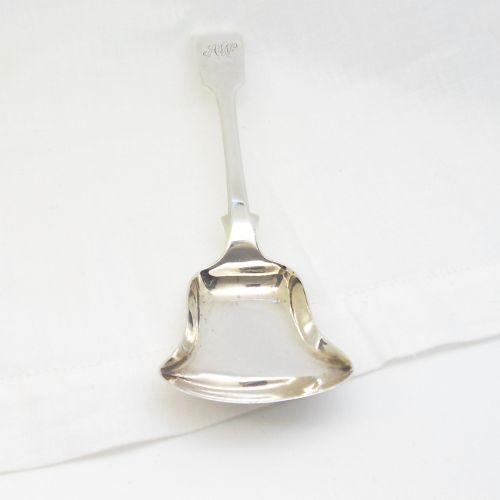
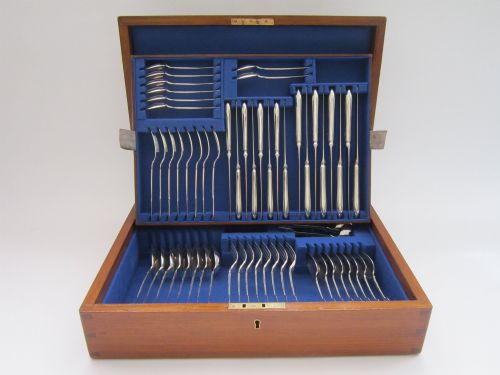
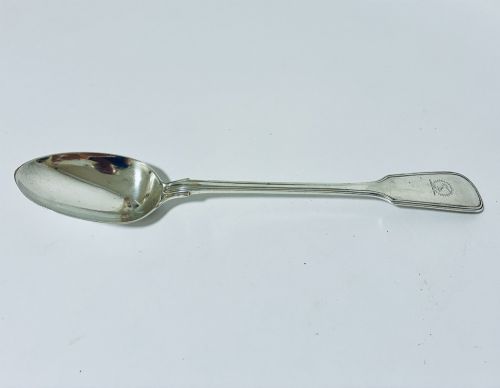
Victorian sterling silver flatware comprises functional dining implements produced during the nineteenth century, ranging from individual knives to large serving pieces. Buyers examine specialised forms such as pastry servers, gravy spoons, and pierced fish slices designed for specific culinary tasks.
How They Were Made
Makers shaped these pieces from solid sterling silver, utilising traditional casting and hammering techniques to achieve substantial weight and durability. Metal was rolled, beaten, and formed into robust shafts and bowls intended for daily dining use.
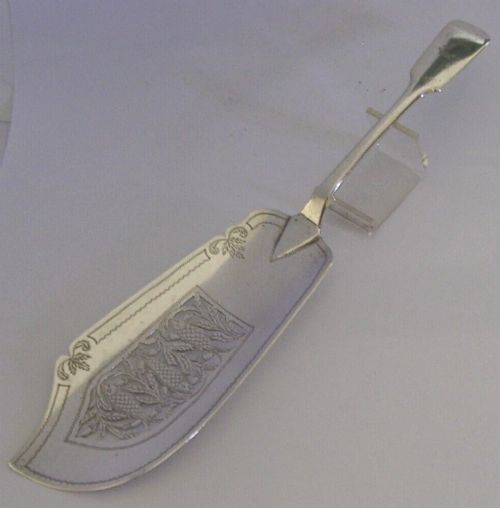
Detailed decoration often involved piercing, engraving, and casting, as seen in pierced fish slices and patterned handles. Workshops applied distinct decorative schemes, such as the prominent Queens pattern, directly onto the silver surface.
Retail Price Guide 2026
Typical UK retail prices for victorian sterling silver flatware, calculated from the Sellingantiques database of over a million retail prices indexed since 2003. This retail price guide relies exclusively on Sellingantiques data; no external sources or auction records are used, so the figures do not describe the wider market.
Victorian fish slices were thoughtfully pierced so that unwanted poaching court-bouillon stayed in the pan rather than landing on the guest's linen.
What Varies in Quality
Quality rests upon the crispness of the cast decoration and the integrity of the silver weight across the implement. Pieces by recognised makers command attention for their balanced proportions and precise piercing work.
The standard of execution in details like handles and engraved bowls separates standard utilitarian production from master silversmith output. Heavy gauge silver maintains its structural form and decorative depth through generations of use.
Martin Hall & Co·George Adams
The Victorian Sterling Silver Flatware Glossary
- Sterling silver
- An alloy containing a high proportion of pure silver combined with other metals to ensure strength in dining implements. This standard material defines the entire category of pieces on this page.
- Queens pattern
- A heavily ornamented nineteenth-century design featuring shell and scroll motifs along the borders of the handle. It remains a recognizable and collected style for formal tableware.
- Fish slice
- A wide, often pierced server specifically shaped for lifting delicate fish portions at the dining table. The piercing allowed cooking liquids to drain away before serving.
- Pastry trowel
- A specialised triangular server designed for portioning cakes and pastries cleanly. These pieces often feature elaborate engravings across the flat blade.
Frequently Asked Questions
How do I clean sterling silver flatware?
Clean silver using a gentle, non-abrasive polish specifically formulated for precious metals, working along the contours of any engraved patterns. Wash thoroughly in warm soapy water and dry with a soft cloth to prevent spotting.
Avoid harsh chemical dips that can strip the natural darkening in recessed decorative areas. Regular, gentle use often maintains a better finish than infrequent, aggressive polishing.
Can I use antique flatware daily?
These solid silver pieces were originally manufactured for robust, everyday dining use and remain entirely functional today. Hand washing preserves the metal and any delicate handle details far better than automated dishwashers.
Store pieces in tarnish-resistant rolls or lined drawers to protect the surfaces from scratching against other utensils. Proper care ensures the flatware survives for future generations of dining.
What is the Queens pattern?
The Queens pattern is a distinct nineteenth-century decorative motif featuring prominent shell and scrollwork relief along the edges of the handle. It reflects the Victorian taste for elaborate, formal table settings.
Sets featuring this pattern often include knives and serving spoons designed to create a uniform appearance on the dining table. The deep relief work requires careful cleaning to maintain the definition of the design.
How are Victorian dates verified?
Makers stamped pieces with official hallmarks that indicate the town of assay, the standard of silver, and a specific date letter. These tiny stamped marks provide precise documentation for the year of manufacture.
Reference books match the specific letter shapes and maker's marks, such as those for Martin Hall & Co or George Adams, to confirm the exact period. These hallmarks serve as the primary authentication method for collectors.