



English Sterling Silver Server
An English sterling silver server brings functional elegance to the table, uniting solid metal craftsmanship with historical forms for everyday dining or display.
English Sterling Silver Server
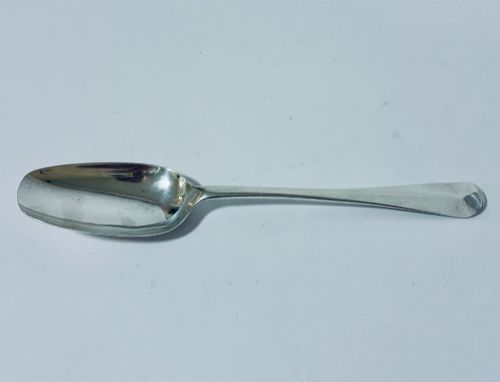
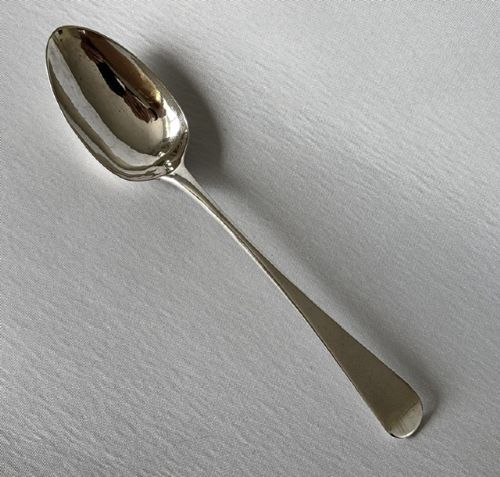
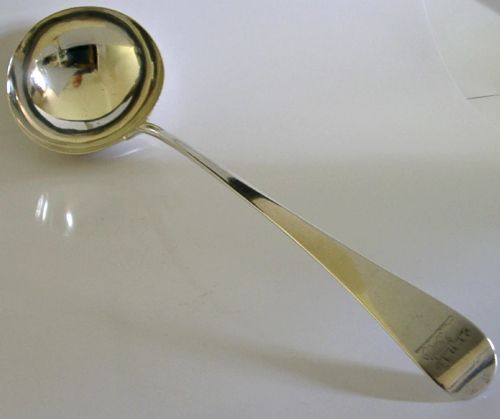
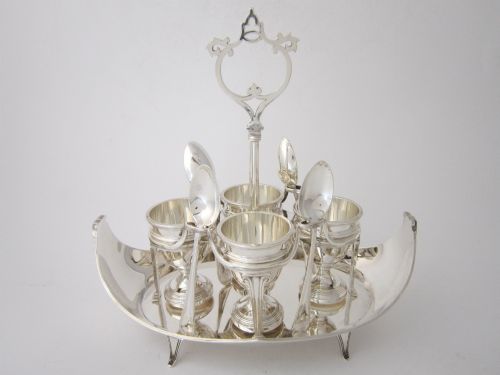
An English sterling silver server encompasses a diverse group of dining utensils and presentation pieces, ranging from large fish slices and basting spoons to cake servers, ladles, and salvers.
The pieces appearing most frequently bridge functional dining utility and formal presentation, spanning Georgian, Victorian, and later periods of British silversmithing.
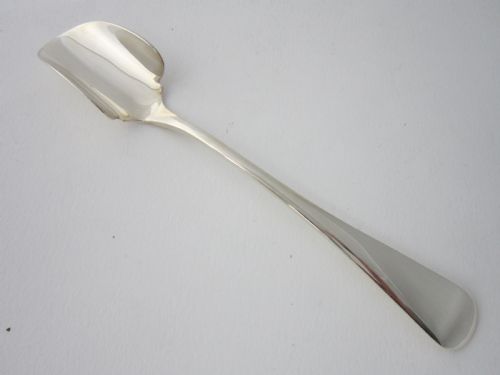
Specialised implements such as Stilton scoops, cheese knives, and salad servers complete this category, reflecting the changing demands of English dining traditions.
Materials and Construction
Items in this category are fashioned primarily from solid sterling silver, often combined with organic elements like mother-of-pearl, wood, antler horn, and glass components.
Manufacturing techniques combine traditional hand-forging and piercing with patterned casting, utilised to create structural blades, decorative handles, and applied crests.
Listings feature items spanning the 18th, 19th, and 20th centuries, executed in solid sterling silver, glass, and wood.
Judging Quality and Execution
Distinction in these pieces lies in the crispness of pierced decoration, the balance of the utensil in the hand, and the preservation of original hallmarks and crests.
Substantial gauge metalwork and careful integration of auxiliary materials like mother-of-pearl or horn separate standard utility items from exceptional workshop productions.
Peter & Jonathan Bateman·Hester Bateman·Charles Fox II·George Adams
The English Sterling Silver Server Glossary
- Sterling silver
- A silver alloy containing 92.5 percent pure silver by weight, combined with other metals for durability. British pieces bear specific assay office marks to guarantee this standard.
- Fish slice
- A wide, flat, and frequently pierced serving utensil designed for presenting fish at table. These blades often feature elaborate chased or engraved decoration.
- Fiddle pattern
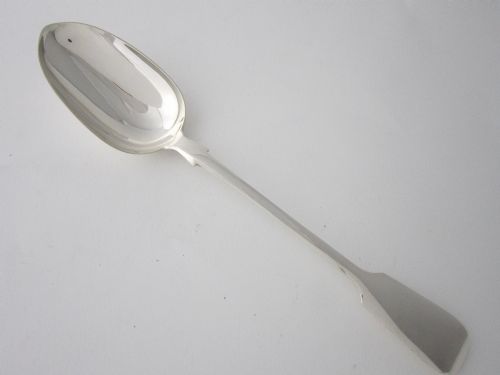
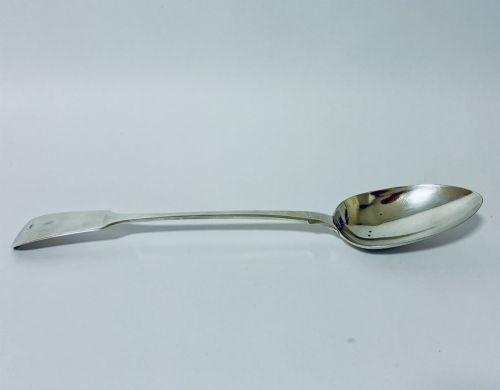
- A popular 19th-century flatware design characterised by a distinctive shoulder on the stem resembling a fiddle. It frequently appears on heavy serving spoons and basting implements.
- Assay office
- An official body responsible for testing the purity of precious metals and stamping items with hallmarks. Towns such as London, Birmingham, and Sheffield historically operated major offices.
- Old English pattern
- A traditional style of flatware featuring a downward-turning handle end with a central midrib on the reverse. It remains a standard design for ladles and serving spoons.
English Sterling Silver Server: Frequently Asked Questions
What is an English sterling silver server used for?
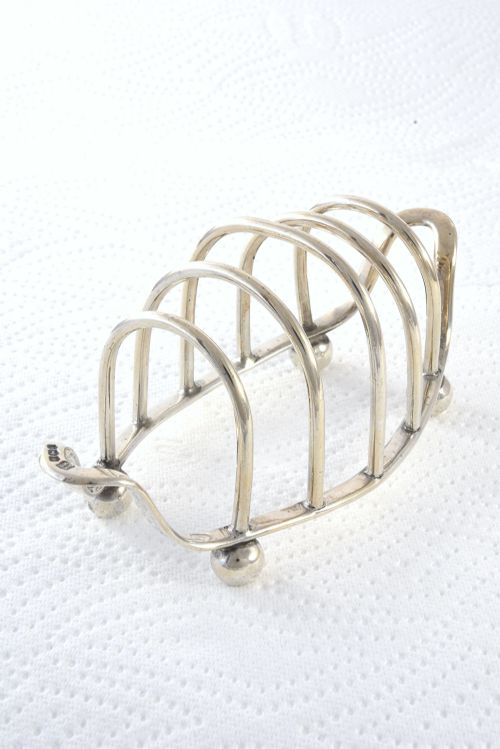
These implements serve specific culinary and hospitality tasks, from portioning fish and cutting cakes to ladling sauces and turning toast. Each design correlates directly with formal dining customs of its period of origin.
Larger items like basting spoons and salvers also functioned as display pieces, demonstrating the host's social standing through bright metalwork and family crests.
How can I date an English silver server?
Dating relies heavily upon the stamped hallmarks found on the metal, which typically include a maker's mark, a standard mark, a town mark, and an annual date letter. Comparing these stamps against official assay records provides the exact year of manufacture.
Stylistic cues, such as the slender lines of Art Deco pieces or the ornate scrollwork of Victorian designs, offer a reliable secondary method for establishing age.
Are these servers suitable for modern dining?
Solid silver serving pieces integrate easily into contemporary table settings, bringing genuine history and robust construction to modern meals. Utensils intended for cakes, fish, or salads function just as well today as they did centuries ago.
Regular, gentle use actually helps maintain a pleasant patina on the metal, provided abrasive cleaners and dishwashers are strictly avoided.
Why do some servers feature auxiliary materials?
Materials such as mother-of-pearl, wood, and antler horn were selected for their tactile qualities, visual contrast, and resistance to heat or moisture. Mother-of-pearl, for instance, provided a neutral surface for items touching acidic foods like fruit or fish.
These additions also introduced varied textures and natural colour tones that complemented the bright finish of the sterling silver components.