
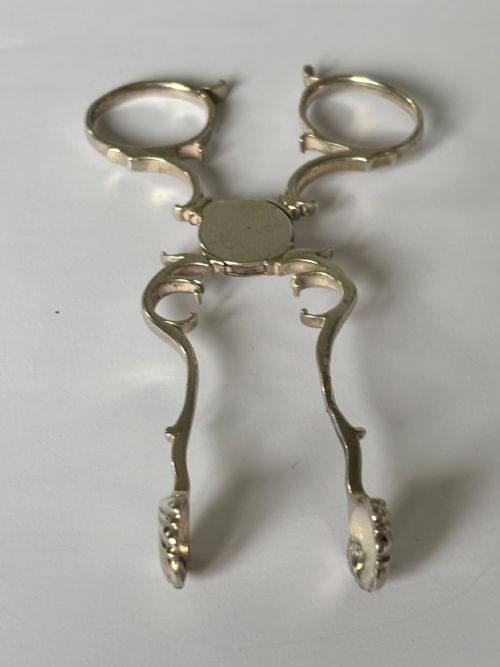


Georgian Sugar Nips
Georgian sugar nips are small, elegant tools made for sweetening tea during the eighteenth and nineteenth centuries.
Georgian Sugar Nips
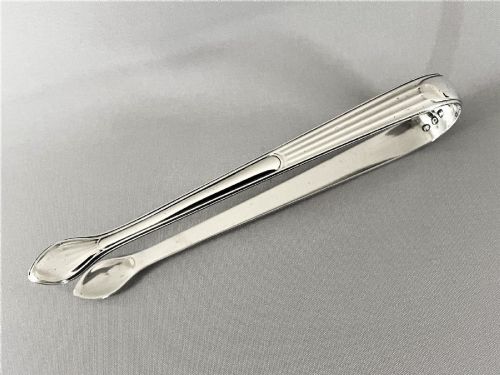
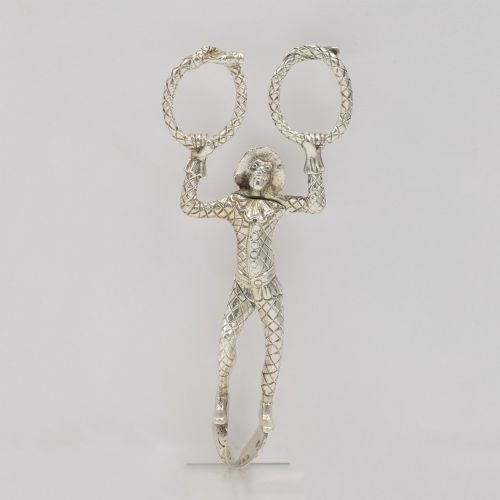
When you search for georgian sugar nips, you are looking at functional silver tableware designed to handle sugar lumps or cones at the tea table. The examples met on this page span the Georgian period, the Regency era, and later nineteenth-century revivals.
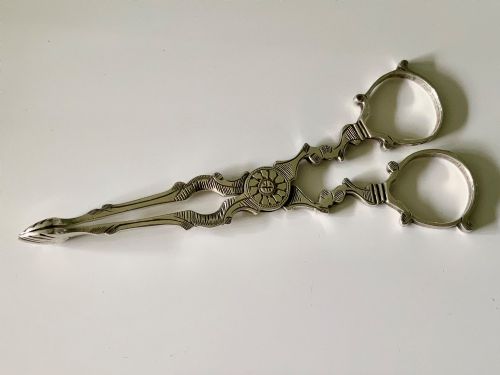
Most items take the form of sugar tongs or scissor-action sugar nips, fashioned from sterling silver. These utensils reflect the refined domestic rituals of tea drinking during the seventeen-hundreds and eighteen-hundreds.
How They Were Made
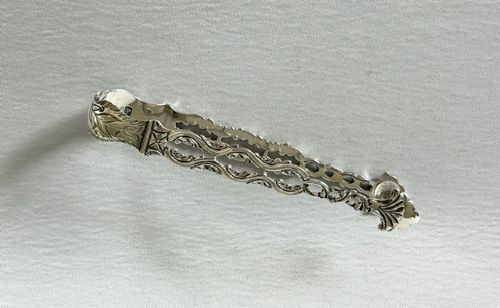
Silversmiths utilised sterling silver to shape these implements, often employing casting and piercing techniques to create decorative bowls and arms. Individual makers worked by hand to forge scissor-action nips and spring tongs from sheet silver.
Makers such as Thomas Tookey and Stephen Adams I applied hallmarks and maker marks directly onto the metal, recording the origin and London or provincial workshop of manufacture.
What Varies in Quality
Quality rests upon the crispness of the cast decoration and the delicacy of any pierced work on the silver arms. Plain functional pairs differ from those featuring detailed cast motifs or novelty designs.
The precision of the scissor pivot or the spring tension in the tongs defines the tactile standard of each piece. Maker attribution and clear hallmarks also elevate the interest of individual examples.
Bateman Family·Dee and Fargus·Thomas Tookey·Stephen Adams I
The Georgian Sugar Nips Glossary
- Sterling silver
- A silver alloy containing ninety-two point five percent pure silver by mass, standard for British domestic plate. This metal provides the durable foundation for eighteenth-century tableware.
- Hallmark
- An official stamp applied to precious metals to guarantee standard and origin. These marks indicate the assay office, date letter, and maker.
- Cast silver
- Molten metal poured into a mould to form detailed shapes and patterns. This technique produces the ornate bowls seen on many eighteenth-century items.
- Pierced work
- Metal cut through to create openwork decorative patterns. Silversmiths used this method to lighten and embellish tea utensils.
Georgian Sugar Nips: Frequently Asked Questions
What are georgian sugar nips used for?
These implements served to pick up sugar lumps or cones for tea service during the eighteenth and nineteenth centuries. Guests used them to transfer sugar from a basin into the teacup.
They represent a specific social ritual of the period when sugar was an expensive commodity handled with care.
How do I date a pair of sugar nips?
Dating relies upon the hallmarks stamped into the silver, which record the assay office and the active year of the maker. Stylistic changes from scissor-action nips to sprung tongs also indicate the production era.
Items from the mid-eighteenth century often feature cast decoration, while later Regency styles show different forms.
Are sugar nips and sugar tongs the same thing?
The terms are often used interchangeably in historical listings, though traditional nips feature a scissor action with finger rings. Tongs rely on a sprung metal bow to grip the sugar.
Both forms appear across the Georgian period and fulfilled the same tea table function.
How should I clean antique silver?
Gentle washing with warm water and mild soap removes daily dust without harming the historic surface. Avoid harsh abrasive dips that strip away the natural patina accumulated over centuries.
Soft cloths help maintain the polish of the sterling silver safely.