


Georgian Silver Silverware
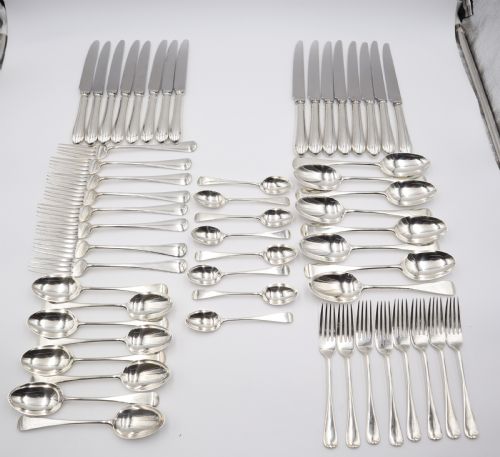
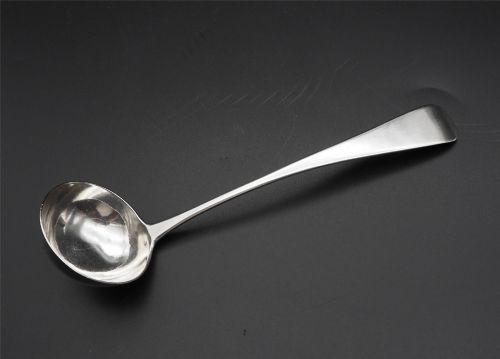
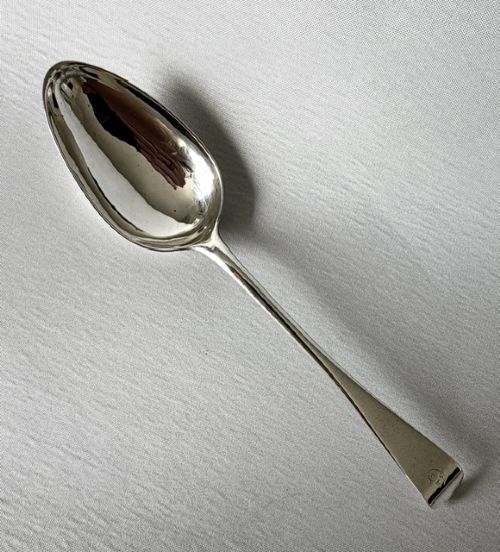
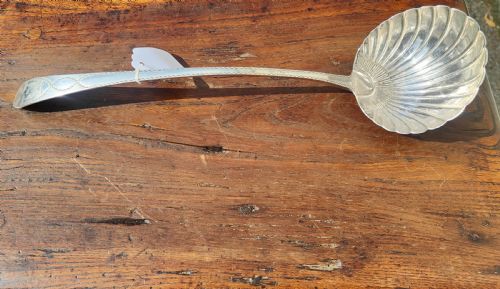
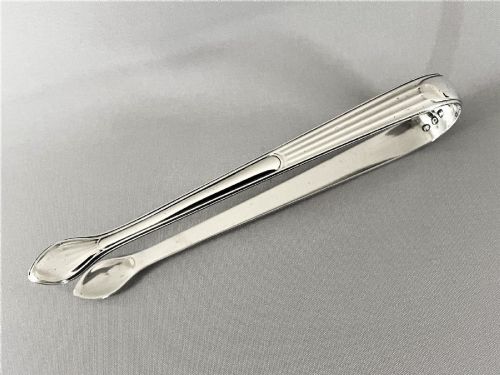
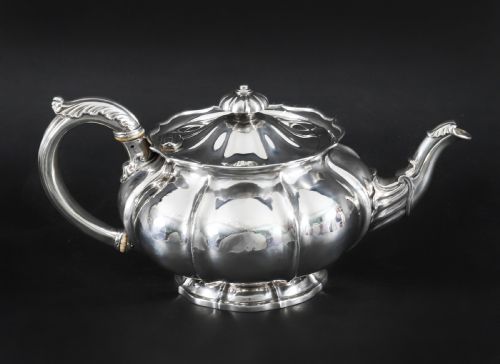
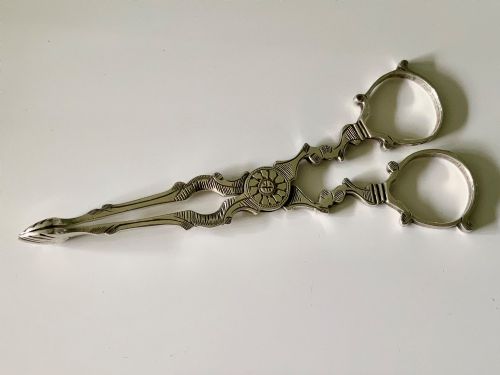
When you seek georgian silver silverware, you find tea pots, sugar tongs, and ladles shaped by silversmiths to grace dining tables.
Georgian Silver Silverware
When buyers search for georgian silver silverware, they encounter hollowware and flatware intended for dining and tea service. The selections range from serving utensils and teapots to sugar tongs and salt cellars.
Most items stem from the eighteenth and nineteenth centuries, spanning periods marked by distinct regional marks. Pieces originate from English, Scottish, and Irish makers, reflecting local silversmithing traditions.
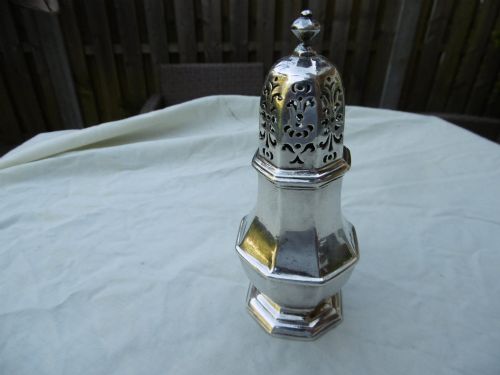
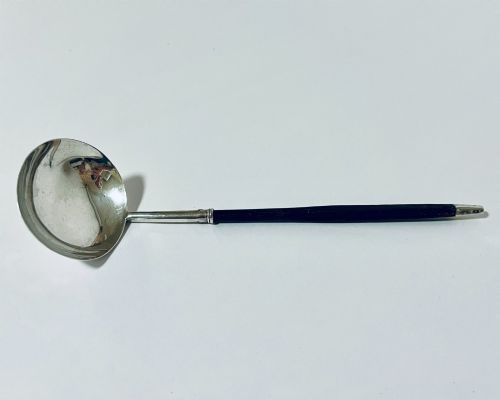
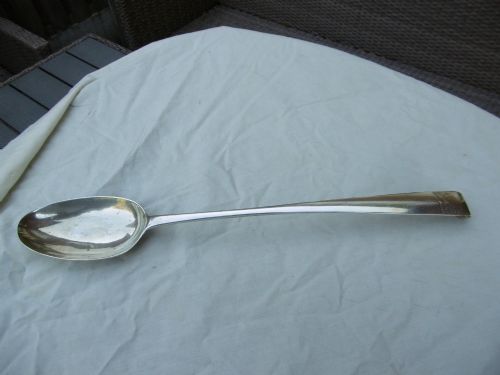
Forms include bullet teapots, octagonal castors, and sauce boats alongside marrow scoops and basting spoons. Buyers frequently meet items bearing provincial hallmarks from towns such as Newcastle, Edinburgh, and Elgin alongside London pieces.
How they were made
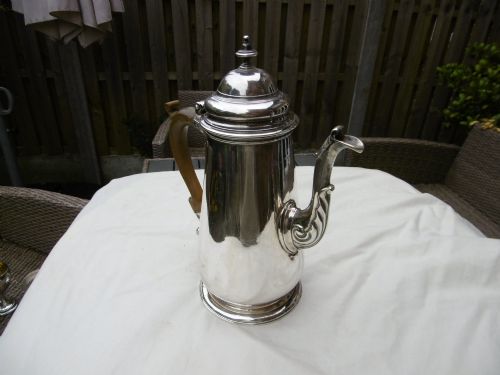
Silversmiths shaped sterling silver and silver plate through hammering, casting, and soldering. Hollowware bodies such as teapots and coffee pots utilised raised sheets of metal joined to cast spouts and handles.
Handles and fittings frequently incorporated materials such as wood, bone, and mahogany to insulate heat during tea and coffee service. Flatware and serving utensils relied on durable steel components for cutting edges within canteens of cutlery.
Engraving and chasing adorned surfaces with crests, floral motifs, and threaded borders. Makers applied hallmarks to certify metal purity and origin at assay offices across Britain and Ireland.
Elongated marrow scoops hide inside cutlery collections, waiting to rescue hidden richness from Sunday bones.
What varies in quality
Quality rests upon the crispness of the maker's mark and the clarity of the town and date hallmarks stamped into the metal. Faint or rubbed marks obscure the lineage of a spoon or teapot, while sharp stamps indicate careful initial production and preservation.
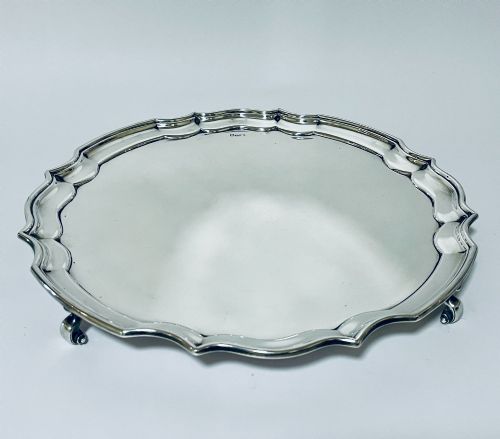
The thickness of the silver gauge dictates the heft and structural integrity of hollowware and flatware. Substantial weight in ladles and salvers points to skilled construction, whereas thinner metal yields under daily dining use.
The integrity of applied decoration, such as hand-engraved crests and cast borders, separates standard utilitarian pieces from exceptional workshop output. Well-executed chasing retains sharp contours without thinning the surrounding silver wall.
Bateman Family·Paul Storr·Richard Gurney·James Tookey·William Ferguson·John Craig·Barker Brothers
The Georgian Silver Silverware Glossary
- Hallmark
- A set of official marks stamped into precious metals indicating the maker, assay office, standard of purity, and date of manufacture. These symbols allow historians to trace the exact origin of a silver piece.
- Caddy spoon
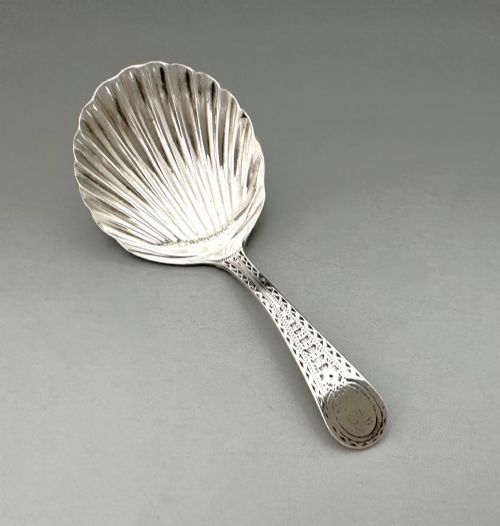
- A small utensil specifically designed to measure dry tea leaves from a storage caddy into a teapot. They feature shallow bowls and short handles, often elaborately engraved.
- Marrow scoop
- A narrow, elongated double-ended spoon used to extract marrow from bones during formal dining. One end is a trough and the other a smaller spoon.
- Castor
- A small perforated jar used for sprinkling sugar or spices over food. Early examples often display octagonal profiles and secure slip-on covers.
- Provincial silver
- Items manufactured, marked, and assayed outside of the main London hub, often in Scottish or regional English towns. These pieces carry distinct marks associated with local guilds.
Georgian Silver Silverware: Frequently Asked Questions
How do I clean antique silver?
Clean sterling silver items with a soft cloth and specialised silver polish designed to remove tarnish without scratching the metal surface. Avoid abrasive pads that wear away thin plating and engraved details.
Rinse pieces in warm water and dry them thoroughly with a lint-free cloth after polishing. Proper storage in anti-tarnish rolls or dry cabinets minimises future oxidation.
What is Old Sheffield Plate?
Old Sheffield Plate is a composite material formed by fusing a thin layer of sterling silver to a thicker copper core. This technique predates modern electroplating.
Items made this way show thin lines of copper where the base metal peeks through high-wear areas or edges. Silversmiths utilised this method to create affordable large vessels.
How can I read silver hallmarks?
Locate the series of small stamped symbols on the underside or reverse of the object. These typically include the maker's mark, a purity standard symbol like a lion passant, and a date letter.
Reference guides match the specific letter fonts and shield shapes to exact assay years and towns. Provincial pieces carry town-specific marks distinct from London leopard heads.
Were these items used daily?
Many items served practical dining and beverage duties in wealthy households during the eighteenth and nineteenth centuries. Teapots, cream jugs, and flatware saw regular placement at formal meals.
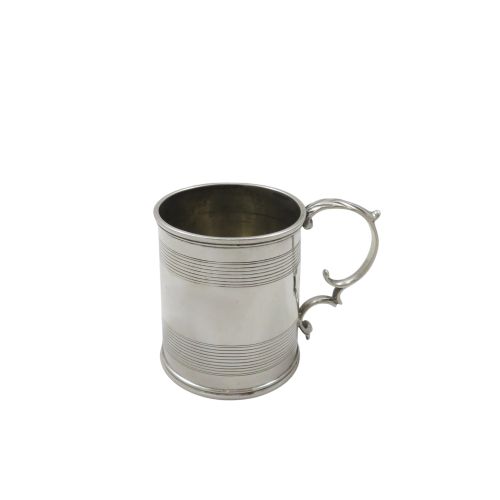
Other objects, such as christening mugs and caddy spoons, served specific ceremonial or domestic roles. Their survival reflects generations of careful family retention and use.