



Antique Sterling Nips
Antique sterling nips are small silver tools for taking sugar, prized by collectors for their intricate domestic craftsmanship.
Antique Sterling Nips
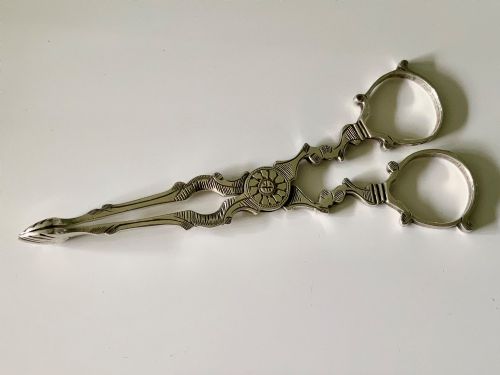
When you search for antique sterling nips, you are looking at small silver instruments designed to lift sugar lumps into tea during the eighteenth and nineteenth centuries. The pieces on this page span the Georgian, Victorian, and Edwardian periods, alongside later twentieth-century examples.
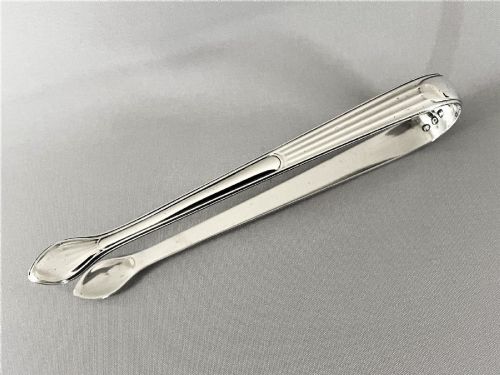
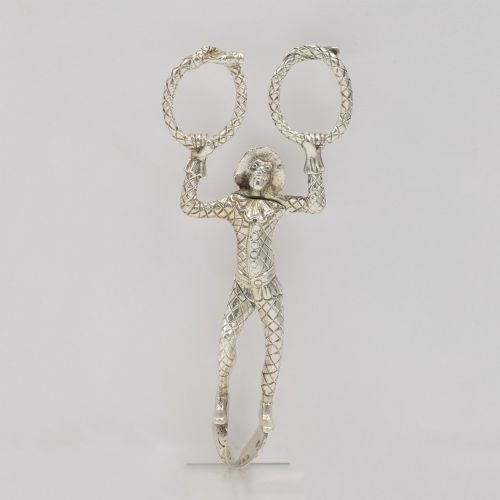
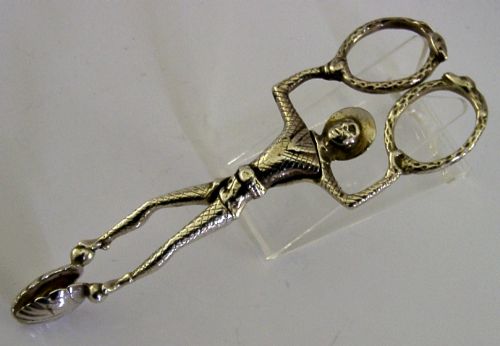
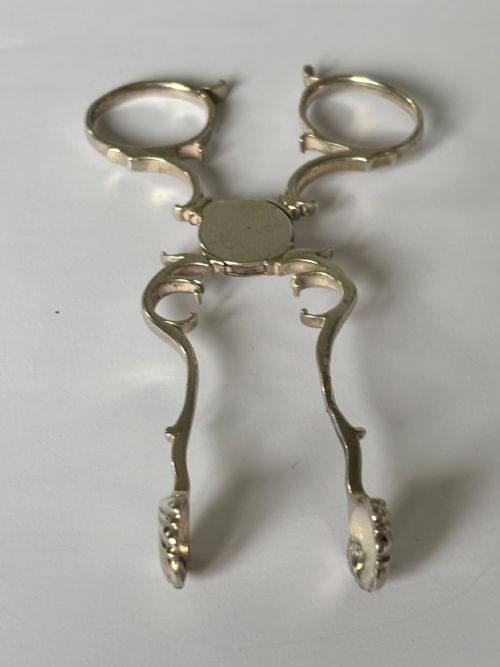
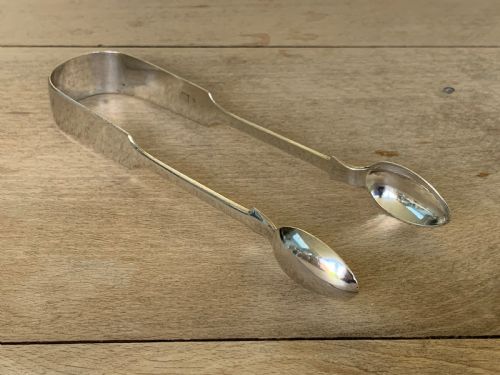
You will most commonly meet traditional sugar tongs and scissor-action nips made from sterling silver. These range from plain domestic forms to elaborate novelty designs shaped as monkeys, jesters, birds' claws, and wishbones.
Origins stretch across English, Scottish, Irish, and continental workshops, including regional assay offices like Newcastle and Exeter. Alongside standalone pairs, you will occasionally find cased sets that pair the nips with a matching spoon.
What varies in quality
The distinction between standard domestic items and the finest pieces lies in the crispness of the casting and the depth of the hand-chased detail. Novelty pieces with articulated joints and named maker marks command greater interest.
Assay office marks, maker stamps, and the integrity of the silver gauge further separate ordinary production from workshop output of high distinction.
Listings feature sterling silver pieces spanning the Georgian, Victorian, and Edwardian eras, alongside twentieth-century Danish modern and Art Deco designs.
Bateman Family·Dee & Fargus·Georg Jensen·Thomas Tookey·Henry Stuart Brown·John Walton·Francis Higgins
The Antique Sterling Nips Glossary
- Sterling silver
- A silver alloy containing 92.5 percent pure silver and 7.5 percent other metals, usually copper, chosen for strength. This standard has governed British silver for centuries.
- Sugar nips
- A spring-action or scissor-type implement used before sugar lumps became uniform, designed to nip pieces from a sugar loaf. They preceded the wider adoption of tea tongs.
- Harlequin
- A decorative theme featuring jesters or monkey figures, popular in novelty silver design around the turn of the twentieth century. These pieces often incorporate whimsical expressions and detailed costume work.
- Assay office
- An official body responsible for testing the purity of precious metals and stamping them with hallmark guarantees. Towns like Chester, Exeter, and Newcastle maintained their own historic offices.
- Naturalistic
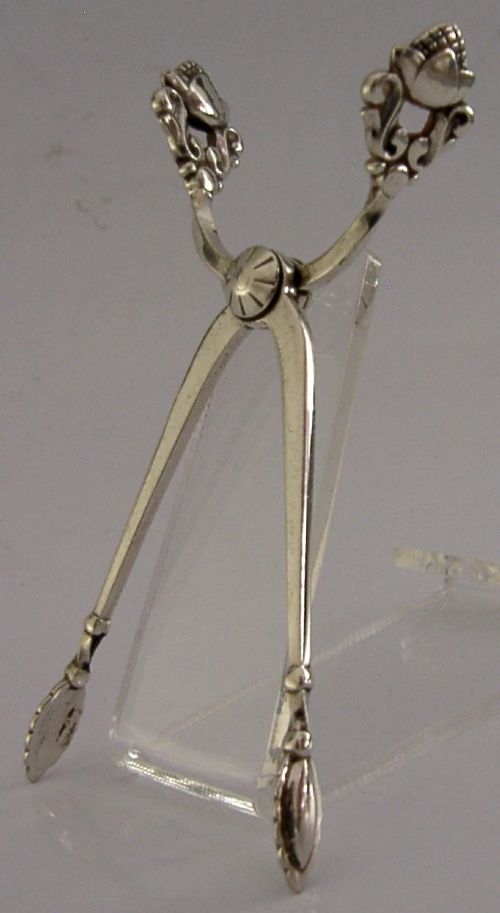
- A design style drawing directly on organic forms such as foliate patterns, feathers, or animal claws. This approach gained particular momentum during the Victorian era.
Antique Sterling Nips: Frequently Asked Questions
What is the difference between sugar nips and sugar tongs?
Sugar nips typically operate with a scissor action, featuring finger rings or a pivot that allows the user to snap off pieces from a larger sugar loaf. Sugar tongs are usually a single bent piece of metal relying on spring tension to lift pre-formed lumps.
Both tools served the tea table, but nips belong predominantly to the earlier Georgian period before cube sugar standardised tea service.
How do I date an antique pair of silver nips?
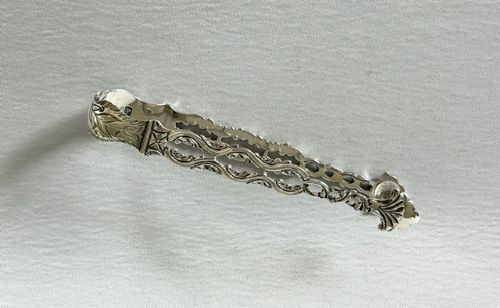
Dating relies upon the hallmarks stamped into the silver, which include a maker mark, a purity standard mark, and a date letter corresponding to the assay office. Stylistic clues such as early cast pierced work versus later Victorian naturalistic foliate design also point to specific decades.
Examining the form alongside registered town marks narrows the period of production.
Are novelty silver nips less functional than standard pairs?
Novelty forms like articulated eagle claws or harlequin figures were fully functional domestic objects despite their playful designs. Makers balanced mechanical movement with the practical grip required for handling sugar.
While some delicate spring mechanisms require gentle handling today, they were built for daily use in polite society.
Why do some listings mention regional assay offices?
Regional assay offices such as Newcastle, Exeter, and Chester stamped silver with their own town marks alongside standard London hallmarks. These provincial marks indicate where the piece was submitted for testing and provide insight into local workshop output.
Collectors often seek out regional marks for their scarcity compared to high-volume London items.