


Antique Spoon Collector
These antique spoon collector pieces span centuries of silver and metalware, offering tactile history and exceptional craftsmanship for the discerning display cabinet.
Antique Spoon Collector
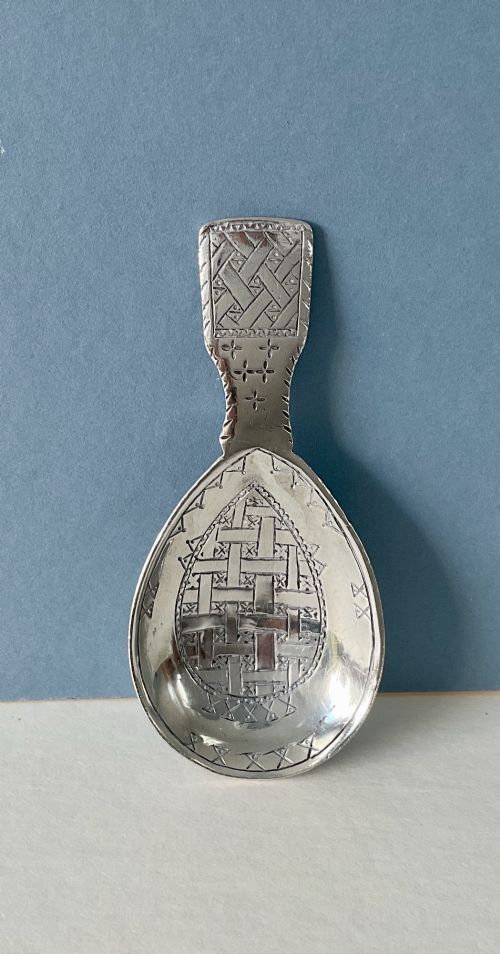
The antique spoon collector encounters items ranging from sixteenth-century slip top and seal top spoons to Georgian caddy spoons and Arts and Crafts silver gilt pieces. These objects represent functional eating utensils and decorative silverware produced across various British historical periods.
Most items on this page fall into categories such as flatware, caddy spoons, and specialised serving pieces like sifter spoons and toddy ladles. Materials vary from sterling silver and silver gilt to coquilla nut and wood.
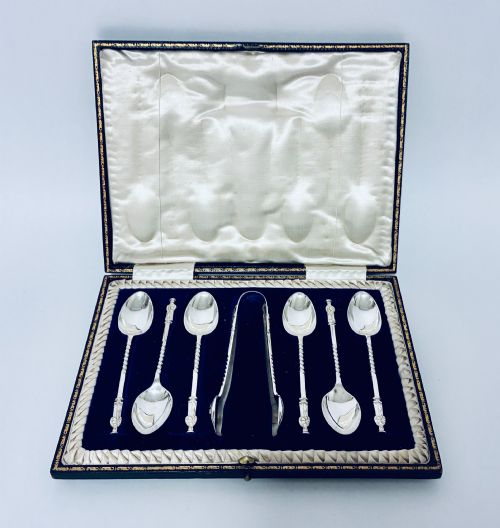
Stylistic influences span Elizabethan, Jacobean, Restoration, Commonwealth, Georgian, and Victorian eras. Buyers will also find fitted presentation sets complete with velvet, silk, or leatherette linings.
Materials and construction
Silversmiths utilised sterling silver and silver gilt, shaping metal through traditional hammering and casting techniques. Makers applied hand-chased repousse work and engraved details to surface areas.
Organic elements appear in pieces combining coquilla nut, wood, and treen for handles or bowls. Presentation cases incorporate protective interior fabrics including velvet, silk, and leatherette.
Listings feature items spanning from the 16th century through the 20th century, including periods such as Elizabethan, Commonwealth, and Arts and Crafts.
Defining quality in antique spoons
Quality rests upon the crispness of hallmarks, maker marks, and the preservation of original bowl profiles and terminal details. Cast finials such as seal tops or apostle figures require sharp definition without excessive wear from cleaning.
The integrity of construction matters, particularly where handles join bowls or organic materials meet metal mounts. Intricate surface decoration like repousse work should retain its depth rather than appearing soft or smoothed down through centuries of handling.
NG·Jerimiah Johnson·John Smith·Berthold Herman Muller·John Fox
The Antique Spoon Collector Glossary
- Trefid spoon
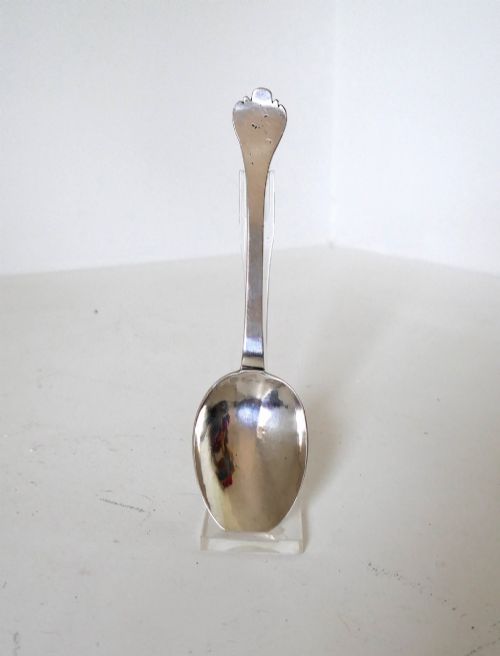
- An early form of flatware featuring a flattened, three-lobed terminal at the top of the handle. This style emerged during the seventeenth century.
- Seal top spoon
- A spoon terminating in a small flat disc or cast seal, popular in Tudor and Stuart periods. Owners often used the flat end as a personal signet.
- Slip top spoon
- An early style where the handle stem is cut off obliquely at the end in a straight, sloping plane. It represents one of the simplest medieval and Renaissance terminal designs.
- Caddy spoon
- A short-handled spoon specifically designed for measuring loose tea leaves from a caddy. These became popular during the Georgian period.
- Sifter spoon
- A pierced spoon used for dusting sugar over food or drinks. They frequently appear in ornate Victorian and Arts and Crafts designs.
Antique Spoon Collector: Frequently Asked Questions
How do I identify early British spoon types?
Early spoons are identified by their terminal shapes, such as seal tops, slip tops, and trefid designs. These distinct handle forms help narrow down the manufacturing period.
Examining the manufacturing techniques and any visible hallmarks provides further context regarding the date of origin.
How should I display silver spoons?
Silver spoons are best housed in cabinets that protect them from tarnishing gases and excessive handling. Flat trays or vertical wall mounts allow the full length and terminal details to remain visible.
Proper support prevents strain on delicate joins between handles and bowls.
What do hallmarks tell the collector?
Hallmarks indicate the assay office, the standard of metal purity, and the year of manufacture through specific date letters. They also record the maker's mark.
Clear marks establish authenticity and provide a precise history of the piece's creation.