



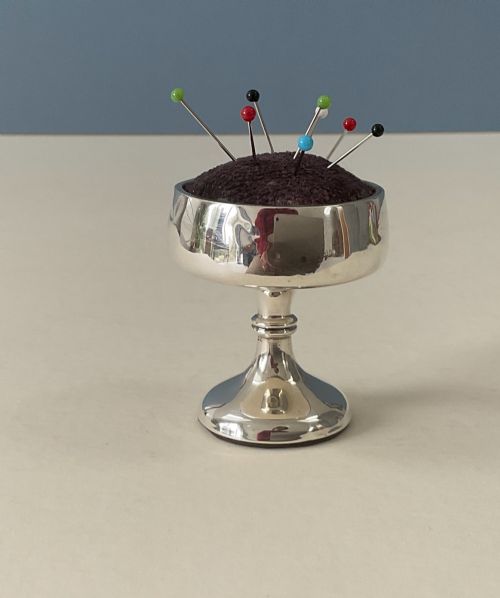
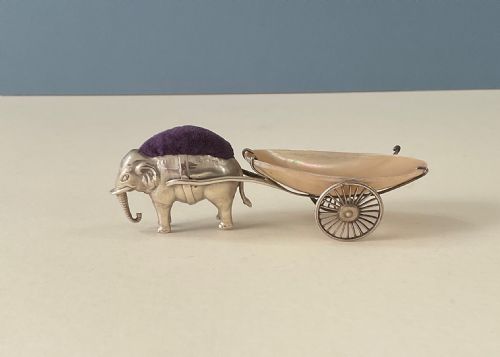


Victorian Silver Pin Cushion
These delightful victorian silver pin cushion designs transform ordinary sewing accessories into miniature works of art.
Understanding victorian silver pin cushion pieces
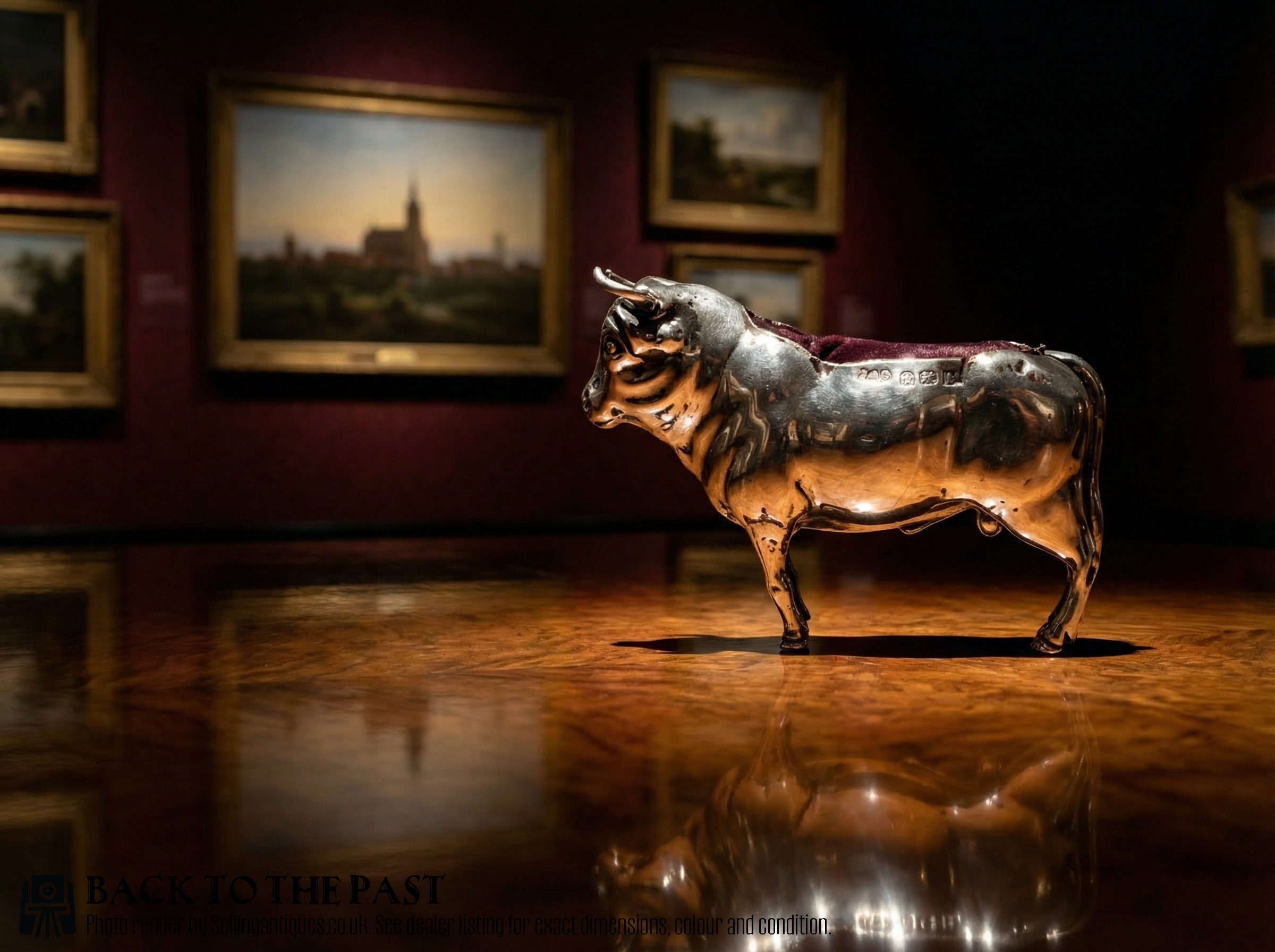
A victorian silver pin cushion brings together functional sewing implements and whimsical miniature sculpture from the nineteenth and early twentieth centuries. These small items served dressing tables and sewing rooms, holding pins securely while offering decorative charm.
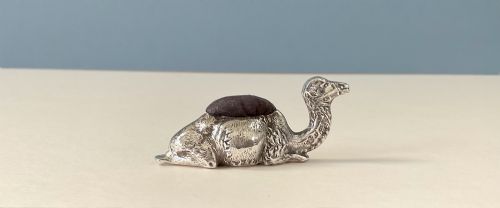
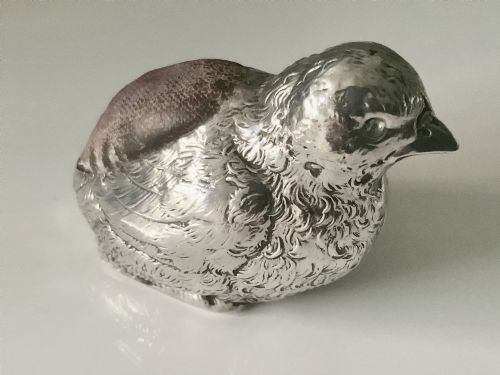
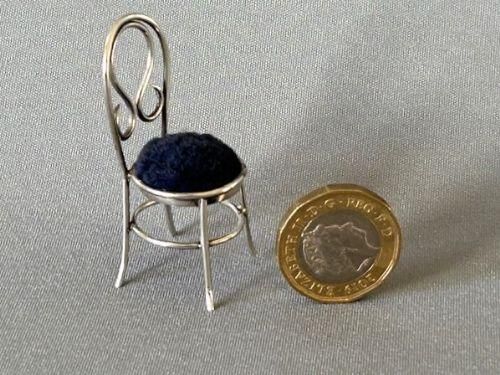
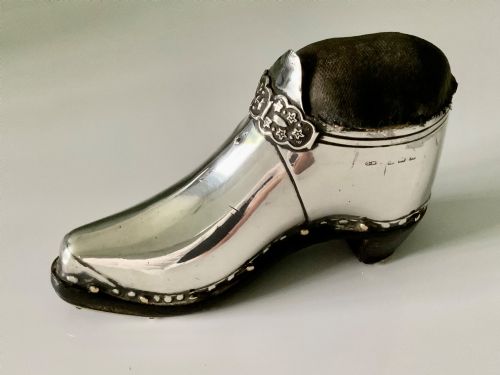
Buyers encounter everything from utilitarian circular trays and lidded caskets to elaborate novelty forms fashioned as animals, birds, and footwear. The selection spans standard domestic pieces alongside sculptural novelties originating from periods including the Victorian and Edwardian eras.
Materials and construction methods
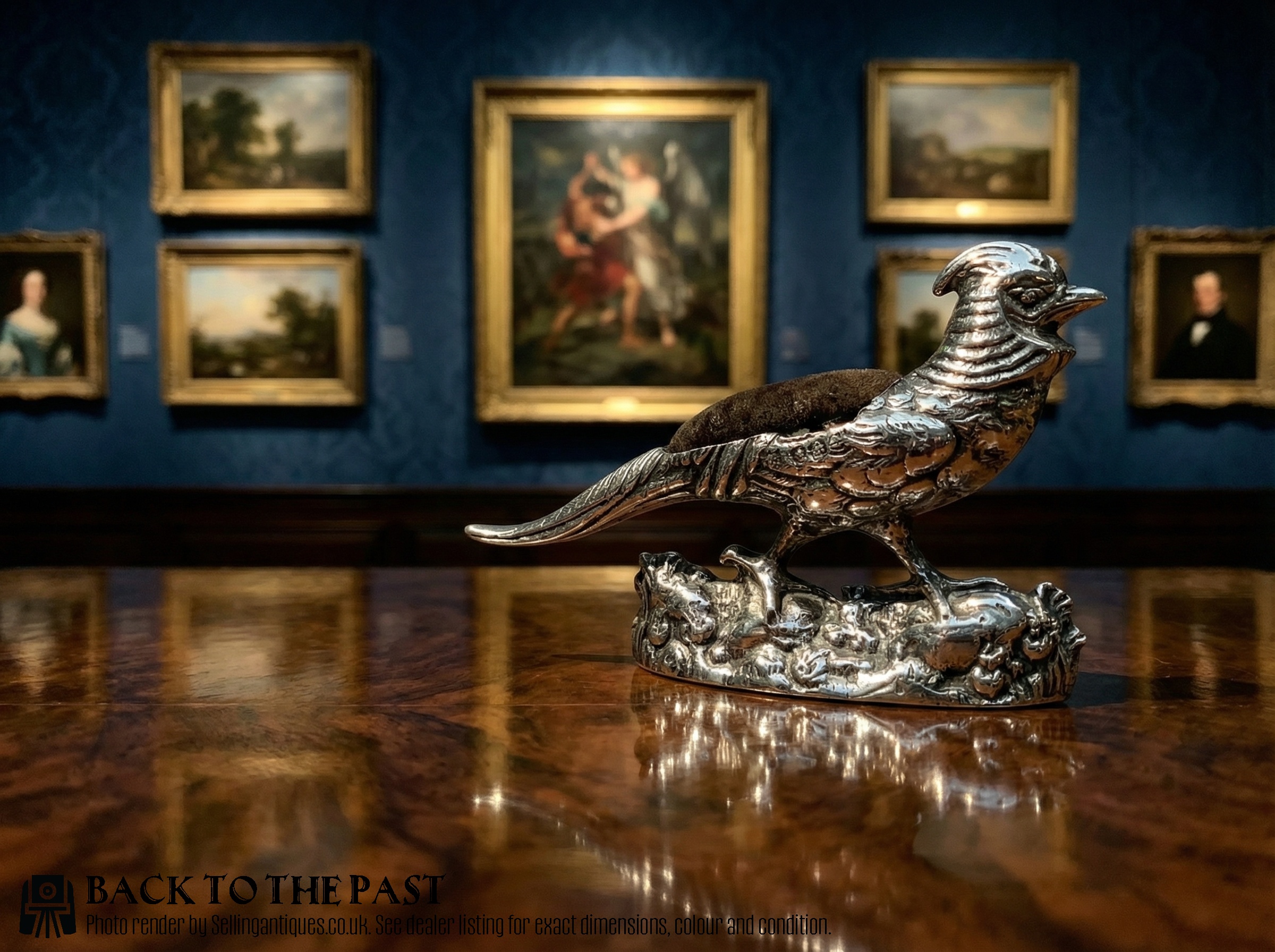
Silversmiths constructed these items primarily using sterling silver, frequently employing techniques such as casting, embossing, and piercing to create detailed forms. Many pieces incorporate textiles, with velvet or fabric inserts fitted tightly into the metal framework to receive pins.
Makers shaped the metal into specific animal, shoe, or household receptacle outlines, often adding hallmarks indicating assay offices like Birmingham or Edinburgh alongside production dates.
Retail Price Guide 2026
Typical UK retail prices for victorian silver pin cushion, calculated from the Sellingantiques database of over a million retail prices indexed since 2003. This retail price guide relies exclusively on Sellingantiques data; no external sources or auction records are used, so the figures do not describe the wider market.
Silver pigs and tiny shoes stand ready to guard your pins.
Distinguishing quality across examples
Quality rests upon the sculptural fidelity of the silver work, particularly in novelty forms representing animals, footwear, or everyday objects where crisp detailing of feathers, fur, or stitching elevates the piece. Sharply struck hallmarks and intact original velvet or fabric inserts further distinguish superior examples.
The complexity of the metalwork defines the upper tier of these items, separating simple embossed circular trays from intricately cast animal sculptures, miniature furniture, and functional caskets featuring pierced lids.
Levi & Salaman·Adie & Lovekin·Peter McGregor Westren·Deakin & Francis
The Victorian Silver Pin Cushion Glossary
- Novelty
- A collectible item shaped to resemble an animal, vehicle, shoe, or everyday object rather than traditional geometric forms. These whimsical designs were immensely popular in the late nineteenth century.
- Chatelaine
- A decorative belt hook suspended with chains carrying utility items such as sewing tools, keys, or pin cushions. This allowed women to keep essential implements close at hand during daily tasks.
- Hallmark
- An official stamp applied by an assay office to indicate the purity of the silver, the maker, and the year of manufacture. British pieces typically show a combination of standard marks.
- Sterling silver
- An alloy consisting of pure silver and other metals, usually copper, formulated to increase durability while maintaining a bright lustre. Most British antique smallwares utilise this standard.
- Pierced work
- A decorative technique where metal is cut through to create openwork patterns, often seen on the lids of jewellery caskets and sewing boxes.
Frequently Asked Questions
What were victorian silver pin cushions used for?
These pieces sat upon dressing tables, writing desks, and sewing rooms to keep straight pins organised and readily accessible during needlework or dressmaking tasks. Wealthy households valued both their utility and their decorative contribution to a room.
Smaller novelty versions also functioned as personal accessories suspended from chatelaines or carried within sewing baskets, combining practical storage with miniature sculptural art.
How can I tell the date of a piece?
Dating relies heavily upon the stamped hallmarks found on the silver body, which indicate the specific assay office and year letter assigned by authorities in cities like Birmingham or Edinburgh. Stylistic cues, such as Edwardian novelty shapes versus earlier Victorian embossed trays, also help narrow down the period.
Examining the manufacturing techniques and the type of velvet or fabric insert provides additional context regarding the decade of production.
Are these pieces safe to use today?
While these items were originally made for daily sewing tasks, most collectors treat them as display pieces rather than active tools to preserve their historical condition and fragile fabric inserts. Inserting modern steel pins into antique velvet can occasionally cause internal wear if not approached with care.
Gently cleaning the silver exterior without disturbing the original fabric preserves both the appearance and structural integrity of the cushion.
Why do animal shapes appear so often?
Late nineteenth-century silversmiths embraced whimsical design trends, transforming mundane domestic objects into playful representations of wildlife, birds, and footwear. Demand for novelty items drove workshops to produce sculpted swans, elephants, pigs, and shoes.
Victorian buyers delighted in these miniature sculptures, turning functional sewing tools into conversational ornaments for the home.