


Continental Silver Miniature
A continental silver miniature is a small-scale work of metalwork that delights collectors with its intricate detail and historical charm.
Continental Silver Miniature
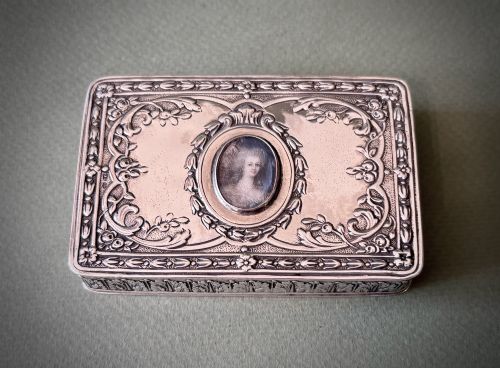
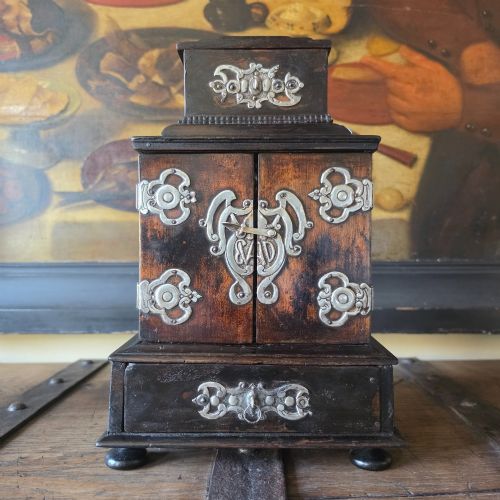
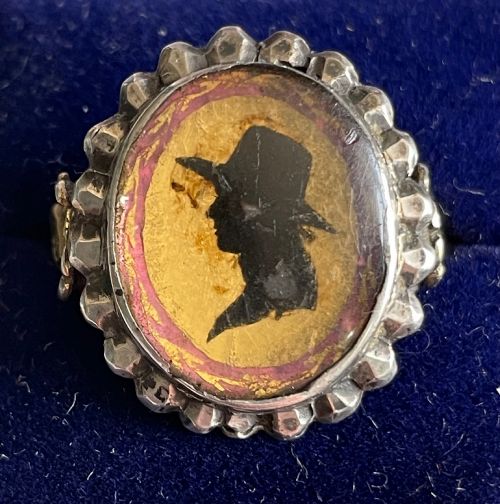
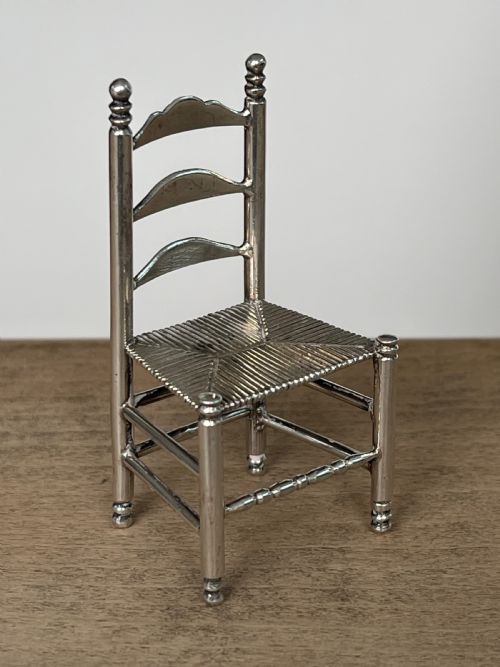
A continental silver miniature represents small-scale metalwork produced across Europe, encompassing items from snuff boxes and jewellery cabinets to doll's house chairs and table ornaments. These pieces span periods from the eighteenth century through to the mid-twentieth century, capturing domestic scenes, musical instruments, and novelty figures.
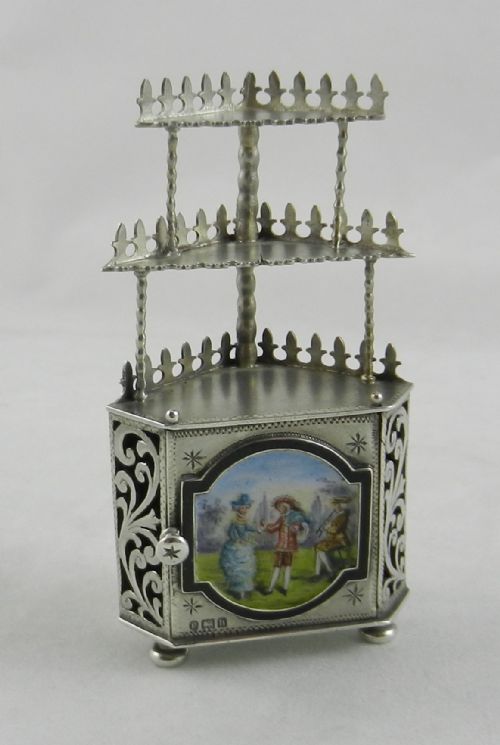
Buyers browsing this selection will encounter varied forms, including Dutch silver chairs, German musician figures, French sedan chairs, and enamel-decorated furniture models. The diverse styles range from Rococo Revival and Dutch Baroque to Victorian and Jugendstil, reflecting the aesthetic preferences of their respective eras.
How they were made
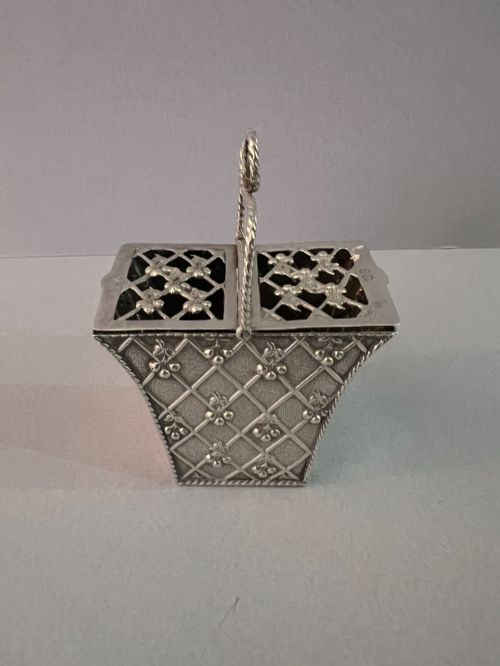
These items are constructed primarily from silver, sterling silver, and 833 solid silver, occasionally incorporating materials such as enamel, glass, walnut, gold, and silvered metal. Artisans employed casting, repoussé, and filigree techniques to achieve the minute scale and ornate surface decoration.
Surface details on select pieces feature hand-painted enamel panels or gilt accents, adding colour and contrast to the metallic structures. Miniature furniture and decorative objects often combine precious metals with organic elements like walnut wood to create textured contrast.
Continental Silver Miniature Retail Price Guide 2026
Typical asking prices for continental silver miniature among the pieces listed under this phrase on Sellingantiques today, from the lower quarter to the upper quarter. They describe what is for sale here now, not the wider market.
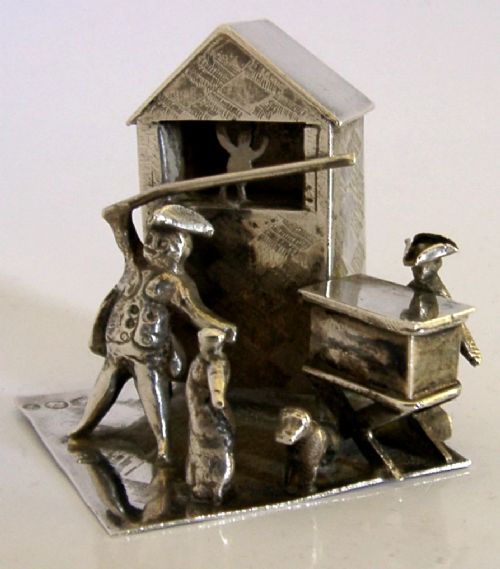
One standout piece brings a Punch and Judy show to miniature life in solid silver.
What varies in quality
Quality in these miniature works rests upon the crispness of the casting and the precision of the hand-chased details. Finer examples display sharp facial expressions on figures and clean architectural lines on furniture models without softening of the design.
The integration of secondary materials, such as enamel work or fitted glass, influences the refinement of the piece. Superior items maintain structural integrity and clear hallmarks, showing careful proportion across their diminutive scale.
Simon Rosenau
The Continental Silver Miniature Glossary
- Repoussé
- A metalworking technique where the silver is hammered from the reverse side to form a raised design on the front. This method allows artisans to create high-relief ornamentation on small surfaces.
- Filigree
- Delicate jewellery-like wirework formed from fine silver threads soldered together in openwork patterns. It appears frequently on miniature chairs and baskets.
- Jugendstil
- The German variant of Art Nouveau, characterised by fluid organic lines and natural motifs. Pieces from this movement display stylized floral and sinuous curves.
- Hallmarks
- Official stamps struck into precious metals to indicate purity, maker, and origin. Continental silver often bears foreign import marks or regional standards like 833 silver.
- Sweatmeat basket
- A small decorative container historically used for sweetmeats or confectionery. In miniature form, it serves purely as a display ornament.
Continental Silver Miniature: Frequently Asked Questions
What were continental silver miniatures used for?
These small items served primarily as cabinet curiosities, decorative table ornaments, or novelty conversation pieces for wealthy collectors. Many were created purely for display within wealthy households to demonstrate the skill of European silversmiths.
Some forms, such as snuff boxes and scent bottles, retained a practical function alongside their ornamental appeal. Doll's house miniatures and novelty furniture models were often collected as sets or displayed on writing desks.
How do I identify the age of a miniature?
Dating relies on stylistic clues, accompanying hallmarks, and manufacturing techniques visible on the piece. Pieces showing Rococo Revival or Dutch Baroque styles often point to nineteenth-century interpretations of earlier designs.
Maker marks and import stamps provide further chronological markers, while specific art movements like Jugendstil or Art Deco help narrow down the production period to the late nineteenth or early twentieth century.
What materials are used in these pieces?
The primary material is silver, found in standard sterling grades, 833 solid silver, and general continental silver alloys. Artisans frequently combined silver with vitreous enamel, coloured glass, walnut wood, and occasional touches of gold.
Some delicate examples utilise filigree wirework, while others incorporate hand-painted enamel panels to introduce colour and pattern to the miniature surface.
How should I display miniature silver at home?
Displaying these small items requires a secure enclosure, such as a glass-fronted cabinet or tabletop vitrine, to protect them from dust and accidental handling. Proper lighting enhances the reflective quality of the silver and reveals fine chased details.
Keeping them away from direct sunlight and damp environments helps preserve any applied enamel work and organic elements like walnut bases.