





Edwardian Silver Miniature
When you search for an edwardian silver miniature, you enter a diminutive world of domestic utensils, carriage clocks and whimsical animal pin cushions.
Edwardian Silver Miniature
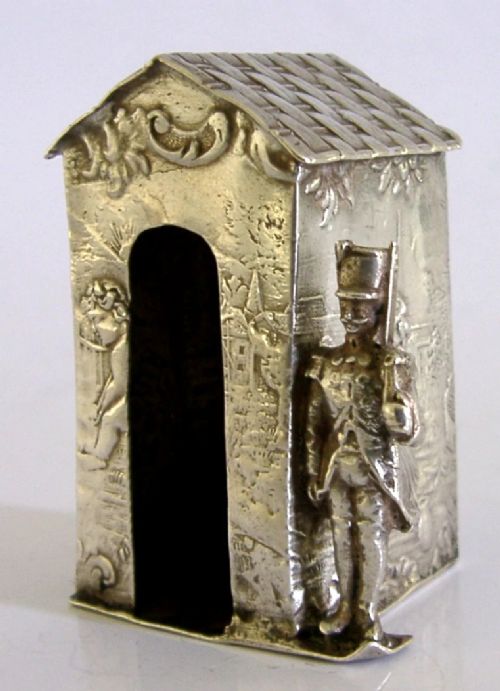
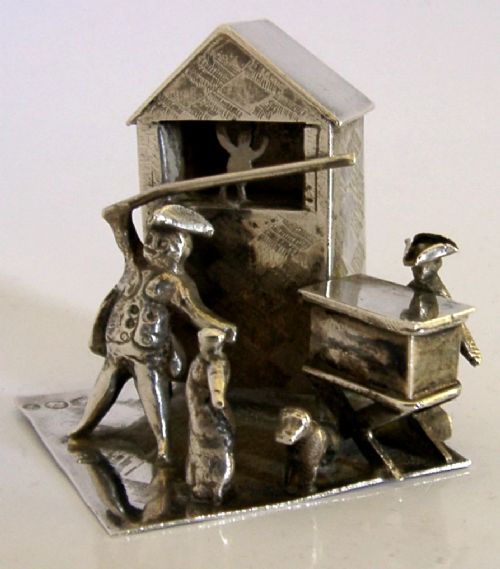
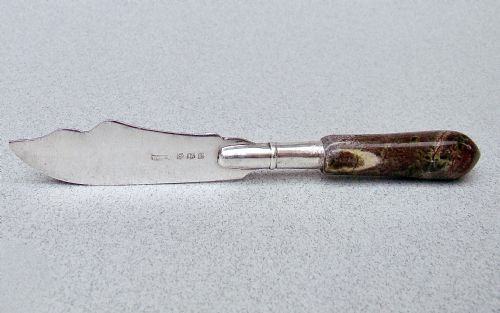
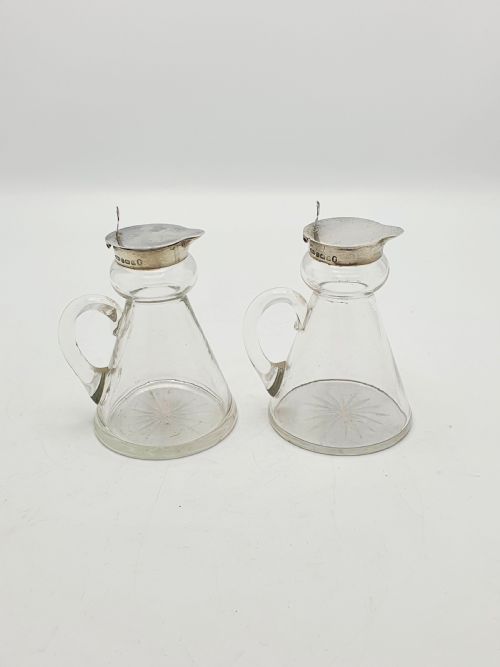
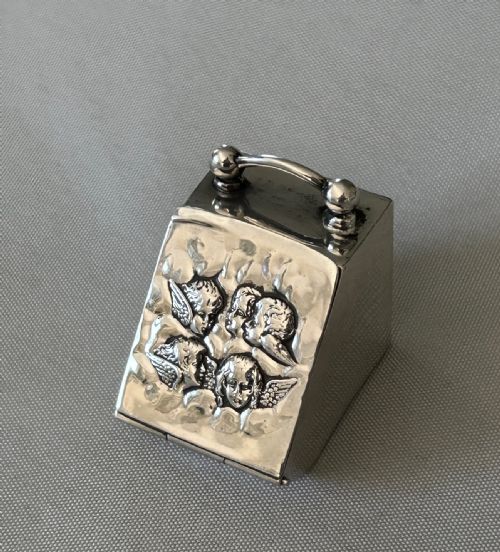
The edwardian silver miniature encompasses everything from tiny tea sets and furniture to novelty animals and timepieces. These small-scale items served as cabinet pieces, desk ornaments or functional pocket accessories during the early twentieth century.
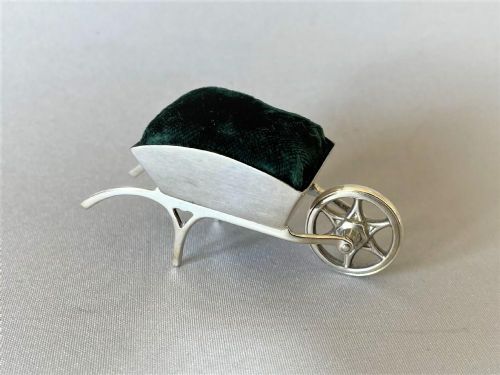
Novelty pin cushions shaped as bears, chicks, pigs and wheelbarrows appear frequently alongside carriage clocks, photo frames and miniature chocolate pots. Makers across Britain and continental Europe produced these delicate decorative objects to satisfy a strong Victorian and Edwardian appetite for diminutive silver curiosities.
Materials and Construction
Silversmiths utilised sterling silver and solid silver, frequently combining the metal with glass, enamel, velvet, leather and agate. Artisans shaped the small forms through casting, embossing, chasing and hammering.
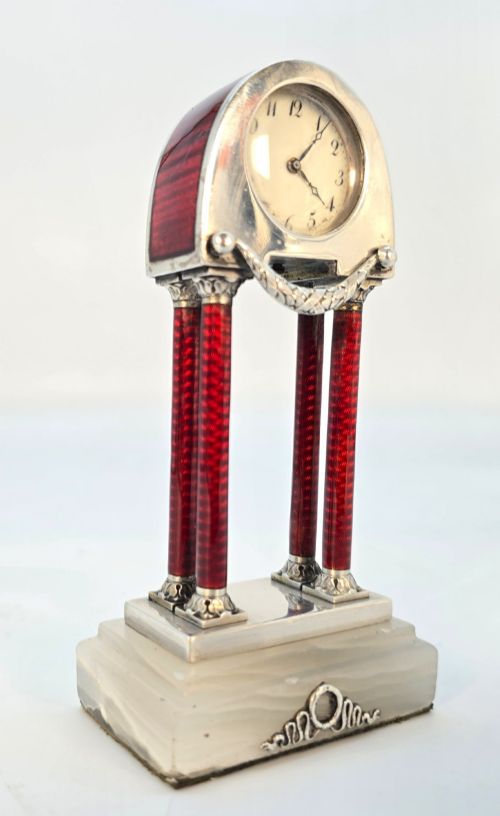
Makers integrated coloured guilloche enamel for clocks and boxes, while fabric and plush velvet provided the pads for miniature pin cushions. Structural details on tiny chairs, clocks and tea services required precise soldering and hand-finishing.
Listings feature items spanning the Victorian era through the 1960s, with a strong concentration of Edwardian sterling silver novelty pieces.
Distinctions in Quality
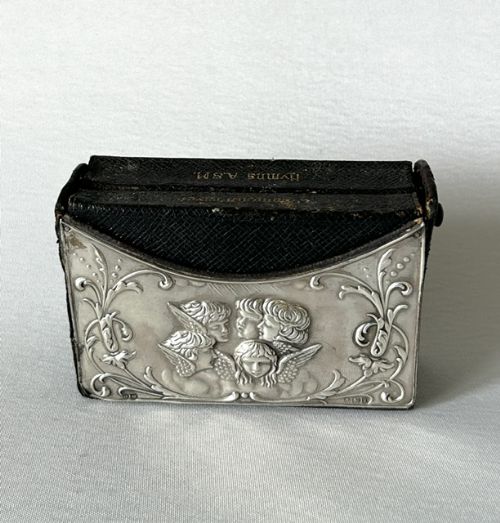
The inclusion of undamaged enamel work, original leather cases and intact internal velvet pads elevates an item above standard production. Superior examples maintain exact proportions rather than relying solely on diminutive scale for effect.
Sampson Mordan & Co·Henry Matthews·Hukin & Heath·Levi & Salaman·Roberts & Belk
The Edwardian Silver Miniature Glossary
- Novelty silver
- Silver items shaped to resemble everyday objects, animals or machinery rather than traditional tableware. These humorous or unexpected designs were immensely popular during the Edwardian period.
- Guilloche enamel
- Decorative metalwork covered with translucent enamel over an engine-turned geometric pattern. This technique created vibrant coloured surfaces on miniature clocks and small boxes.
- Pin cushion
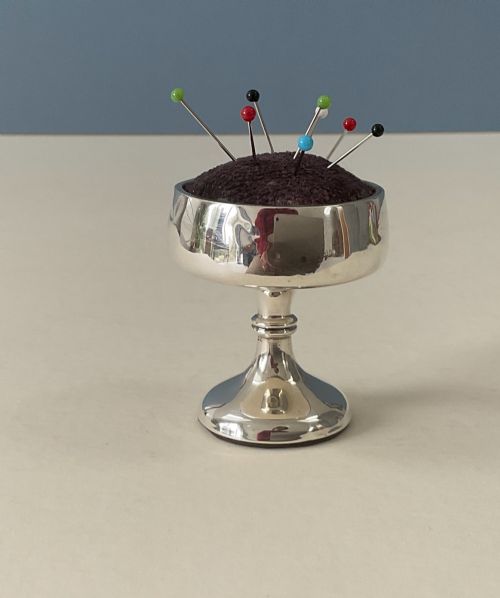
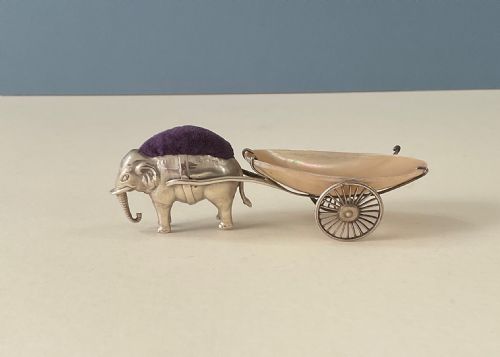
- A stuffed pad designed to hold sewing pins, frequently incorporated into novelty silver figures such as birds, elephants and shoes. The fabric is typically fixed over a weighted interior base.
- Carriage clock
- A small portable spring-driven clock originally designed for travelling by horse-drawn carriage. Miniature versions feature glazed panels and swing handles scaled down for desk display.
- Hallmark
- Official stamps struck into precious metals indicating the standard of purity, the assay office, the maker and the year of production. These marks provide definitive evidence of age and origin.
Edwardian Silver Miniature: Frequently Asked Questions
What were silver miniatures used for?
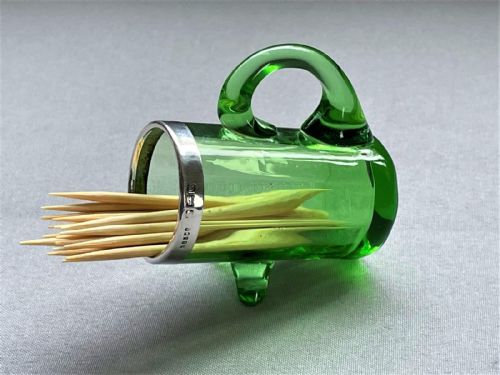
These small pieces served primarily as decorative ornaments for display cabinets, mantelpieces and desks. Many also doubled as functional items such as stamp boxes, toothpick holders, pillboxes and pin cushions.
Wealthy collectors gathered them in groups to create miniature tableaux on furniture surfaces. Their portability also allowed travellers to carry small timepieces and devotional books.
How do I identify an Edwardian piece?
Examine the piece for British hallmarks which record the specific assay office and date letter for the year of manufacture. Edwardian items generally date from the reign of King Edward VII between 1901 and 1910, alongside pieces marked for the surrounding years.
Stylistic cues also help identify the era, including specific Art Nouveau flourishes and naturalistic animal forms associated with provincial and London silversmiths of the decade.
Are all miniatures British made?
Continental workshops produced a significant quantity of these small silver items, particularly in Germany and the Netherlands. Hanau silversmiths created detailed toy and soldier models, while French makers specialised in travel clocks with enamel work.
Import marks on the silver indicate whether an item arrived through British assay offices from overseas makers. This international trade supplied the domestic market with diverse novelty forms.
How should I display my collection?
Glass-fronted cabinets protect delicate items from dust and accidental damage while allowing clear visibility from multiple angles. Keeping pieces away from direct sunlight preserves the vibrant colours of enamel panels and prevents leather casing degradation.
Group displays by theme, such as animal pin cushions or miniature clocks, to highlight the variety of silversmithing techniques used. Soft interior lighting enhances the reflective quality of polished sterling silver surfaces.