




Antique Silver Toy
These miniature works of silver toy offer remarkable craftsmanship on a tiny scale, spanning rattles and detailed models from the Georgian period to the twentieth century.
Antique Silver Toy
The collection stretches across multiple centuries, featuring Georgian warming pans and rattles, Victorian teething accessories, and continental European novelties from the nineteenth and twentieth centuries. These diminutive pieces were created both as functional items for infants and as decorative display objects for collectors.
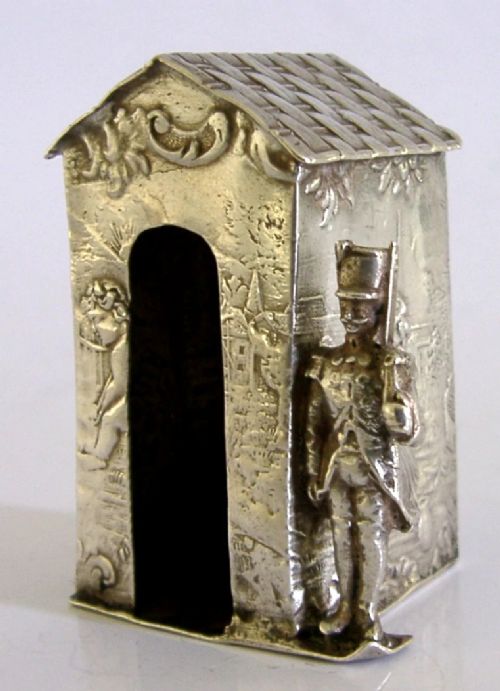
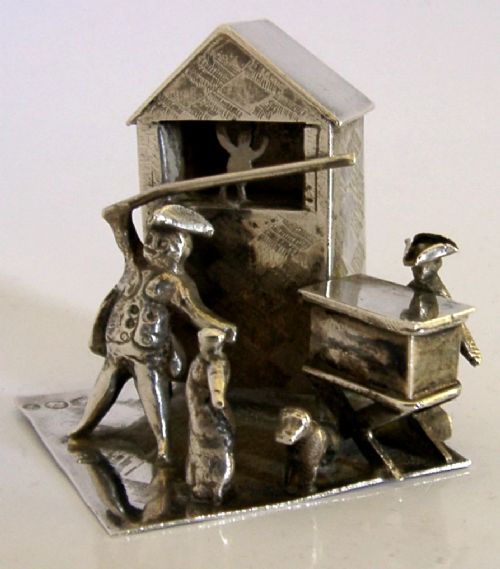
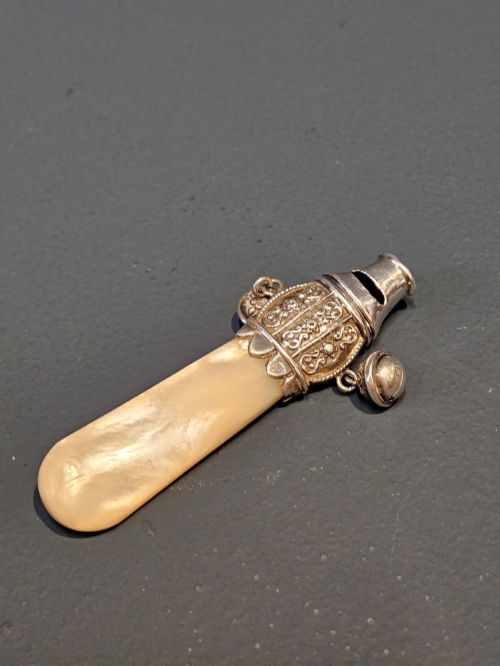
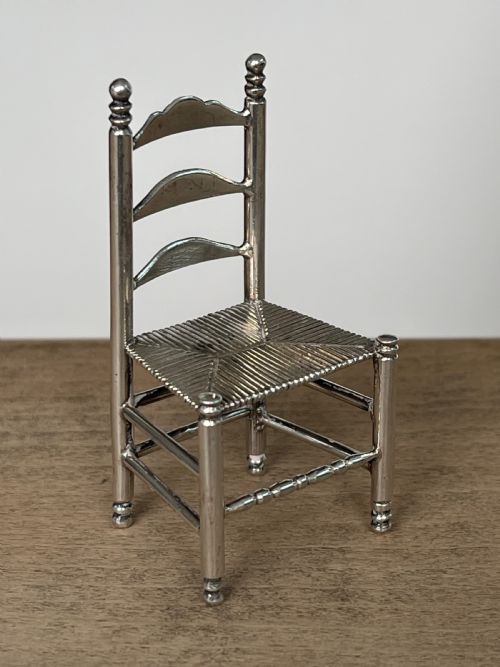
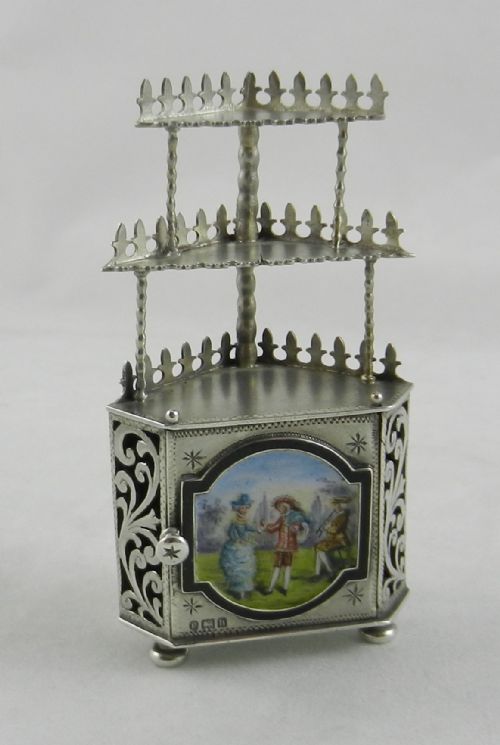
Object forms range from baby rattles fitted with mother of pearl and coral to silver miniatures depicting punch and judy shows, sedan chairs, and soldier guards. Each piece demonstrates how silversmiths applied full-scale techniques to miniature creations.
How they were made
Silversmiths utilised solid silver, sterling silver, and continental standards such as 833 and 835 silver, combining the metal with organic elements like mother of pearl, coral, and wood. Rattles often integrated these contrasting materials to provide tactile surfaces for infants alongside the ringing bells.
Miniatures and models frequently employed casting, chasing, and repoussé techniques, particularly evident in continental pieces originating from Dutch and German workshops. Enamel work also appears on select furniture models and decorative items from the early twentieth century.
Listings feature items spanning the Georgian, Victorian, and Edwardian periods alongside twentieth-century continental pieces.
What varies in quality
The standard of an antique silver toy rests upon the crispness of the detail and the finesse of the chasing, especially in architectural models, figures, and miniature furniture. Pieces displaying sharp relief work and well-preserved components distinguish themselves from simpler or more worn examples.
The integrity of the construction and the survival of original elements, such as coral teethers or mother of pearl handles on rattles, influence the character of the piece. Makers' marks and clear hallmarks also contribute significantly to the standing of individual items within the historical record.
George Unite·Bateman London
The Antique Silver Toy Glossary
- Sterling silver
- A standard alloy consisting of a high proportion of silver combined with other metals to ensure durability. This standard is frequently recorded across British items.
- Repoussé
- A metalworking technique where the smith pushes the metal out from the reverse side to create a raised design on the front. It is commonly observed on continental miniatures.
- Hallmark
- A series of official marks stamped onto silver items to indicate the standard of purity, the maker, and the year of assay. These marks provide essential dating evidence.
- Teether
- The functional portion of a baby rattle, historically formed from materials like mother of pearl or coral, designed for an infant to chew upon.
Antique Silver Toy: Frequently Asked Questions
What is an antique silver toy?
An antique silver toy refers to a small-scale silver object, which includes infant rattles, whistles, doll's house furniture, and detailed models of everyday scenes.
These pieces were produced from the Georgian era through the twentieth century, serving as functional items for children or decorative novelties for cabinets of curiosity.
How do I date a silver rattle?
Dating a silver rattle relies primarily on examining the stamped hallmarks, which indicate the assay office and the specific year of production.
Stylistic indicators, such as the shape of the bells and the choice of accompanying materials like coral or mother of pearl, also offer clues to the period.
What were silver miniatures used for?
Miniatures in silver served various purposes, ranging from display models in doll's houses to decorative table ornaments and conversational novelties.
Continental workshops, particularly in Germany and the Netherlands, specialised in producing elaborate figures and carriages for collectors.