


Antique Baby Rattle
An antique baby rattle brings tactile history into your hand, combining silver bells with natural teething handles used for centuries.
Antique Baby Rattle
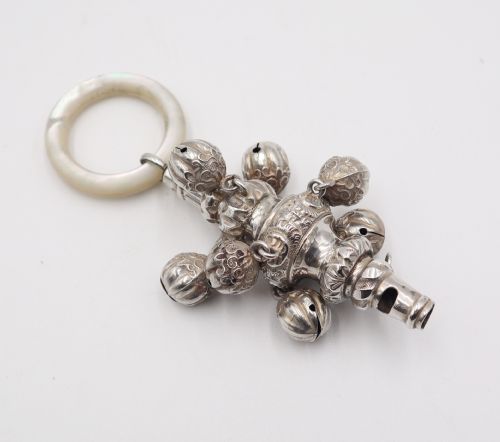
An antique baby rattle serves as both a noisemaker and a comforting object, frequently combining silver bells with organic handles designed for infants to mouth. When you search for an antique baby rattle, you encounter multi-functional pieces that often incorporate whistles or teething implements alongside the noise-making bells.
The most common examples on this page date from the Victorian and Georgian periods, alongside pieces from the Edwardian era and the twentieth century. These objects frequently take the form of figural toys depicting animals, jesters, or characters like bears, cats, and owls.
Makers fashioned these pieces from durable materials meant to withstand handling, pairing precious metals with organic substances. Surviving examples demonstrate how past generations marked infancy with objects designed to amuse and soothe simultaneously.
Materials and construction
Silversmiths constructed the primary body and bells using sterling silver or standard silver, incorporating hollow forms that produced a light, pleasing sound when shaken. These silver components often featured intricate repoussé work and engraving.
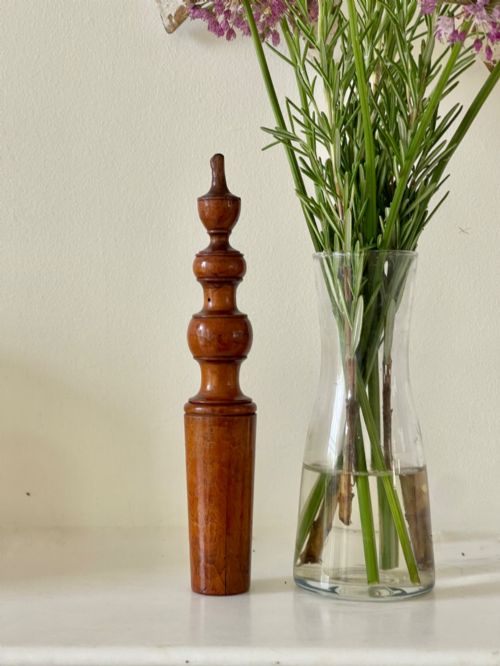
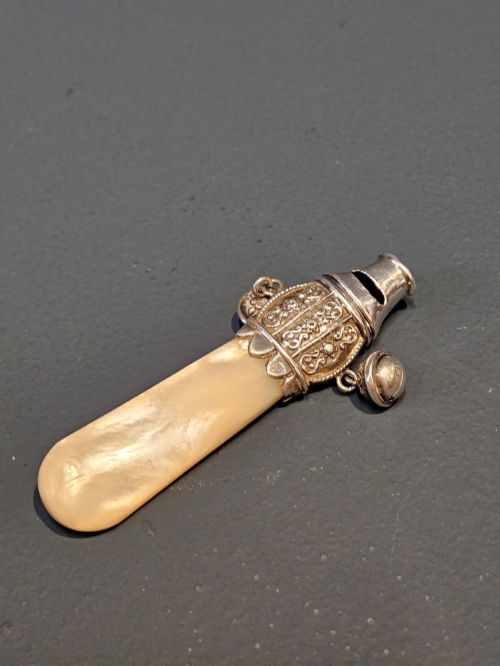
Makers paired the metalwork with contrasting natural materials for the handle or teether, specifically mother-of-pearl, coral, bone, and hardwoods such as fruitwood. These substances provided a hard yet smooth surface suited for a child to hold and bite.
Victorian infants could shake silver jesters, bears, cats, and owls to keep themselves amused.
Assessing quality in early rattles
Quality reveals itself in the complexity of the figural modelling and the crispness of the silversmith's stamp or hallmark. Pieces shaped as specific animals or jesters require superior craftsmanship compared to plain tubular designs.
The integration of multiple functions, such as combining a whistle, bells, and a mother-of-pearl or coral handle, indicates a higher grade of manufacture. The survival rate of delicate elements like coral prongs and mother-of-pearl teethe pieces also dictates the desirability of the object.
George Unite·Joseph Taylor·Bateman London
The Antique Baby Rattle Glossary
- Sterling silver
- A silver alloy containing 925 parts of silver per 1000 parts by weight. This material forms the primary structure of most nineteenth-century examples.
- Mother of pearl
- The iridescent inner layer of mollusk shells used for teething handles. It provides a smooth, cool surface for infants.
- Repoussé
- A metalworking technique where the silversmith hammers the design from the reverse side to form a raised pattern on the front. This method decorates the hollow body of the rattle.
Antique Baby Rattle: Frequently Asked Questions
What materials make up an antique baby rattle?
Makers constructed these pieces primarily from sterling silver combined with organic handles. Common additions include mother-of-pearl, coral, bone, and hardwood.
These varied materials provided infants with different textures for teething while the silver produced the sound.
Did all antique baby rattles include whistles?
Many examples paired the noise-making bells with a built-in whistle at the end of the handle. This combined multiple functions into a single nursery toy.
Not every piece includes a whistle, as some relied solely on hanging bells or served primarily as teethers.
How do I identify a Victorian baby rattle?
Victorian examples often feature hallmarks indicating the assay office and date of manufacture alongside figural designs. They frequently incorporate mother-of-pearl handles and detailed silver bells.
Examining the style of decoration and consulting metal hallmarks helps confirm the nineteenth-century period.
How were these rattles used historically?
Parents gave these objects to infants to soothe teething discomfort and provide amusement through sound. The hard handles offered relief for sore gums.
They functioned as both practical nursery items and valued keepsakes marking early childhood.