

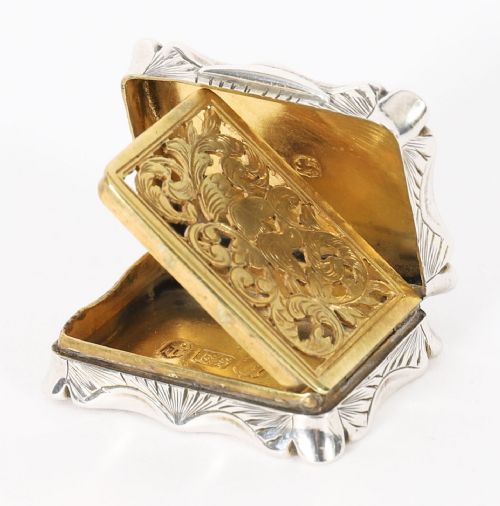


Pierced Silver Trinket Box
A pierced silver trinket box holds dressing table secrets, forged in openwork metal to let perfumed contents breathe.
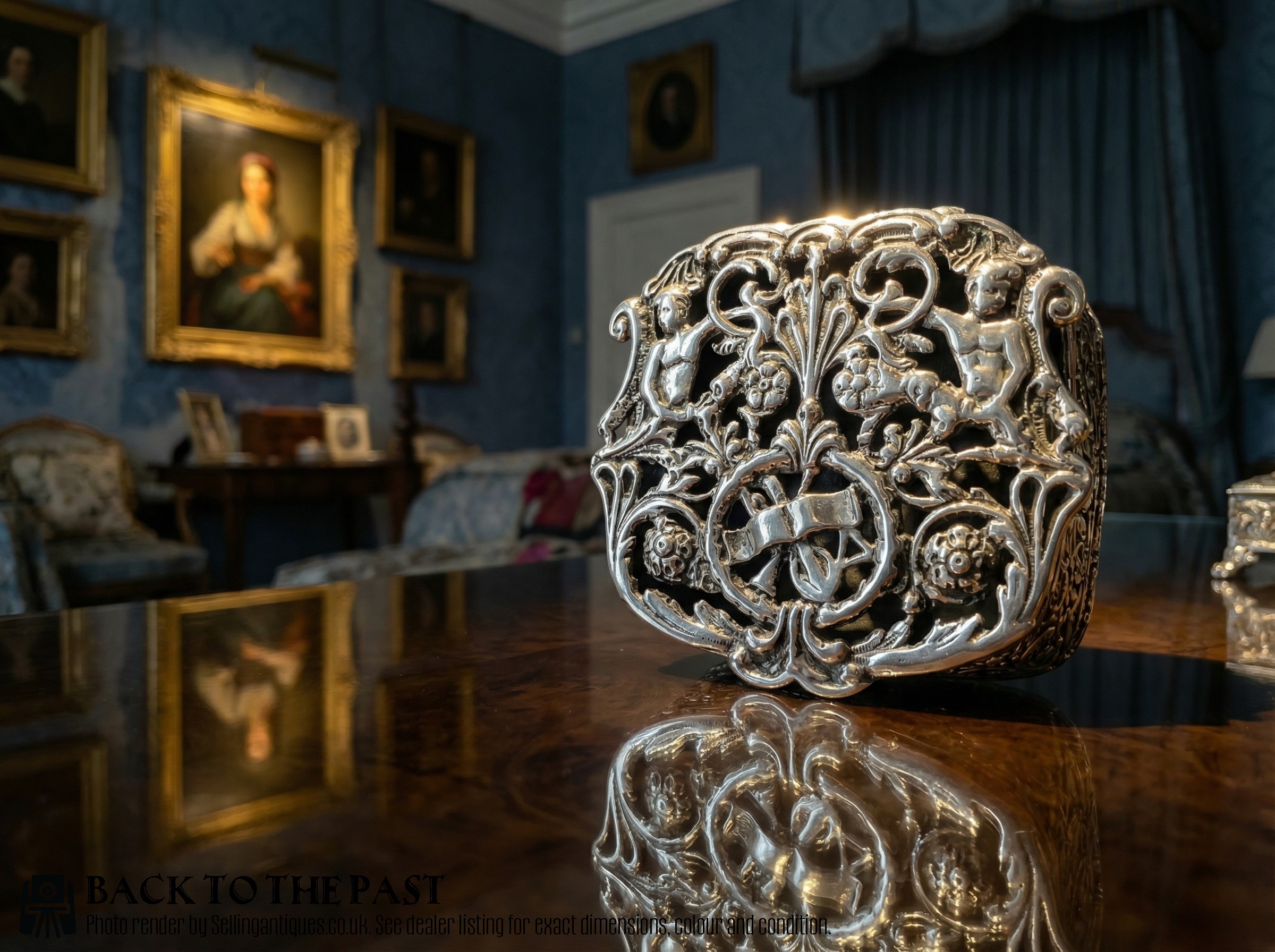
Pierced Silver Trinket Box
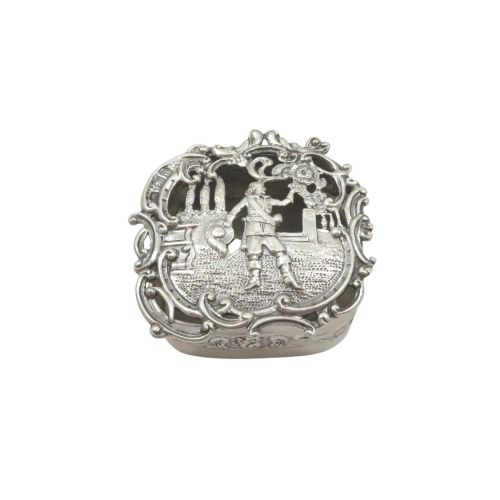
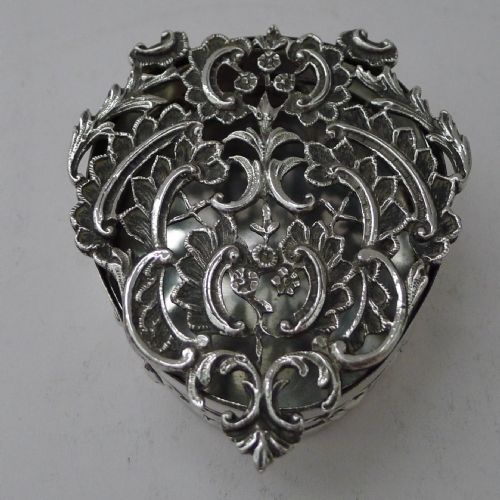
A pierced silver trinket box is a small receptacle designed for dressing tables, created to hold jewellery, pins or pot pourri. The form ranges from simple circular vessels to heart-shaped containers and larger caskets.
Most examples found here date from the Victorian and Edwardian eras, spanning the late nineteenth and early twentieth centuries. Makers utilised openwork piercing techniques to form intricate patterns across the lids and bodies.
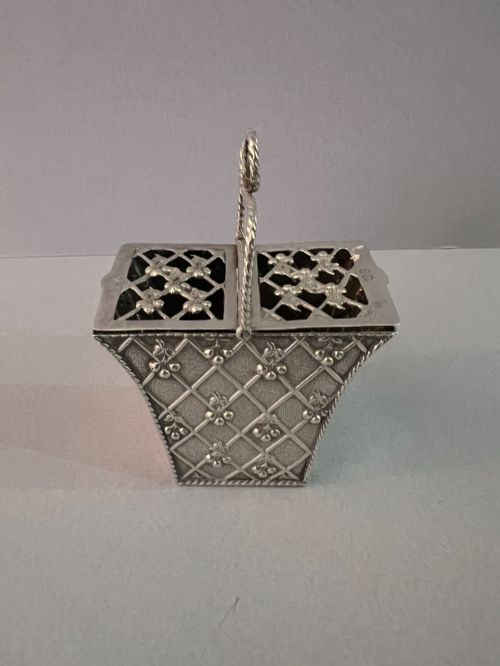
Alongside standard trinket boxes, related items appear including pot pourri bowls, miniature baskets, vinaigrettes and novelty pieces. These objects served similar domestic functions in private boudoirs.
How they were made
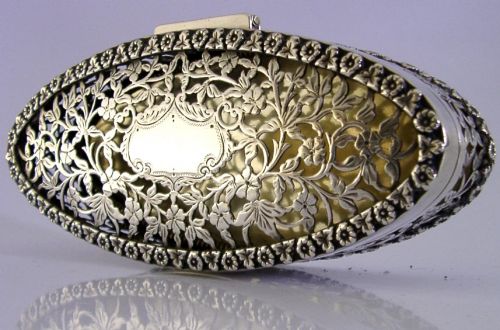
Silversmiths employed sterling silver, sometimes applying interior gilding or silver gilt to protect the metal from corrosion by scented contents. Certain pieces incorporate wooden elements for structural support beneath the silver shell.
The characteristic openwork design requires meticulous piercing by hand or saw, cutting intricate lattice patterns, bird motifs or figurative scenes through the metal plate. Makers then polished the remaining framework and assembled the hinges and feet.
One tiny box takes the surprising form of a miniature warming pan, proving Victorians loved diminutive replicas of household goods.
What varies in quality
Quality rests in the precision of the piercing work and the depth of the metal used for the box body. Finer examples display crisp, hand-cut apertures without distortion to the surrounding framework.
The presence of distinct maker marks, crisp hallmarks and sculptural elements such as chased bird figures or figural scenes elevate the piece. The robustness of the hinges and the secure closure of the lid also distinguish superior specimens.
Walker and Hall·William Comyns·Edward Smith·Wang Hing and Co
The Pierced Silver Trinket Box Glossary
- Piercing
- The technique of cutting openwork designs through sheet metal to create decorative lattices. This process lightens the object while revealing fabric or contents placed within.
- Sterling silver
- An alloy consisting of pure silver and other metals, standardised for British silver production. It provides the primary material for the boxes on this page.
- Pot pourri box
- A specialised container featuring pierced panels designed to release the scent of dried flowers. These vessels often include internal compartments for botanical mixtures.
- Vinaigrette
- A small ornamental box containing a pierced internal grille, used to hold a sponge soaked in aromatic vinegar. Victorians carried these items to counter unpleasant odours.
- Gilding
- The application of a thin layer of gold to the interior surface of a silver box. This treatment prevents the silver from tarnishing when exposed to cosmetics or pot pourri.
Pierced Silver Trinket Box: Frequently Asked Questions
What were pierced silver trinket boxes used for?
These containers held small personal items on dressing tables, including rings, pins, and small keepsakes. Pierced variants specifically allowed the aroma of pot pourri to escape into the room.
Ladies also utilised them to store visiting cards or small cosmetic items within private boudoirs.
How do I identify an Edwardian silver box?
Edwardian boxes typically date from the reign of King Edward VII, spanning the first decade of the twentieth century. They often feature neoclassical or floral motifs executed in sterling silver.
Assay office marks and date letters stamped on the metal provide exact confirmation of the year of manufacture.
Why do some boxes have gilt interiors?
Makers applied a gold wash to the inside of the box to protect the sterling silver from chemical reactions. Substances like pot pourri or cosmetic powders could otherwise tarnish or corrode bare silver.
This layer also added a rich visual contrast when the lid was opened.
How should I clean a pierced silver box?
Cleaning requires a soft brush to remove dust from the intricate pierced openings without bending the delicate metal. Liquid silver polishes should be used sparingly to avoid accumulating residue inside the lattice work.
Gentle wiping preserves both the hallmark stamps and the aged patina of the surface.