




Vintage Silver Fox
These vintage silver fox items bring traditional British sporting art and equestrian silver into the home, prized for their fine animal forms.
Vintage Silver Fox
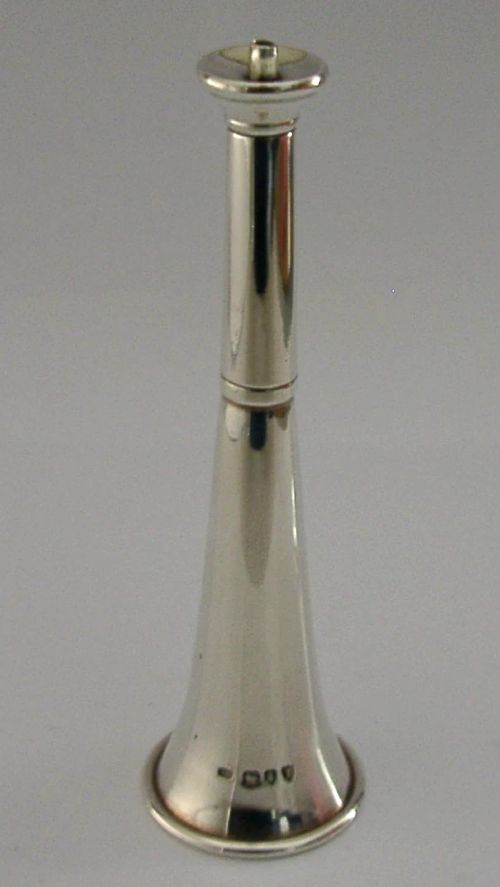
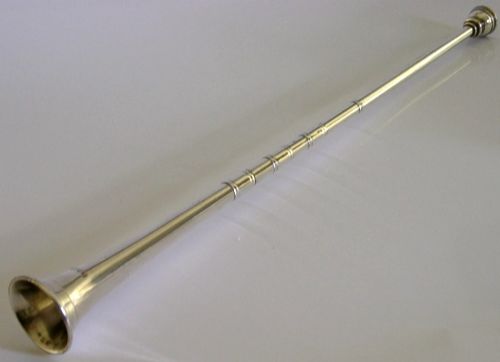
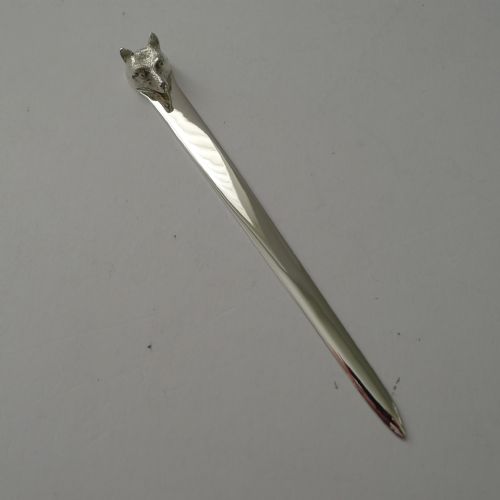
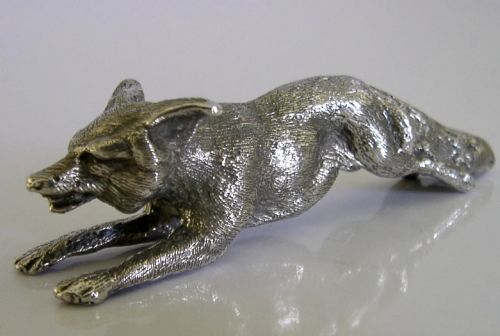
When you search for vintage silver fox, you encounter a varied selection of animal figures, novelty table wares, and equestrian accessories spanning the Victorian, Edwardian, and mid-century periods. The objects range from heavy sterling silver running fox figures and pepperettes to hunting horns, letter openers, and place card holders.
How they were made
The metal objects rely on traditional silversmithing and casting techniques, shaping sterling silver into detailed animal studies, novelty pin cushions, and functional items like table lighters. Hallmarks frequently stamp the origin and date on pieces from Chester and other assay offices.
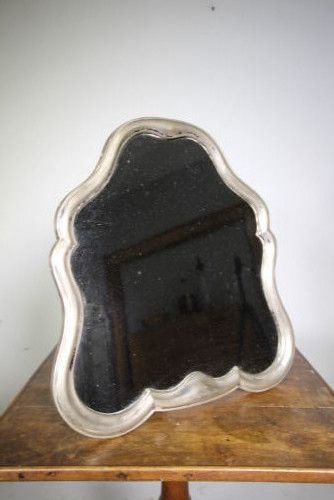
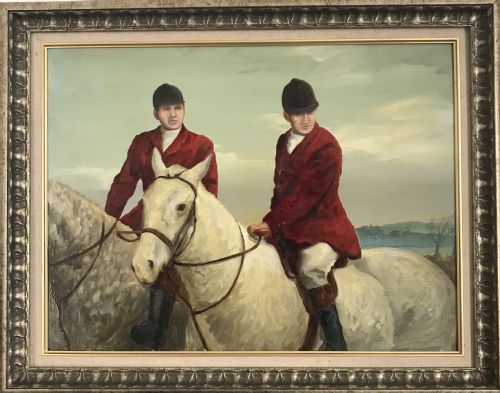
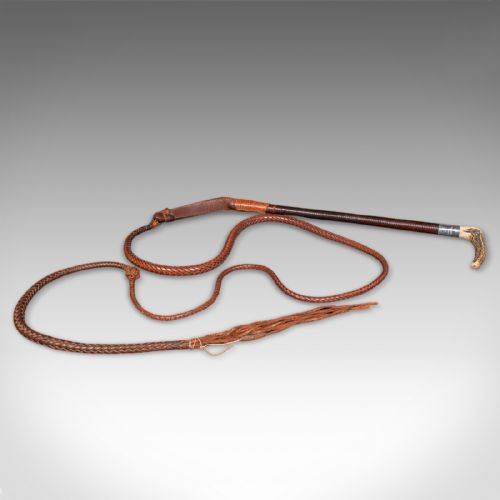
Other materials involve English leather and wood for whips and plinths, while mirrors combine silver leaf and gesso on bevelled glass plates. Oil paintings capture the subject using traditional pigments on canvas.
Listings span from the 19th century through the Victorian, Edwardian, and mid-century periods, utilising sterling silver, glass, leather, and wood.
What varies in quality
The integration of materials also dictates distinction, such as the secure mounting of silver foxes onto black ebony plinths or marble bases, and the preservation of original silver gilt and glass surfaces.
Braham·Sampson Mordan·Asprey·Swaine Adeney
The Vintage Silver Fox Glossary
- Sterling Silver
- An alloy consisting of 92.5 percent silver and 7.5 percent other metals, typically copper. This standard composition provides the durability required for detailed animal figurines and desk accessories.
- Silver Gilt
- Silver that has been coated with a thin layer of gold on its surface. This technique adds a warm golden sheen to antique mirrors and decorative objects.
- Foxed Plate
- A mirror glass displaying spots, discolouration, and degradation caused by the ageing of the silver backing over decades. Collectors value this natural weathering for its atmospheric appearance.
- Pepperette
- A small table condiment container pierced with holes for dispensing ground pepper. These often take the form of novelty animal figures in silver.
- Assay Office
- A body charged with testing the purity of precious metals and stamping items with official hallmarks. Towns like Chester historically operated such offices.
Vintage Silver Fox: Frequently Asked Questions
What is a silver fox figure used for?
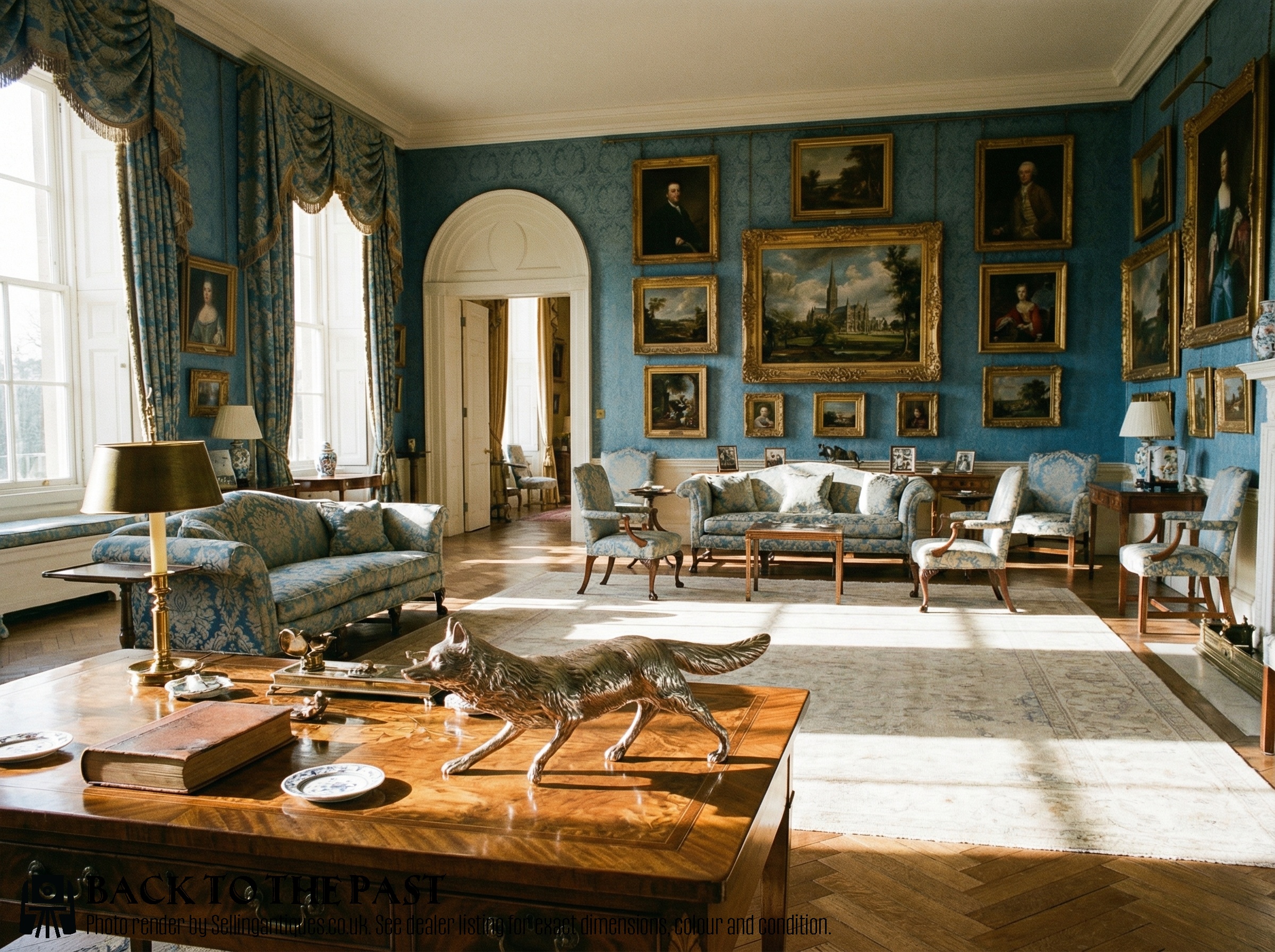
These solid sterling silver animal figures serve as decorative desk ornaments, mantle pieces, or cabinet displays. They reflect traditional British sporting themes and equestrian culture.
Heavier examples also function as paperweights, while smaller versions appear as novelty pin cushions or pepperettes for the dining table.
How do I identify the date of a silver fox?
You look for the set of hallmarks stamped directly onto the silver surface. These typically include a maker mark, a standard mark indicating sterling silver, and a date letter.
Assay office marks also help pinpoint the town and year of manufacture, supported by stylistic cues from the Victorian, Edwardian, or mid-century eras.
How should I care for antique silver?
Gentle dusting with a soft, dry cloth preserves the surface without removing patination. Avoid harsh chemical dips that strip away age and fine detail from chased fur.
Keep pieces away from damp environments to protect any underlying wood, leather, or marble components attached to the silver mounts.