


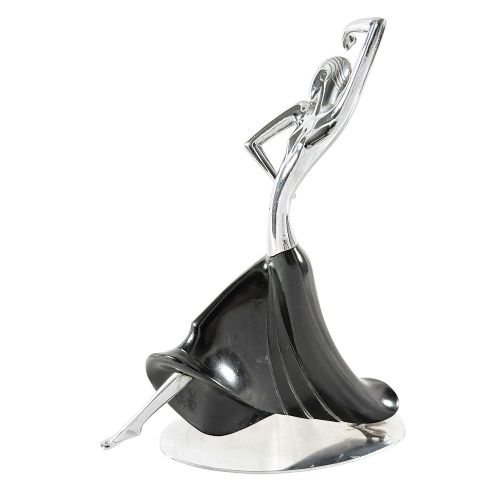

Antique Silver Statue
When you search for antique silver statue, you encounter remarkable figurative works rendered in precious metals, base alloys and mixed media.
Antique Silver Statue
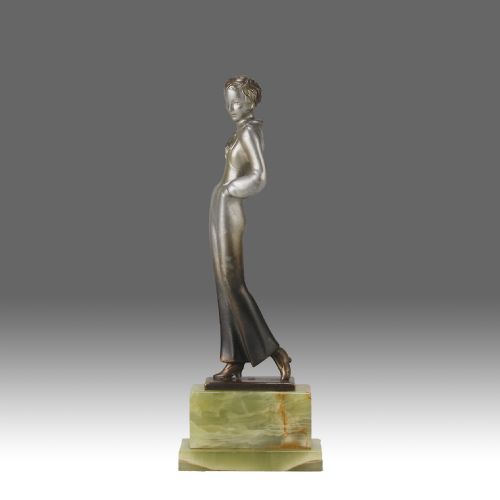
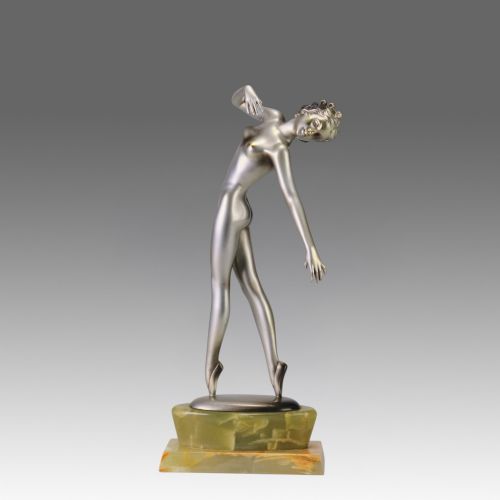
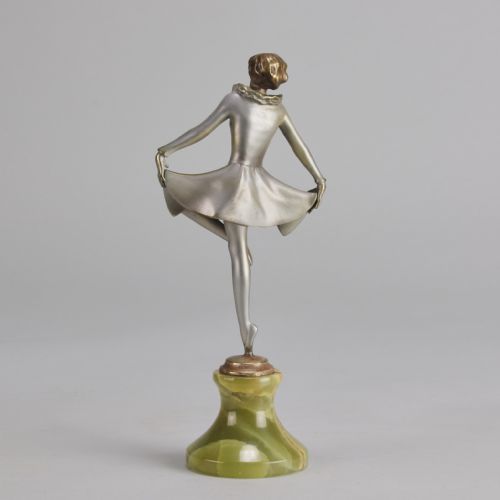
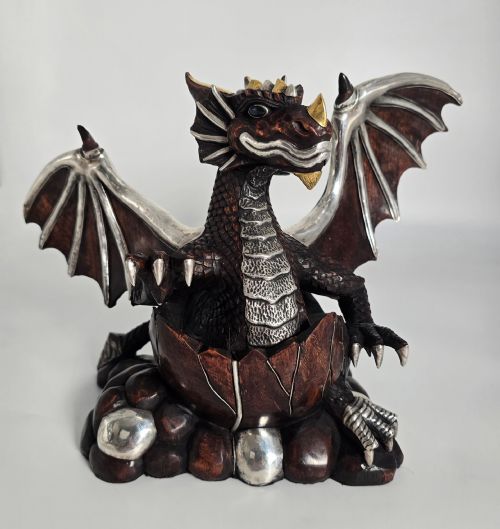
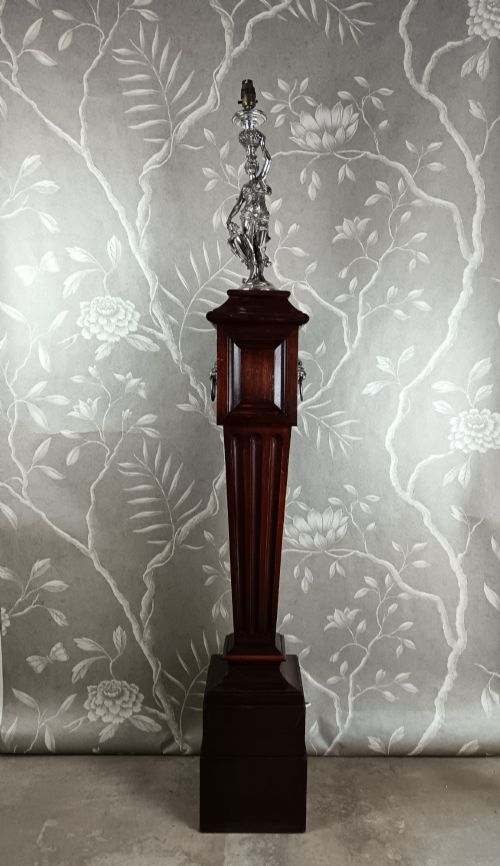
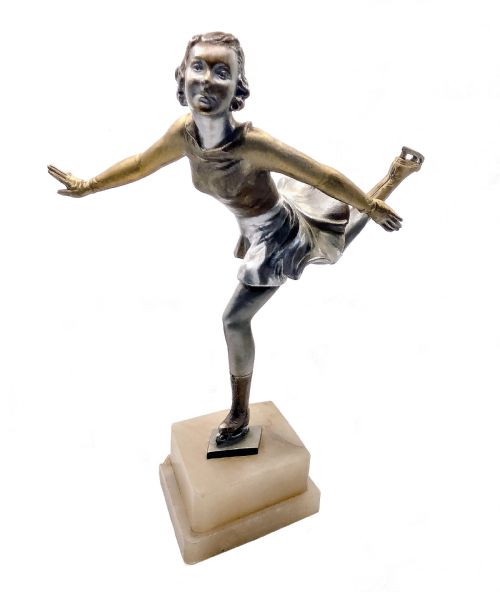
An antique silver statue encompasses figurative sculptures, table ornaments and decorative objects cast or formed in sterling silver, silver plate, silvered bronze and copper alloys. These pieces range from early statues originating in Java to Edwardian animal models and dynamic Art Deco dancers.
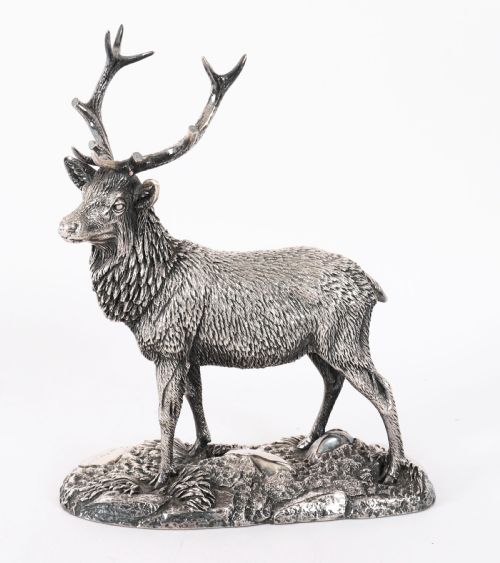
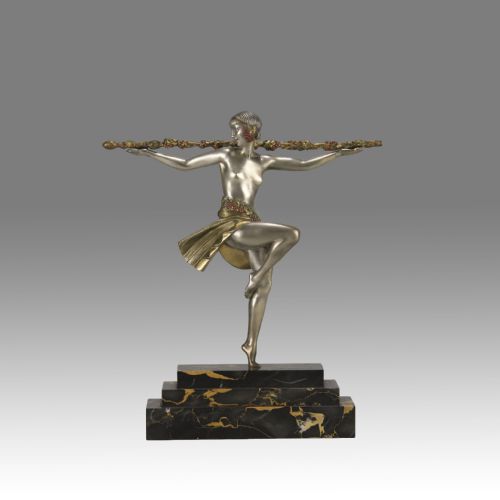
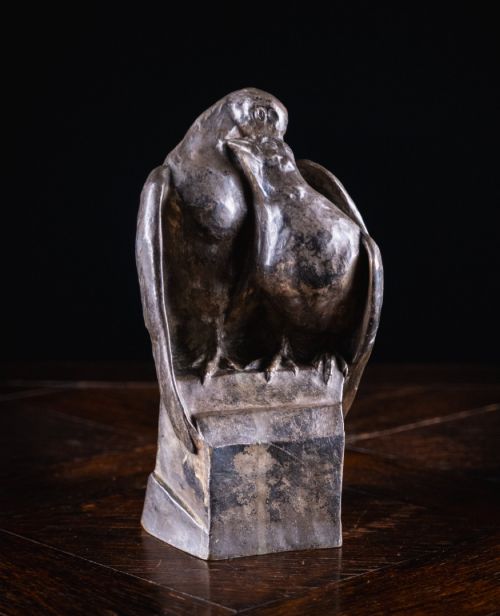
The objects frequently depict animals such as stags, foxes, greyhounds and cockerels, alongside human figures including dancers, historical personages and religious icons. Many items integrate alternative materials like marble, onyx, ivory and wood to complement the metallic primary structure.
On this page, the pieces you meet most often date from the early twentieth century, reflecting the strong production of Art Deco figures alongside Edwardian table silver and Continental European animalier works.
Materials and methods of construction
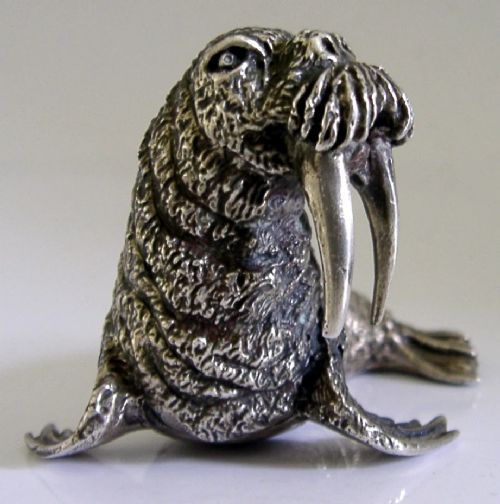
Many figures rely on bronze or spelter as a core structural material, subsequently treated with silver plating or cold-painted finishes to achieve the desired lustrous surface. Solid sterling silver is also utilised for substantial ornaments, trophies and smaller animal figures, often carrying hallmarks indicating London or provincial assay offices.
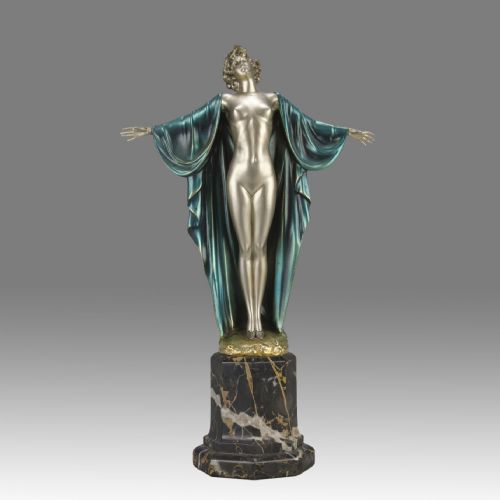
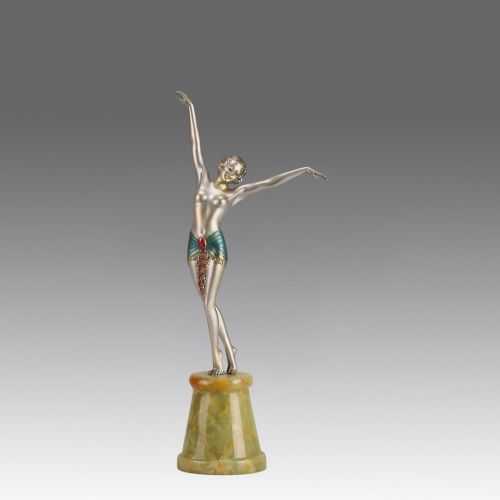
Foundries and studios employed sophisticated casting techniques, sometimes combining copper and silver inlay for ancient pieces or mounting metal figures onto heavy marble and onyx plinths. Cold-painting required meticulous application of polychrome pigments directly onto the metallic surface, particularly favoured by Austrian makers during the early decades of the twentieth century.
Look closely to find mischievous fighting cockerels and racing greyhounds ready to sprint across your mantelpiece.
Distinctions in craftsmanship and design
Quality rests upon the precision of the casting and the fidelity of the chased or hand-finished details, separating mass-produced spelter novelties from masterworks produced in limited editions. Sculptures bearing signatures of recognised artists or specific foundry marks demonstrate superior artistic execution and material integrity.
The preservation of original cold-painted surfaces, silver plating and integrated stone bases heavily influences the standing of a piece. Finer examples maintain crisp anatomical definition in animal subjects and fluid, expressive drapery in human figures without excessive wear or modern intervention.
Tom Mackie·Pierre le Faguays·Ferdinand Preiss·Josef Lorenzl·Frederique Cederlund-Ozanne·Gotthilf Jaeger·Claire Jeanne Roberte Colinet·Demetre Chiparus·Alexandre Kelety·Geo Maxim·Louis Lejeune
The Antique Silver Statue Glossary
- Animalier
- A nineteenth-century artistic movement dedicated to the realistic portrayal of animals, particularly predators, horses and hounds. Works in this style capture creatures in dynamic motion or moments of repose.
- Cold-Painted Bronze
- A technique where bronze sculptures are painted with cold enamel colours rather than fired in a kiln. The method was widely practiced by Viennese foundries in the late nineteenth and early twentieth centuries.
- Spelter
- An alloy of zinc and lead, sometimes mixed with copper, used as a less expensive substitute for bronze. It requires careful plating, such as silvering or bronze-coating, to simulate more precious metals.
- Hallmark
- An official stamp applied by an assay office to indicate the purity of precious metal items. British sterling silver marks typically include a standard mark, a city mark and a date letter.
- Table Ornament
- A decorative miniature or sculptural object designed to sit upon a dining table, desk or mantlepiece. These pieces often take the form of sporting trophies, birds or historical figures.
Antique Silver Statue: Frequently Asked Questions
How do I clean an antique silver statue?
Maintenance requires gentle dusting with a soft, dry brush to protect delicate surfaces and cold-painted finishes. Avoid abrasive polishes that strip thin silver plating or damage patinated bronze.
For solid sterling silver pieces, use a specialised non-abrasive silver cloth applied sparingly. Keep statues away from direct moisture and extreme temperature fluctuations to preserve integrated wooden or ivory elements.
What is the difference between silver and silvered bronze?
Solid silver statues consist entirely of precious metal throughout their structure, often confirmed by official assay hallmarks. These pieces possess intrinsic metal value alongside artistic merit.
Silvered bronze or spelter pieces feature a base metallic core coated with a thin layer of silver or silver-coloured alloy. The technique allowed artists to create large decorative sculptures at a fraction of the weight and cost of solid silver.
How can I date an Art Deco bronze?
Dating relies on stylistic markers typical of the period between the wars, alongside foundry cachets and artist signatures. Clothing styles, hair designs and geometric base materials like marble or onyx offer strong chronological clues.
Many European foundries stamped their editions with production numbers or copyright dates during the 1920s and 1930s. Comparing the casting quality to documented pieces by known artists helps narrow the production window.
Where were cold-painted bronze statues made?
The primary hub for cold-painted bronze production was Vienna, Austria, during the late nineteenth and early twentieth centuries. Numerous workshops and specialised foundries exported these colourful animal and human figures globally.
Artisans also worked in Paris and across various European centres, applying similar polychrome techniques to bronze and spelter figures. These regional variations often show distinct palettes and casting characteristics.