




Silver Animal Pincushion
A silver animal pincushion brings miniature zoology to the dressing table, offering a charming miniature form that collectors hunt for its whimsical detail.
What silver animal pincushions are
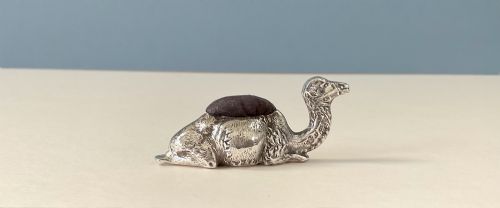
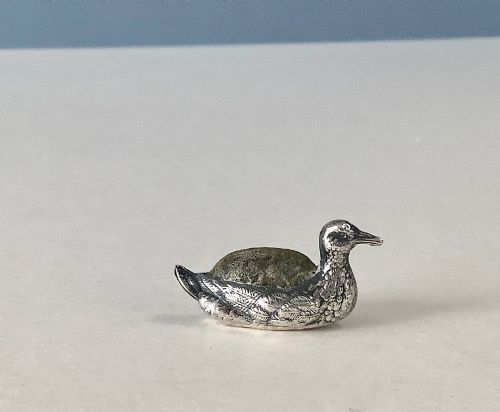
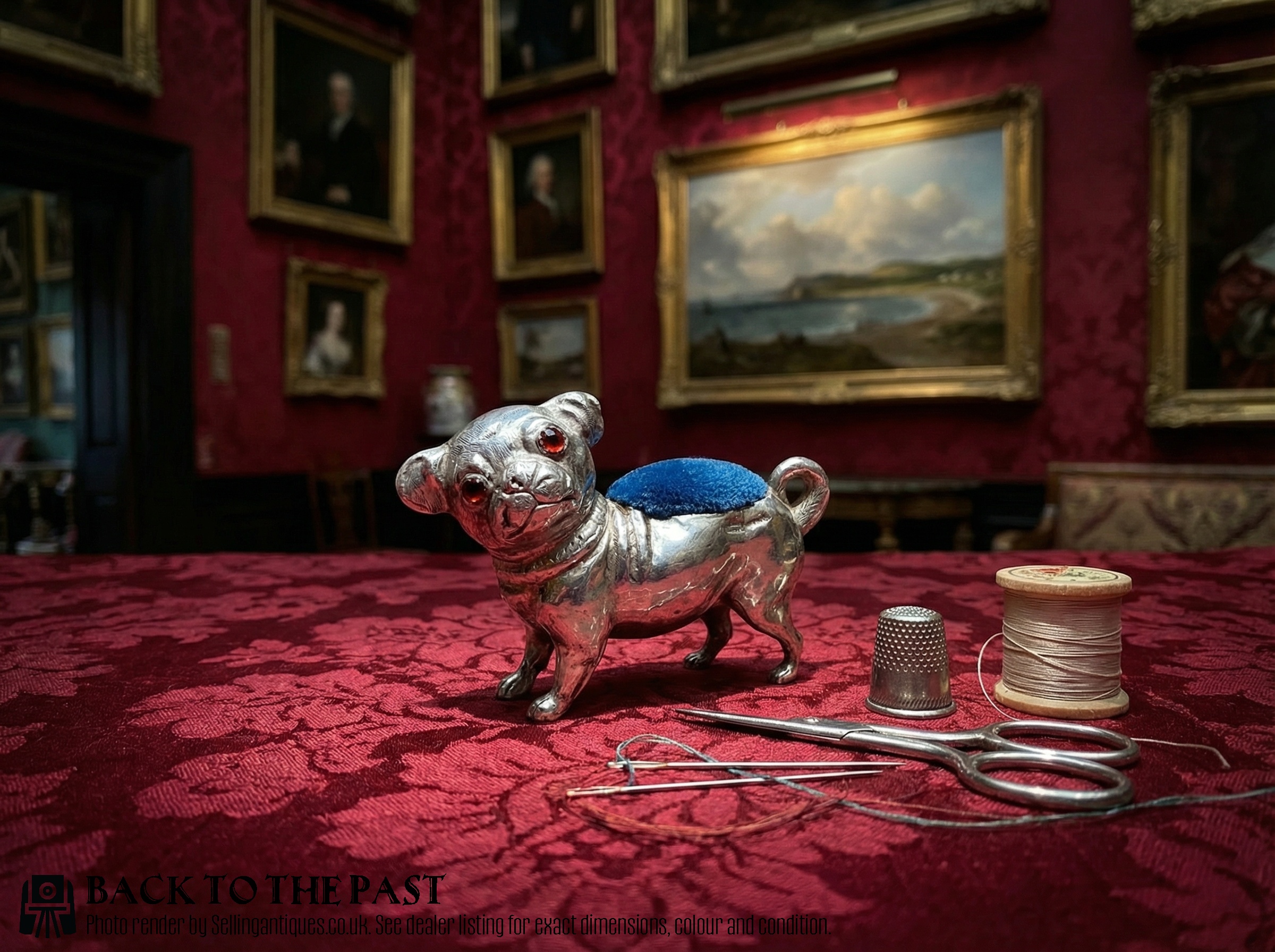
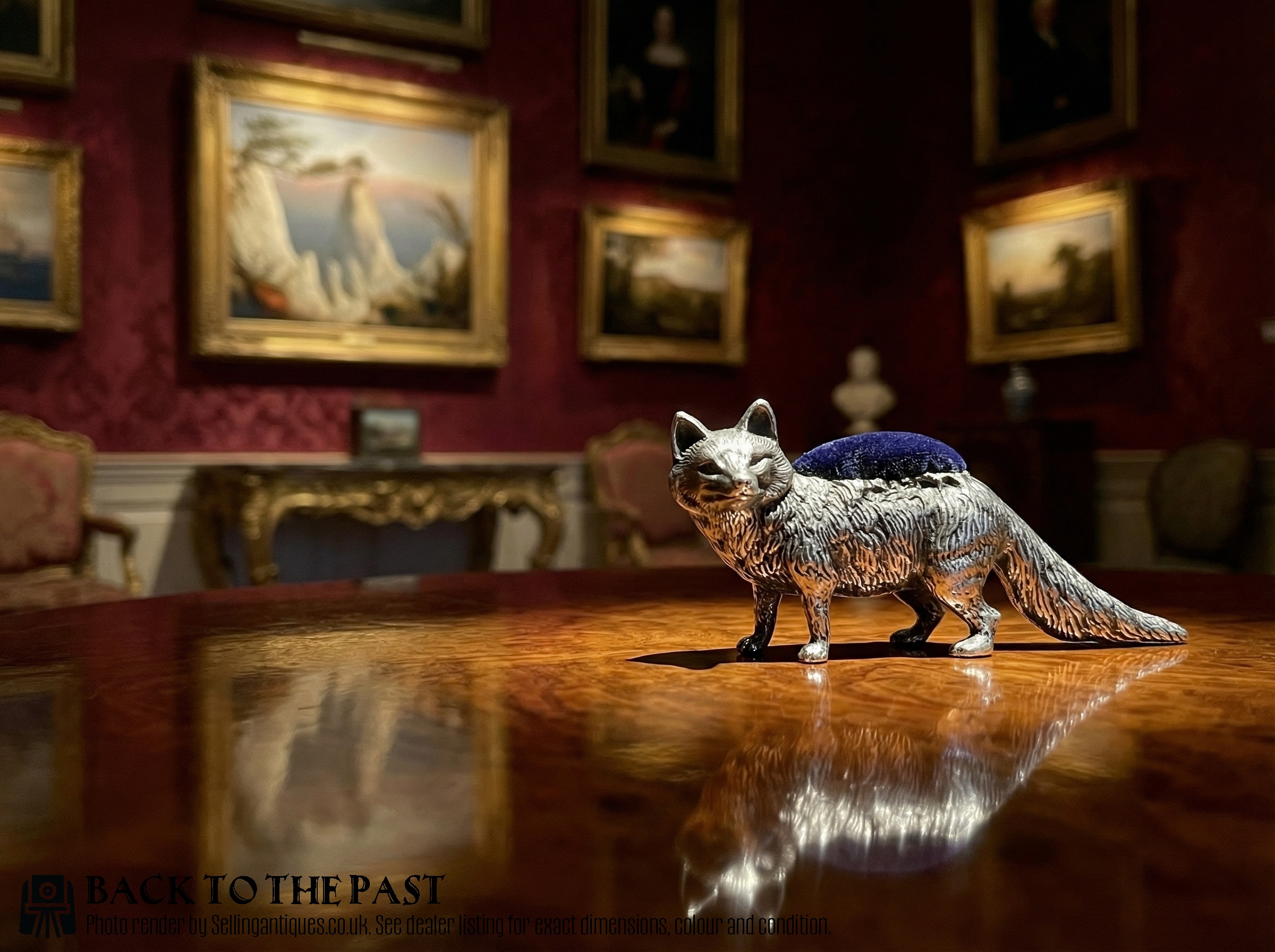
A silver animal pincushion takes the form of a seated camel, a stag, a kangaroo, a mini goat, a recumbent pig, a fox, a miniature duck, or a pug. These miniature novelties capture creature shapes in three dimensions, rendered with character and humour.
Most examples hail from the Edwardian period, alongside pieces dated 1910 and 1920. Makers cast these novelties to sit upon dressing tables and desks as functional ornaments.
The body of the creature forms the silver housing, while a pad of fabric or velvet provides the pinning surface. Collectors encounter these small curiosities fashioned as domestic animals, farm beasts, and wildlife.
How they were made
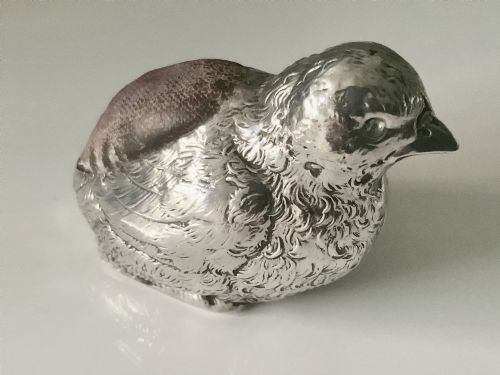
Silversmiths utilised sterling silver and standard silver to cast or stamp the realistic or stylised bodies of beasts. These metal shells were then detailed with engraved fur, feathers, facial expressions, and naturalistic textures.
Makers inserted fabric and velvet into apertures on the silver bodies to serve as the cushion for pins. Some pieces incorporated glass elements to form the eyes of the creature, adding a lifelike glint to the miniature.
Retail Price Guide 2026
Typical UK retail prices for silver animal pincushion, calculated from the Sellingantiques database of over a million retail prices indexed since 2003. This retail price guide relies exclusively on Sellingantiques data; no external sources or auction records are used, so the figures do not describe the wider market.
The listings span the Edwardian period, 1910, and 1920, utilising materials such as sterling silver, velvet, fabric, and glass.
What varies in quality
The degree of anatomical realism and the crispness of the chased or engraved surface texture separate standard novelties from superior work. Finer models capture the distinct posture and expression of each beast, whether a recumbent pig or an alert stag.
The preservation of the original velvet or fabric pad and the snugness of its fit within the silver frame dictate the integrity of the piece. Hallmark clarity and the proportion of the animal shape also influence the desirability of the miniature.
The Silver Animal Pincushion Glossary
- Edwardian
- A period spanning the reign of King Edward VII, noted in these pieces for whimsical novelty silver items.
- Recumbent
- An anatomical posture showing the animal lying down, seen here in the form of the pig.
- Novelty
- An object made in an amusing or unusual shape, such as miniature animal figures designed for the dressing table.
- Sterling silver
- A precious metal alloy containing a high proportion of pure silver, used for the bodies of these pincushions.
Frequently Asked Questions
How were they used?
Owners placed them on dressing tables, writing desks, or sewing stations to keep pins close to hand during daily grooming or tailoring.
The velvet or fabric insert protected the sharp points of the pins while displaying them neatly within the silver animal's back.
How do I date these pieces?
Dating relies on hallmarks stamped into the silver, alongside stylistic indicators typical of the Edwardian period and the early decades of the twentieth century.
Specific years like 1910 and 1920 appear in the documentation of individual items, pointing to the height of novelty silver production.
What animals are represented?
The available forms include wild creatures and domestic beasts, ranging from stags, kangaroos, foxes, and ducks to goats, pigs, camels, and pugs.
Each creature is modelled in a characteristic pose, such as the recumbent posture of the pig or the alert stance of the stag.