





Collectable Silver Pincushion
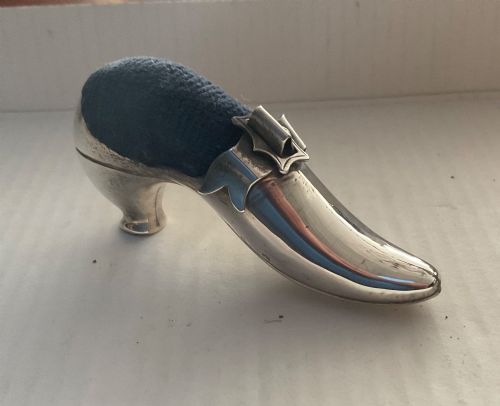
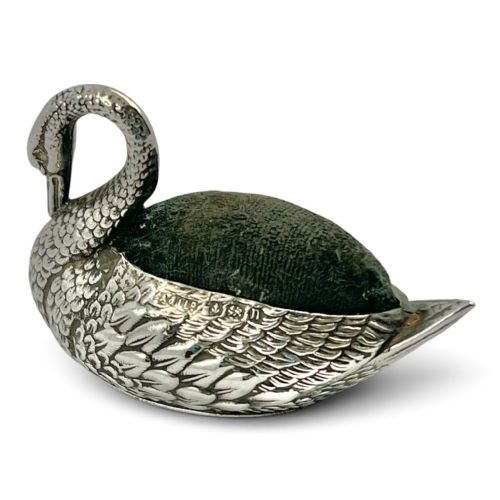
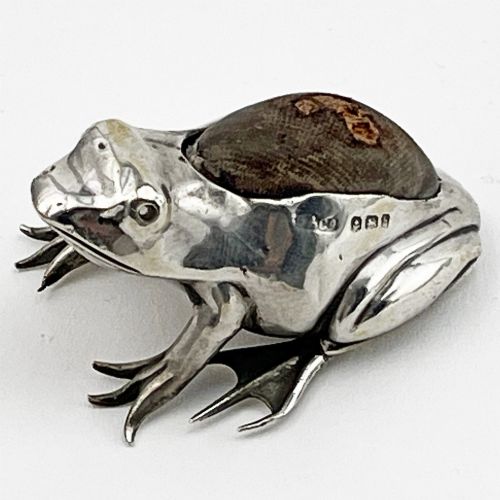
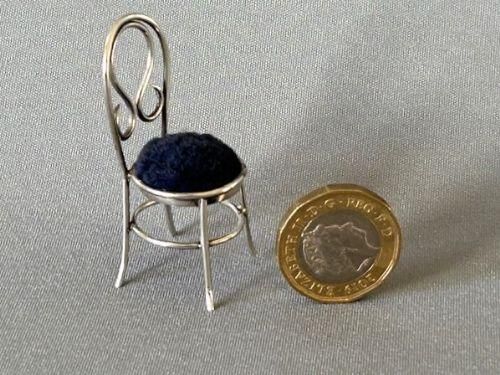
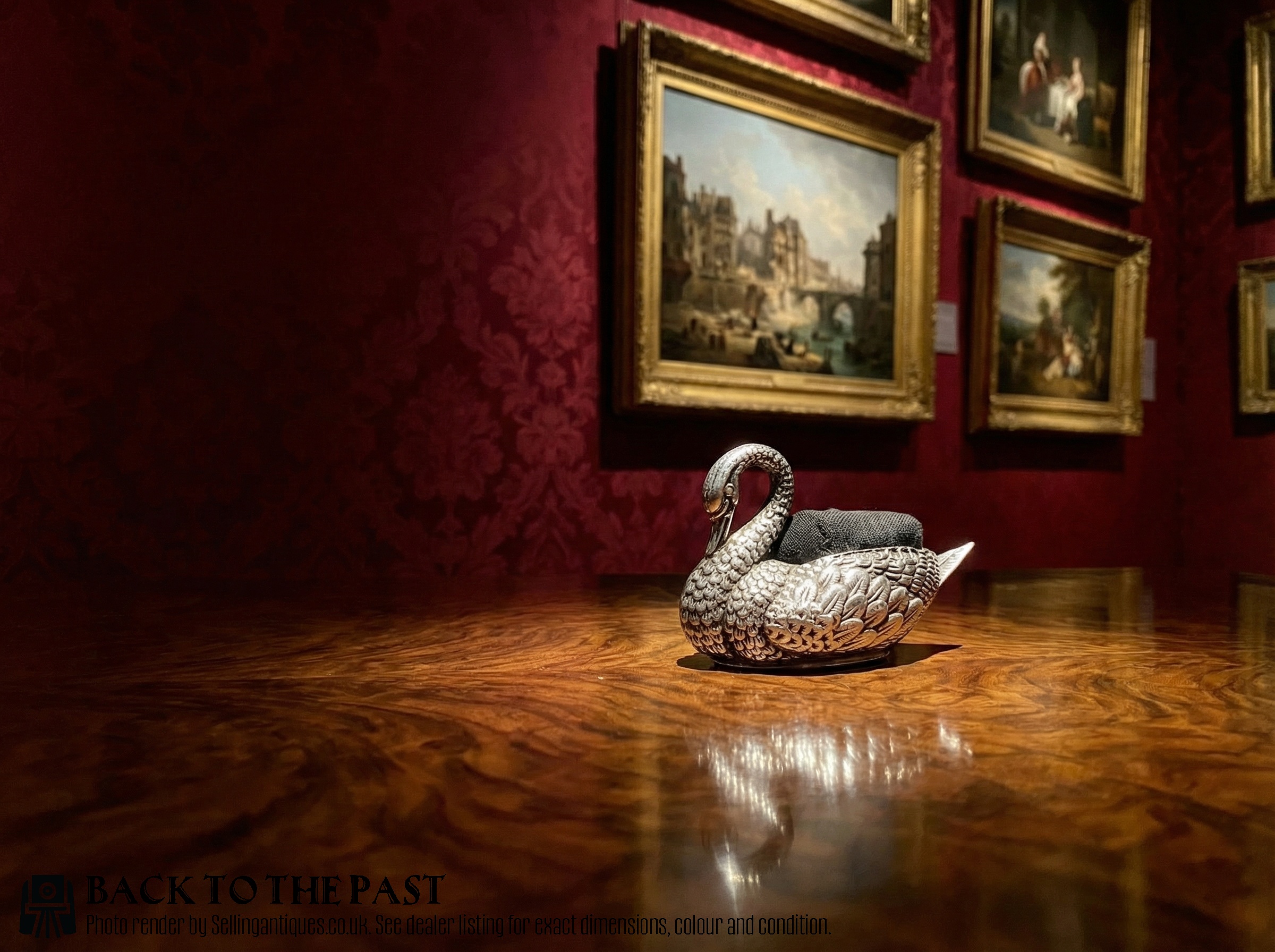
These collectable silver pincushion pieces are Edwardian novelty silver items that hold pins with velvet and fabric inserts.
What They Are
These pieces date from the Edwardian period and the year 1920, reflecting Victorian novelty design traditions carried into the twentieth century. Each object combines functional pin storage with whimsical silver modeling.
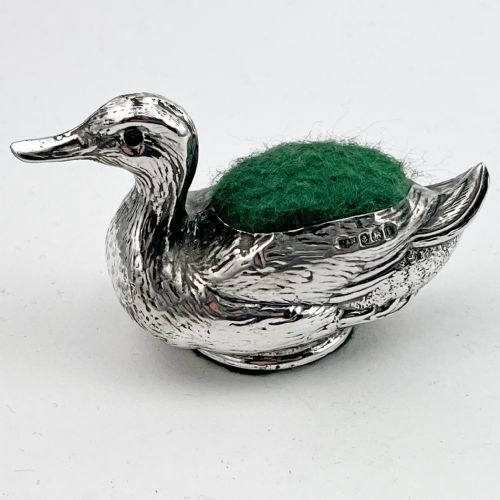
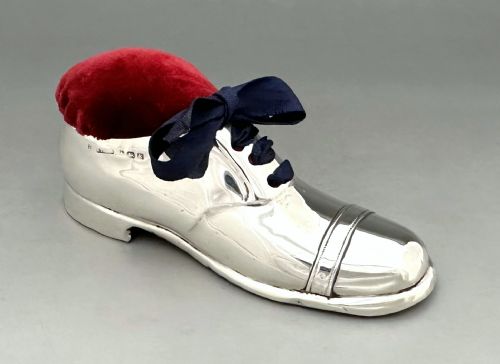
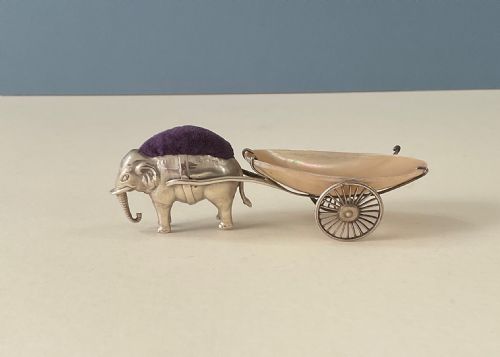
The primary forms mirror domestic animals, wildlife, and transport vessels rendered in miniature. Buyers searching this phrase meet compact desk or dressing table accessories that served both practical and decorative roles in period interiors.

How They Were Made
Silversmiths constructed these novelty items using silver and sterling silver, shaping the metal into realistic animal and object silhouettes. The external structure forms a rigid metal shell designed to hold an internal insert.
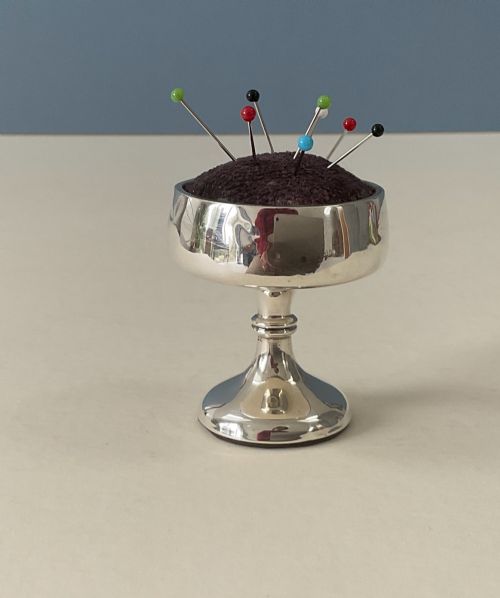
The functional part of the object consists of velvet or fabric fitted snugly into the silver body to secure pins safely. Makers combined metalworking techniques with soft textile upholstery to finish each piece.
Retail Price Guide 2026
Typical UK retail prices for collectable silver pincushion, calculated from the Sellingantiques database of over a million retail prices indexed since 2003. This retail price guide relies exclusively on Sellingantiques data; no external sources or auction records are used, so the figures do not describe the wider market.
Current listings span the Edwardian period and 1920, utilising silver, sterling silver, velvet, and fabric in novelty forms.
What Varies in Quality
The standard of modeling distinguishes the more successful novelty pieces from simpler examples, particularly in how naturalistically the creature or object is rendered in silver. Artisans who achieved greater anatomical detail or convincing textural representation produced superior items.
The integration of the velvet or fabric insert with the silver mount affects the overall cohesion of the piece. Well-fitted textile elements that complement the silver housing demonstrate careful craftsmanship during the Edwardian period.
The Collectable Silver Pincushion Glossary
- Edwardian
- Pertaining to the reign of King Edward VII, spanning from 1901 to 1910. Pieces from this era often lighter and more whimsical than heavy Victorian predecessors.
- Novelty silver
- Silver items shaped to resemble animals, figures, or everyday objects rather than traditional tableware. These functional desk and dressing table accessories delighted contemporary buyers with their wit.
- Sterling silver
- A silver alloy containing 92.5 percent silver by mass and 7.5 percent other metals, usually copper. This standard composition provided the necessary durability for detailed miniature animal figures.
- Recumbent
- Lying down or resting, used specifically to describe the posture of the pig pin cushion. This pose allowed the silver body to sit flat on a surface while supporting the fabric insert.
Frequently Asked Questions
How do I date these items?
Dating relies on stylistic markers from the Edwardian period and the early twentieth century. Novelty silver items from this era often combine realistic animal modeling with functional textile inserts.
Examining the manufacturing style and silver standards helps place these pieces between the Edwardian era and 1920. Each object reflects the prevailing taste for whimsical silver desk accessories.
How were they used?
These items were kept on dressing tables or writing desks to hold sewing pins close at hand. The fabric or velvet insert allowed users to push pins securely into the piece without blunting the points.
In period interiors, they functioned as small decorative ornaments as well as practical sewing tools. Their novelty shapes added a touch of amusement to daily domestic tasks.
What materials are used?
The exterior shells are made from silver and sterling silver, shaped into specific novelty silhouettes. Inside these metal mounts, makers fitted fabric or velvet to receive the pins.
The combination of polished metal and soft textile creates the characteristic contrast seen in these miniature animal and transport figures.